


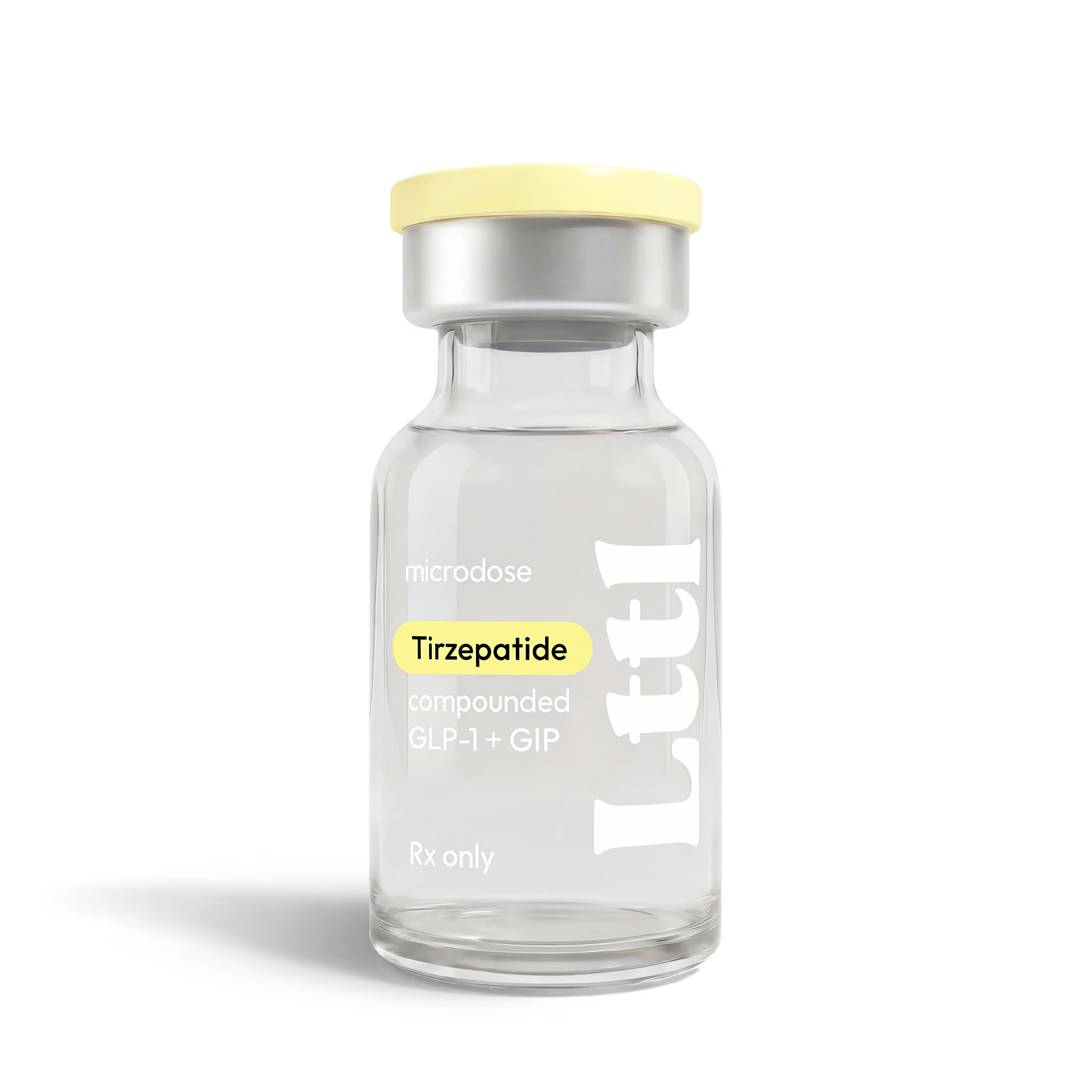
Wegovy and Zepbound are FDA-approved medications for chronic weight management in the United States, but they contain different active ingredients and have distinct pharmacologic mechanisms. Wegovy contains semaglutide, a GLP-1 receptor agonist, while Zepbound contains tirzepatide, a dual GIP and GLP-1 receptor agonist. Both are available as once-weekly injections, while Wegovy is also available in an oral formulation.
Here's a breakdown.
Wegovy vs. Zepbound: Quick Comparison
| Wegovy | Zepbound | |
|---|---|---|
| Active ingredient | Semaglutide | Tirzepatide |
| Manufacturer | Novo Nordisk | Eli Lilly |
| Mechanism | GLP-1 receptor agonist | Dual GLP-1 and GIP receptor agonist |
| FDA-approved indication(s) | Chronic weight management in adults and adolescents 12+ with obesity or overweight with comorbidity; cardiovascular risk reduction in adults with obesity/overweight and established CV disease; noncirrhotic MASH with moderate to advanced liver fibrosis | Chronic weight management in adults with obesity or overweight with a weight-related comorbidity; moderate to severe obstructive sleep apnea in adults with obesity |
| Dosing frequency | Once weekly injection; also available as daily oral tablet (25 mg) | Once weekly injection |
| Maintenance dose range | 1.7 mg or 2.4 mg weekly injection; up to 7.2 mg (HD formulation); 25 mg daily tablet | 5 mg, 10 mg, or 15 mg weekly |
| Typical titration duration | ~16 weeks to reach 2.4 mg | ~20 weeks to reach 15 mg |
| Common side effects | Nausea, diarrhea, vomiting, constipation, abdominal pain | Nausea, diarrhea, vomiting, constipation, abdominal pain |
| Boxed warning | Thyroid C-cell tumor risk (animal studies; human relevance unknown) | Thyroid C-cell tumor risk (animal studies; human relevance unknown) |
| Key evidence | STEP trials (weight management); SELECT (CV outcomes) | SURMOUNT trials (weight management); SURMOUNT-OSA (sleep apnea) |
| Access | Prescription required; covered by some insurance plans | Prescription required; covered by some insurance plans |
What Is Wegovy?
Wegovy is a brand name, not an active ingredient. The active ingredient is semaglutide, a GLP-1 receptor agonist originally developed for type 2 diabetes (as Ozempic) and later studied and approved at higher doses for chronic weight management.
Wegovy has several FDA-approved indications. Wegovy injection is indicated for long-term weight reduction in adults and adolescents aged 12 years and older with obesity and in adults with overweight and at least one weight-related comorbid condition. It is also indicated to reduce the risk of major adverse cardiovascular events in adults with established cardiovascular disease and obesity or overweight, and for treatment of noncirrhotic metabolic dysfunction-associated steatohepatitis (MASH) with moderate to advanced liver fibrosis in adults. The MASH indication received accelerated approval and continued approval may depend on confirmation of clinical benefit.
Wegovy is available as a once-weekly subcutaneous injection in doses from 0.25 mg through 2.4 mg, a higher-dose 7.2 mg HD injection, and a 25 mg once-daily oral tablet. It is not approved for type 2 diabetes.
What Is Zepbound?
Zepbound is also a brand name. Its active ingredient is tirzepatide, a dual GLP-1 and GIP receptor agonist that works through two hormonal pathways simultaneously, distinguishing it mechanistically from every other approved weight management medication, including Wegovy.
Zepbound is approved for chronic weight management in adults with a BMI of 30 or higher, or 27 or higher with at least one weight-related comorbid condition, alongside a reduced-calorie diet and increased physical activity. It holds a second approved indication for moderate to severe obstructive sleep apnea in adults with obesity: an indication Wegovy does not share. It is not approved for type 2 diabetes.
Zepbound is available as a once-weekly subcutaneous injection in doses from 2.5 mg through 15 mg, in multiple delivery formats including single-dose pen, single-dose vial, multi-dose vial, and KwikPen. Unlike Wegovy, it does not currently have an approved oral formulation or a cardiovascular outcomes indication.
How Do Wegovy and Zepbound Work?
As you'll see below, the mechanisms of these two GLP-1 medications do have some overlap, but also some truly meaningful differences.
Where they overlap:
Both activate GLP-1 receptors in the brain, stomach, and pancreas, producing appetite suppression, slowed gastric emptying, and glucose-dependent insulin release
Both reduce food noise, the persistent mental preoccupation with eating that many patients describe as their biggest obstacle to weight management
Both slow gastric emptying, which extends fullness and can affect the absorption of other oral medications
Both carry the same thyroid C-cell tumor boxed warning and share a contraindication for patients with a personal or family history of MTC or MEN2
Where they meaningfully differ:
Zepbound activates GIP receptors in addition to GLP-1 receptors. GIP (glucose-dependent insulinotropic polypeptide) is involved in energy regulation, insulin release, and fat metabolism. The dual mechanism appears to produce stronger appetite suppression in many patients and greater average weight loss in clinical trials
Wegovy activates GLP-1 receptors only. It has a longer published clinical history and more long-term safety data than tirzepatide
Wegovy's oral tablet formulation offers a delivery option that Zepbound doesn't, which is relevant for patients who prefer not to inject
Wegovy has an FDA-approved cardiovascular outcomes indication supported by the SELECT trial; Zepbound does not currently carry this indication
Zepbound has an FDA-approved indication for moderate to severe obstructive sleep apnea in adults with obesity, while Wegovy does not
How Do Weight Loss Results Compare?
Wegovy and Zepbound have now been directly compared in the SURMOUNT-5 trial. In this 72-week randomized phase 3b trial involving adults with obesity without type 2 diabetes, tirzepatide produced a greater mean reduction in body weight than semaglutide when each medication was administered at its maximum tolerated dose. Mean weight change was approximately -20.2% with tirzepatide compared with -13.7% with semaglutide. These findings apply to the population, doses, and conditions studied and do not predict how every individual patient will respond.
| Trial | Drug/Dose | Population | Duration | Average Weight Loss |
|---|---|---|---|---|
| STEP 1 | Wegovy 2.4 mg weekly | Adults with obesity or overweight, no diabetes | 68 weeks | ~15% body weight |
| STEP 2 | Wegovy 2.4 mg weekly | Adults with obesity/overweight and type 2 diabetes | 68 weeks | ~9.6% body weight |
| SELECT | Wegovy 2.4 mg weekly | Adults with obesity/overweight and established CV disease | ~40 months | ~9.4% body weight |
| SURMOUNT-1 | Zepbound 15 mg weekly | Adults with obesity or overweight, no diabetes | 72 weeks | ~22.5% body weight |
| SURMOUNT-2 | Zepbound 15 mg weekly | Adults with obesity/overweight and type 2 diabetes | 72 weeks | ~15.7% body weight |
| SURMOUNT-OSA | Zepbound 10-15 mg weekly | Adults with obesity and moderate-to-severe OSA | 52 weeks | ~18-20% body weight |
Earlier separate trial programs reported substantial average weight reduction with both medications. More importantly, the subsequent head-to-head SURMOUNT-5 trial directly compared tirzepatide vs semaglutide in adults with obesity without type 2 diabetes and found significantly greater mean weight reduction with tirzepatide at 72 weeks. The difference should not be attributed solely to tirzepatide's dual mechanism, and individual response and tolerability remain important when selecting treatment. What the data does clearly support is that both medications produce clinically meaningful weight loss, and that individual results vary considerably around those averages for both.
Side Effects and Safety Differences
Both medications commonly cause gastrointestinal adverse effects, including nausea, diarrhea, vomiting, constipation, abdominal discomfort, and dyspepsia. Both also delay gastric emptying, which may contribute to gastrointestinal symptoms and can affect the absorption of some oral medications. Their major safety warnings overlap substantially, although adverse-event rates and specific precautions differ between products.
| Wegovy | Zepbound | |
|---|---|---|
| Most common GI effects | Nausea (~44%), diarrhea (~30%), vomiting (~24%), constipation (~24%) | Nausea (~25-29%), diarrhea (~19-23%), constipation (~11-17%), vomiting (~8-13%) |
| Severe GI reactions | Severe GI reactions reported; not recommended in severe gastroparesis | Same warning |
| Thyroid C-cell tumor warning | Boxed warning; contraindicated in MTC/MEN2 history | Same boxed warning |
| Pancreatitis | Acute pancreatitis including fatal cases observed | Same warning |
| Gallbladder disease | Cholelithiasis and cholecystitis reported; higher incidence vs. placebo | Same warning |
| Diabetic retinopathy | Monitor patients with history of diabetic retinopathy | Same monitoring recommendation |
| Suicidal behavior and ideation | Warning removed from label in January 2026 following FDA review | Warning removed from label in February 2026 following same FDA review |
| Hypoglycemia risk | Low when used alone; higher with insulin or sulfonylureas | Same pattern |
| Oral contraceptive interaction | Tablet formulation may reduce oral contraceptive efficacy; switch or add barrier method | Switch to non-oral method or add barrier for 4 weeks after starting and after each dose increase |
| Hair loss | ~3% reported; associated with weight loss rather than direct drug effect | ~4-5% reported; same association |
| Injection site reactions | Occasionally reported | ~6-8% reported |
One practical difference worth noting: Wegovy's nausea rates in clinical trials (~44%) are higher than Zepbound's (~25-29%), which may partly reflect Wegovy's faster titration schedule relative to tirzepatide's four-week escalation intervals. Neither can be declared categorically safer than the other, as individual tolerance can vary considerably for both.
Dosing, Administration and Treatment Experience
Both are once-weekly subcutaneous injections administered in the abdomen, thigh, or upper arm. Wegovy also offers a once-daily oral tablet (25 mg) and a higher-dose HD injection (7.2 mg).
Titration schedules differ. Wegovy injection is initiated at a low dose and increased stepwise according to its product-specific escalation schedule. Zepbound is initiated at 2.5 mg once weekly and may be increased in 2.5 mg increments after at least 4 weeks on the current dose until an appropriate maintenance dose is reached. Dose escalation and maintenance dosing should follow the prescribing information and may be influenced by treatment response and tolerability.
Maintenance dose targets differ. Wegovy's primary weight management maintenance dose is 2.4 mg weekly; Zepbound's range extends to 15 mg. Higher doses are associated with greater average weight loss for tirzepatide, which is one reason the trial averages differ.
Missed dose windows differ. For Wegovy injection, if the next dose is more than two days away, take the missed dose as soon as possible; if within two days, skip and resume the regular schedule. For Zepbound, the window is four days (96 hours) rather than two: something to keep in mind if you're a patient who has switched medications.
Wegovy's oral tablet has specific requirements. It must be taken on an empty stomach in the morning with up to four ounces of plain water, at least 30 minutes before any food, drink, or other oral medications.
Both require ongoing clinical oversight. Dose titration, GLP-1 side effect management, and monitoring for the serious symptoms described in each medication's prescribing information are part of responsible treatment with either product.
Cost, Insurance and Availability
Brand-name Wegovy and Zepbound both carry list prices over $1,000 per month without insurance: Wegovy at approximately $1,350 and Zepbound at over $1,000. Insurance coverage for both is inconsistent. Many employer-sponsored plans exclude weight management medications from their formularies, and prior authorization is commonly required for both. Approval is not guaranteed regardless of clinical eligibility.
Medicare coverage has expanded for both. The Medicare GLP-1 Bridge program, which began July 1, 2026, allows eligible Part D beneficiaries to access certain GLP-1 medications for weight management, including Wegovy and Zepbound. Eligibility requirements apply, and the program runs through December 31, 2027.
Wegovy's cardiovascular outcomes indication may support coverage for patients with established cardiovascular disease whose plans cover that indication. Zepbound's obstructive sleep apnea indication may open coverage pathways for eligible patients whose plans recognize that diagnosis.
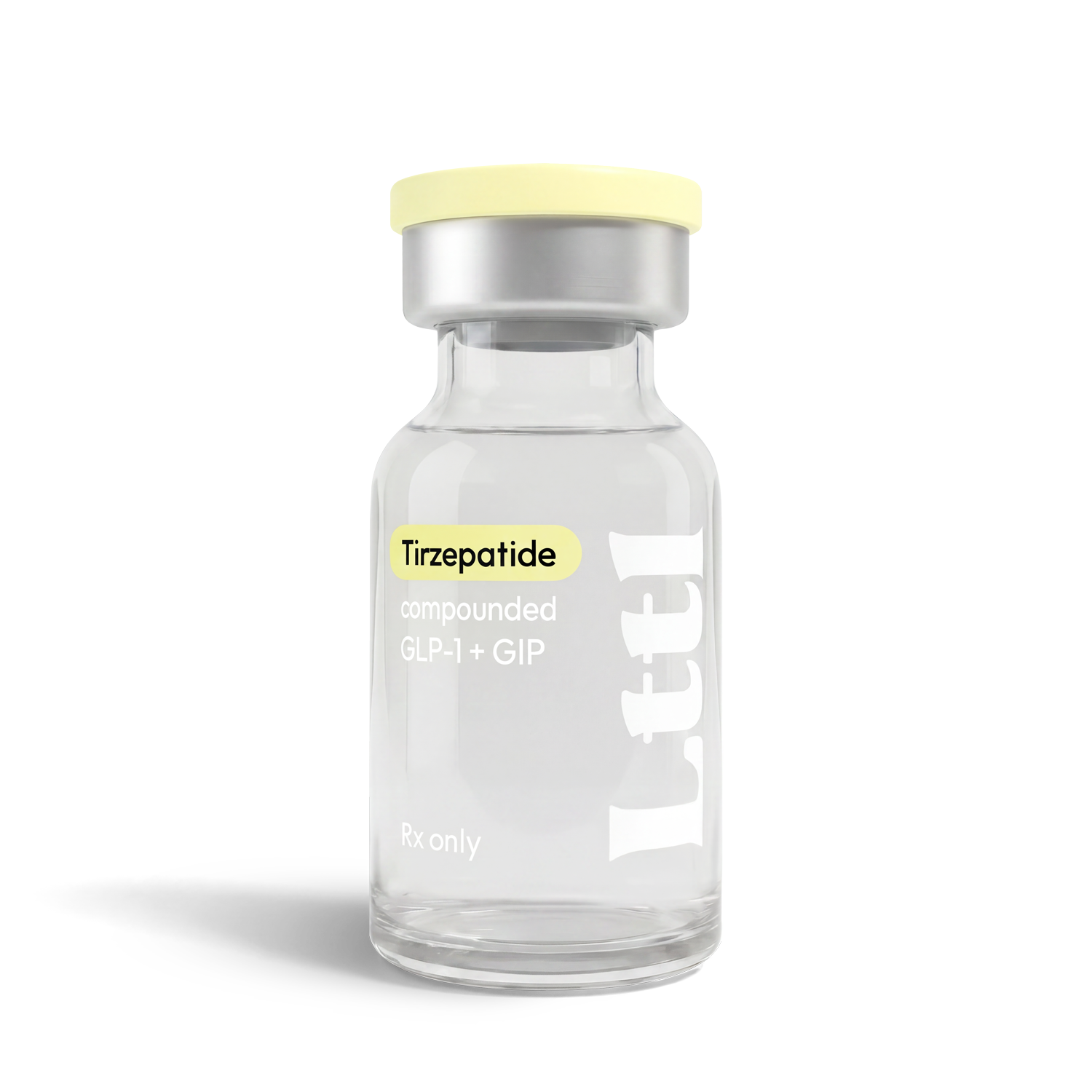
Lttl: A More Affordable and Convenient Alternative
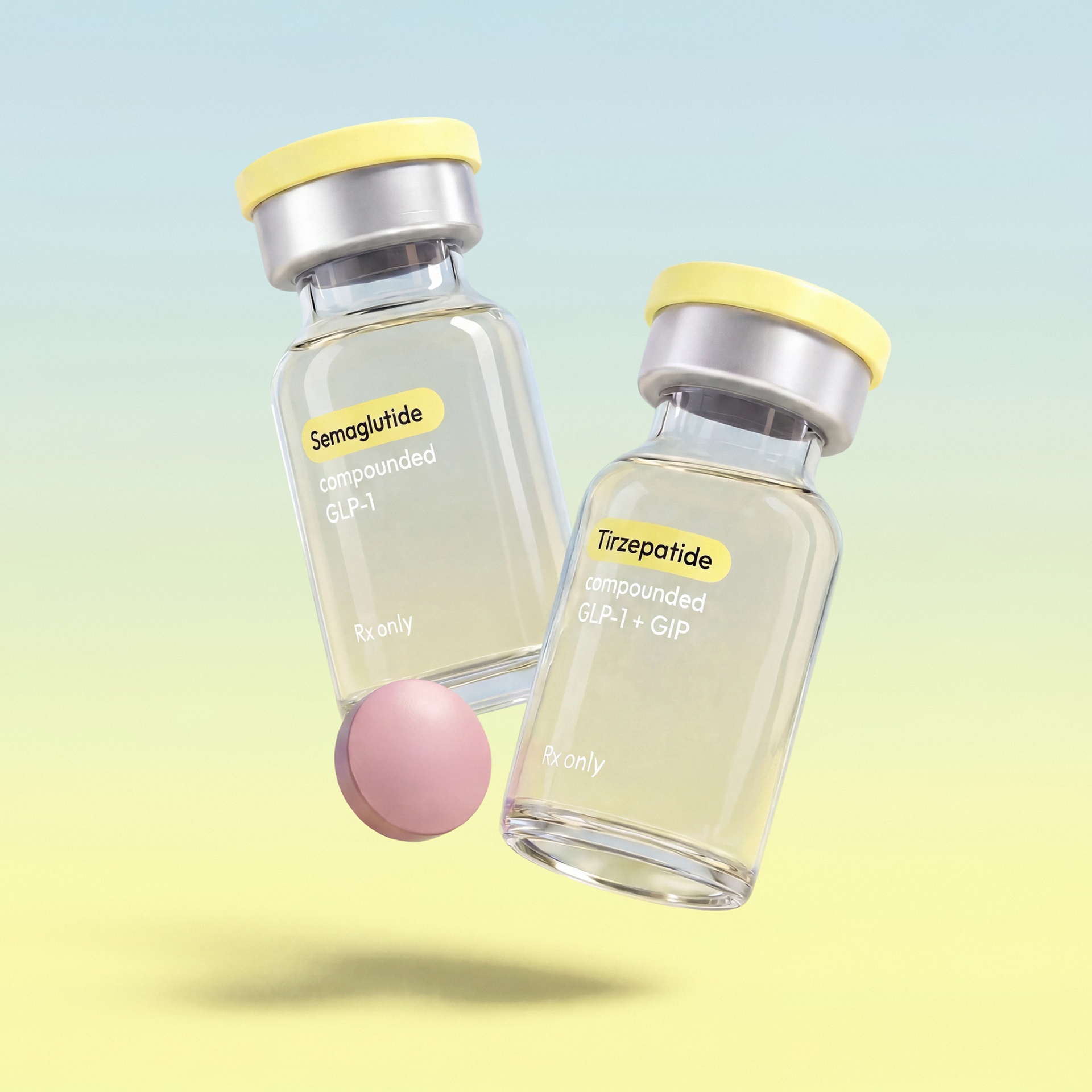
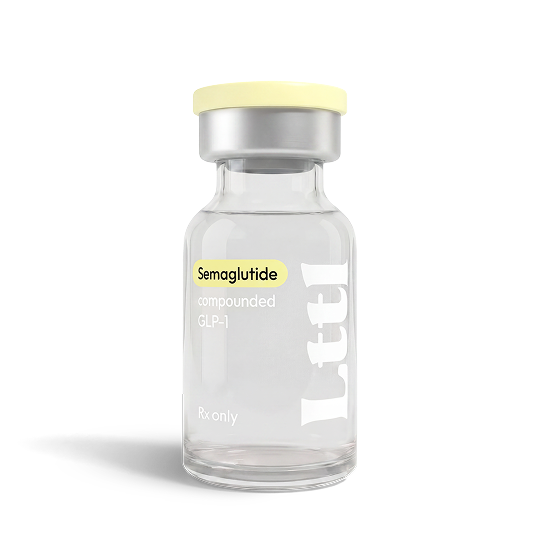
Compounded semaglutide and tirzepatide products are not FDA-approved, and FDA does not review compounded drugs for safety, effectiveness, or quality before they are marketed. Compounded medications should only be prescribed and dispensed when permitted under applicable federal and state compounding requirements. Patients should understand that compounded products should not be represented as FDA-approved, generic, or equivalent versions of Wegovy or Zepbound.
Which May Be More Appropriate: Wegovy or Zepbound?
Neither medication is universally better; the right choice depends on clinical factors specific to each patient. A few considerations that typically inform the decision:
Weight loss goals. Clinical trial averages favor tirzepatide for greater weight loss: approximately 22.5% versus 15% in comparable populations. For patients whose primary goal is maximizing weight loss, that difference is worth discussing with a clinician. For patients who respond well to semaglutide at lower doses, Wegovy may be entirely sufficient.
Cardiovascular history. Wegovy has an FDA-approved cardiovascular outcomes indication supported by the SELECT trial: a meaningful distinction for patients with established CV disease who are not managing type 2 diabetes. Zepbound does not currently carry this indication.
Obstructive sleep apnea. Zepbound is FDA-approved for moderate to severe OSA in adults with obesity. For patients where this is a clinical priority, the indication matters.
Adolescent patients. Wegovy is approved for patients aged 12 and older with obesity. Zepbound is currently approved for adults only. (Lttl prescribes GLP-1 medications only for patients 18 and older.)
Oral administration preference. Wegovy offers a once-daily oral tablet formulation. Zepbound does not. For patients who strongly prefer not to inject, this is something to keep in mind.
Titration pace and tolerability. Wegovy's shorter titration schedule reaches maintenance dose faster but may produce more pronounced early GI side effects for some patients. Zepbound's four-week escalation intervals may be better tolerated early in treatment.
Prior treatment history. Patients who have not responded adequately to semaglutide may benefit from switching to tirzepatide's dual mechanism: a clinical conversation you should have with your clinician and not something to determine on your own.
Insurance coverage. Coverage realities often shape which product is practically accessible. A clinician familiar with both options can help navigate coverage considerations alongside clinical ones.
Ultimately, the determination of which medication is best for you should be made by a licensed clinician, who has reviewed your complete health history, goals, and coverage situation.
Frequently Asked Questions
Are Wegovy and Zepbound the Same Medication?
No. Wegovy contains semaglutide and activates GLP-1 receptors only. Zepbound contains tirzepatide and activates both GLP-1 and GIP receptors. They are different active ingredients, produced by different manufacturers, with different mechanisms, different trial evidence, and different approved indications.
Which Works Better for Weight Loss, Wegovy or Zepbound?
A direct head-to-head trial is now available. In SURMOUNT-5, adults with obesity without type 2 diabetes receiving maximum tolerated doses had a mean weight reduction of approximately 20.2% with tirzepatide compared with 13.7% with semaglutide at 72 weeks. Tirzepatide was superior for the trial's primary weight-loss endpoint. However, the most appropriate medication for an individual patient still depends on indication, medical history, contraindications, treatment response, tolerability, access, and patient preference.
Can I Switch From Wegovy to Zepbound?
Switching between these medications is possible and may make clinical sense, particularly if a patient has plateaued on Wegovy or hasn't achieved their goals at the maximum tolerated dose. Because the active ingredients and mechanisms differ, a switch isn't a straightforward dose conversion and should be managed by a clinician. Timing, starting dose, and any monitoring adjustments needed during the transition all require clinical judgment.
Can You Take Wegovy and Zepbound Together?
No. Combining GLP-1 receptor agonists is not recommended. Both medications activate GLP-1 receptors, and combining them would not produce proportional additional benefit while meaningfully increasing the risk of side effects. This applies to combining any products containing semaglutide or tirzepatide simultaneously.
Is Compounded Semaglutide or Tirzepatide the Same as Wegovy or Zepbound?
Compounded semaglutide and tirzepatide products are not the same as FDA-approved Wegovy or Zepbound and should not be represented as generic or equivalent versions of those products. Compounded drugs are not reviewed by FDA for safety, effectiveness, or quality before marketing. Their preparation and dispensing must comply with applicable federal and state compounding requirements, and patients considering a compounded product should discuss its source, formulation, dosing, and regulatory status with their clinician.
Bibliography
- Novo Nordisk. (2026). Wegovy (semaglutide) injection and tablets: Full prescribing information (Revised March 2026). U.S. Food and Drug Administration. https://www.accessdata.fda.gov/drugsatfda_docs/label/2026/215256s029lbl.pdf
- Eli Lilly and Company. (2026). Zepbound (tirzepatide) injection, for subcutaneous use: Full prescribing information (Revised February 2026). U.S. Food and Drug Administration. https://www.accessdata.fda.gov/drugsatfda_docs/label/2026/217806s042lbl.pdf
- Wilding, J. P. H., Batterham, R. L., Calanna, S., Davies, M., Van Gaal, L. F., Lingvay, I., McGowan, B. M., Rosenstock, J., Tran, M. T. D., Wadden, T. A., Wharton, S., Yokote, K., Zeuthen, N., & Kushner, R. F. (2021). Once-weekly semaglutide in adults with overweight or obesity. New England Journal of Medicine, 384(11), 989-1002. https://www.nejm.org/doi/full/10.1056/NEJMoa2032183
- Jastreboff, A. M., Aronne, L. J., Ahmad, N. N., Wharton, S., Connery, L., Alves, B., Kiyosue, A., Zhang, S., Liu, B., Bunck, M. C., & Stefanski, A. (2022). Tirzepatide once weekly for the treatment of obesity. New England Journal of Medicine, 387(3), 205-216. https://www.nejm.org/doi/full/10.1056/NEJMoa2206038
- Lincoff, A. M., Brown-Frandsen, K., Colhoun, H. M., Deanfield, J., Emerson, S. S., Esbjerg, S., Hardt-Lindberg, S., Hovingh, G. K., Kahn, S. E., Kushner, R. F., Lingvay, I., Oral, T. K., Michelsen, M. M., Plutzky, J., Tornøe, C. W., & Ryan, D. H. (2023). Semaglutide and cardiovascular outcomes in obesity without diabetes. New England Journal of Medicine, 389(24), 2221-2232. https://www.nejm.org/doi/full/10.1056/NEJMoa2307563
- Drucker, D. J. (2022). GLP-1 physiology informs the pharmacotherapy of obesity. Molecular Metabolism, 57, 101351. https://pubmed.ncbi.nlm.nih.gov/34626851/