
.svg)




By Michael Wright
Key Takeaways
- Both semaglutide and tirzepatide are injectable GLP-1 medications prescribed for weight loss, but they work through slightly different mechanisms.
- Tirzepatide targets two hormonal pathways (GLP-1 and GIP); semaglutide targets one (GLP-1).
- Clinical trials suggest tirzepatide produces greater average weight loss, but individual results vary significantly.
- Semaglutide has a longer track record and more published long-term data.
- Side effect profiles are similar for both: nausea, fatigue, and GI symptoms are the most common, particularly early on.
- The right choice depends on your health history, how your body responds, and what your clinician recommends. There isn't a universal answer.
What GLP-1 Medications Actually Do
GLP-1 stands for glucagon-like peptide-1, a hormone your body naturally produces after eating. It signals to your brain that you’re full, slows the rate at which your stomach empties, and helps regulate blood sugar. GLP-1 receptor agonists (the class of drugs semaglutide and tirzepatide belong to) mimic and amplify that signal. For most patients, GLP-1s produce a significant reduction in appetite. The persistent background noise of thinking about food (planning the next meal, reaching for snacks out of habit, eating past fullness without noticing) tends to quiet down. Many of our patients have told us it’s the first time in years they’ve felt genuinely in control around food.
What GLP-1 medications are not is a shortcut. They work best as part of a medically supervised program that includes clinical oversight, ongoing support, and the kind of gradual dose titration (that is, gradually increasing the dose) that gives your body time to adjust. And yes, this is exactly the kind of support our licensed clinicians provide.
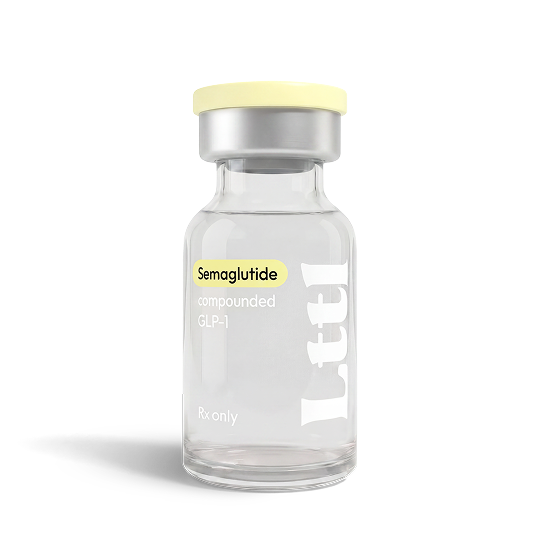
Semaglutide: What to Know
Semaglutide is the active ingredient in Ozempic (approved for type 2 diabetes) and Wegovy (approved for chronic weight management). It works by activating GLP-1 receptors, reducing calorie intake through appetite effects, slowing stomach emptying, increasing insulin release when blood sugar is high, and reducing glucagon release.
Notes from the lab: In the STEP 1 trial (one of the largest weight loss studies conducted for any medication), participants taking semaglutide lost an average of nearly 15% of their body weight over 68 weeks. That’s a big improvement over previous weight loss medications.
What it feels like: Most of our patients describe the first week or two as sort of a quiet shift. Appetite decreases noticeably, meals feel satisfying with less food, and the pull toward habitual eating weakens. The experience tends to be gradual rather than dramatic, which is actually a good sign (believe it or not). Aggressive early effects often mean the dose is moving too fast.
It’s administered once weekly by subcutaneous injection, typically starting at 0.25 mg and titrating upward over several months. The longer titration schedule (ramping up more slowly than with tirzepatide) is one reason some patients find semaglutide easier to tolerate early on.
Potential side effects: Nausea is the most commonly reported side effect, particularly in the first few weeks. You might also experience fatigue, acid reflux, constipation, or occasional loose stools. Most of those side effects are front-loaded and improve as the body adjusts. Serious side effects are uncommon, but include pancreatitis, gallbladder issues, and (based on animal studies) a potential concern about thyroid tumors. This is why semaglutide carries a boxed warning for patients with a personal or family history of medullary thyroid carcinoma or MEN2.
Who’s it for? Patients who prefer a medication with a longer published track record and those who have previously tolerated GLP-1 therapy. Beyond those general groups, there are also those whose clinician may identify as the better fit for semaglutide based on their health history or goals.
Experience of a Real Patient
My Story
“I lost 74 pounds in nine months on semaglutide. I’d tried everything before this - diets, gym memberships, willpower alone, and nothing stuck the way this did.
The First Month
“Starting semaglutide, my appetite noticeably dropped within the first couple weeks. I had some mild nausea early on, especially after the dose increases, but it was manageable and got better as my body adjusted. By the end of the month, I could already see a difference on the scale.”
Before & After
“Before, I felt controlled by food, constantly thinking about my next meal or feeling guilty about the last one. Now, I feel like myself again. Clothes fit, my energy’s up, and food is just food, not something I’m negotiating with all day.”
- Isabella C. (age 35)
Experience of a Licensed Medical Professional
“Semaglutide is a well-established option that can help reduce appetite and support meaningful, sustained weight loss. Its longer track record may appeal to patients who value extensive clinical data, but the dose still needs to be increased gradually based on individual response and tolerability.” - Dr. Stanley Saji, PharmD, MBA
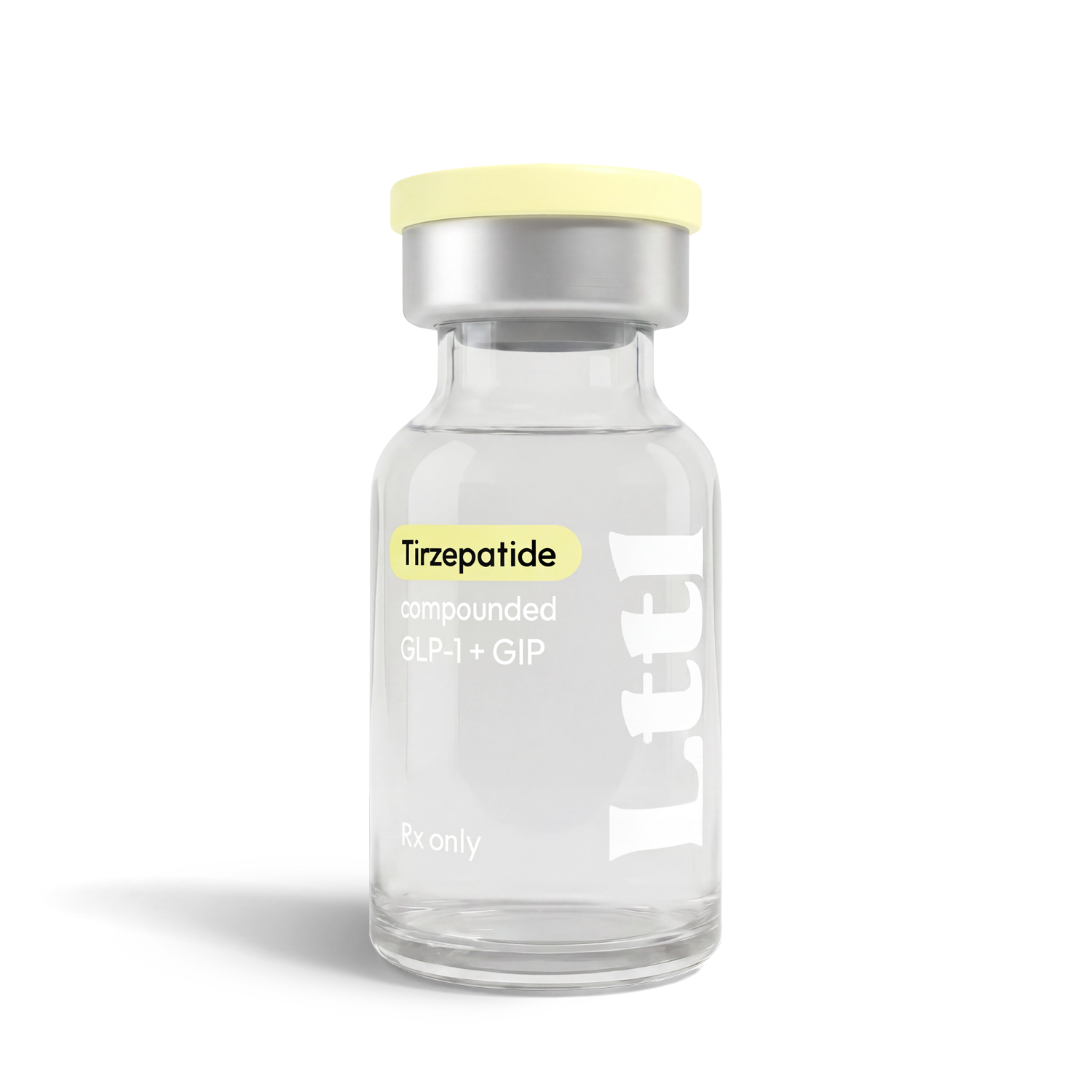
Tirzepatide: What to Know
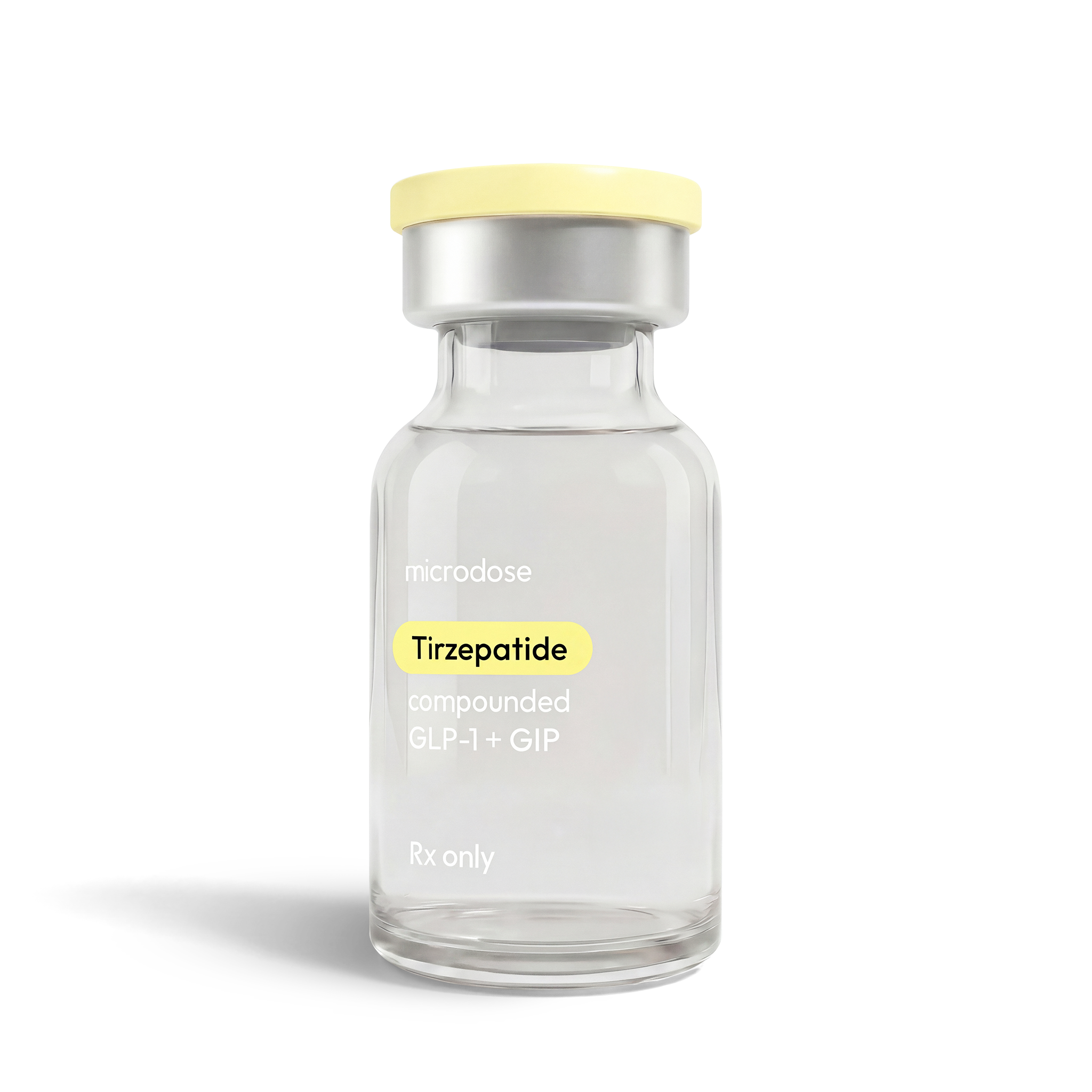
Tirzepatide, the active ingredient in Mounjaro (for type 2 diabetes) and Zepbound (for weight management), does something semaglutide doesn’t. It activates two receptors instead of one: GLP-1 and GIP (glucose-dependent insulinotropic polypeptide). GIP is another gut hormone involved in insulin release and fat metabolism. The dual mechanism is what distinguishes tirzepatide from semaglutide, which can account for differences in their weight loss data.
Notes from the lab: In SURMOUNT-1, participants assigned to the 15-mg tirzepatide dose lost an average of 20.9% of their body weight over 72 weeks in the primary analysis.
What it feels like: Our patients frequently describe a more pronounced reduction in appetite than they expected. Food that was previously enticing can become almost neutral. Some of our patients have told us they had to remind themselves to eat. While this sounds appealing, patients need to remember that adequate nutrition matters, and the “I forgot to eat” experience can reflect a dose that needs adjustment rather than ideal suppression (so, take advantage of our 24/7 support line).
Tirzepatide is also administered once weekly, starting at 2.5 mg and titrating up every four weeks. The titration schedule is somewhat faster than semaglutide’s, which can mean stronger early effects. For some patients, that can mean more pronounced early side effects, as well.
Potential side effects: Similar to semaglutide (nausea, fatigue, GI discomfort, acid reflux) and also most prominent in the early weeks. Because the appetite suppression can be more significant, some patients on tirzepatide also report eating too little and needing guidance on maintaining adequate intake. The same thyroid tumor warning applies, and tirzepatide is similarly contraindicated for patients with a history of medullary thyroid carcinoma or MEN2.
Who’s it for? Patients looking for the most aggressive weight loss outcomes, those who haven’t responded adequately to semaglutide, or anyone whose metabolic profile suggests they would benefit from the dual GLP-1/GIP mechanism. As always, the right fit depends on your clinician’s assessment.
Experience of a Real Patient
My Story
“I lost 85 pounds in 11 months on tirzepatide. It wasn’t just about the number on the scale; it gave me the momentum to actually stick with the changes I’d been trying to make for years.”
The First Month
“The first month, I noticed my portions shrinking almost immediately. I just didn't have room for as much. I did deal with some nausea and a bit of fatigue those first couple weeks, but nothing that stopped me from going to the gym. By week four, I’d already dropped a noticeable amount and felt like I had real proof it was working.”
Before & After
“Before, I felt stuck: low energy, low confidence, going through the motions. Now, I feel strong. I’m more motivated, I have the energy to actually show up for workouts, and honestly my whole relationship with myself has changed, not just my body.”
- Michelle R. (age 38)
Experience of a Licensed Medical Professional
“Tirzepatide acts on both GIP and GLP-1 receptors and has produced greater average weight loss than semaglutide in a head-to-head clinical trial. However, greater average weight loss does not automatically make it the right choice for every patient. Medical history, side effects, treatment goals, and individual response should guide the decision.” - Dr. Stanley Saji, PharmD, MBA
Side-by-Side Comparison
| Semaglutide | Tirzepatide | |
|---|---|---|
| Mechanism | GLP-1 receptor agonist | GLP-1 + GIP dual agonist |
| Starting dose | 0.15-0.2 mg weekly | 1.5-2.125 mg weekly |
| Titration pace | Given once weekly, starting at 0.25 mg for 4 weeks and increasing every 4 weeks until a maintenance dose is reached. If a dose is not tolerated, the next increase may be delayed for 4 additional weeks | Given once weekly, starting at 2.5 mg for 4 weeks. The dose may then be increased in 2.5-mg steps after at least 4 weeks at the current dose, based on treatment response and tolerability. |
| Average weight loss (SURMOUNT-5 trial, adults with obesity but without diabetes) | ~13.7% body weight (doses of 1.7 or 2.4mg) | ~20.2% body weight (doses of 10 or 15mg) |
| FDA approval | Wegovy (weight loss), Ozempic (diabetes) | Zepbound (weight loss), Mounjaro (diabetes) |
| Track record | Longer, more published long-term data | Newer, rapidly accumulating evidence |
| Common side effects | Nausea, fatigue, GI symptoms | Nausea, fatigue, GI symptoms (may be more pronounced) |
| Appetite suppression | Significant | Often more pronounced |
| Administration | Once weekly injection | Once weekly injection |
| Best for | Proven track record, gradual titration | Maximum weight loss potential, dual mechanism |
Frequently Asked Questions
Is Tirzepatide Stronger Than Semaglutide?
In the SURMOUNT-5 head-to-head trial, adults with obesity but without diabetes lost an average of 20.2% of their body weight with tirzepatide compared with 13.7% with semaglutide over 72 weeks. Individual results can vary. This study compared tirzepatide doses of 10 or 15 mg with semaglutide doses of 1.7 or 2.4 mg.
Which Has Fewer Side Effects, Semaglutide or Tirzepatide?
Both medications share similar potential side effects: nausea, fatigue, GI symptoms, and acid reflux being the most common, particularly early in the protocol. Some patients report that tirzepatide’s effects feel more pronounced, which may reflect the stronger appetite suppression rather than a distinct side effect difference. The best way to manage side effects for either medication is gradual titration and regularly checking in with your clinician.
How Quickly Do Semaglutide and Tirzepatide Work?
Most patients notice appetite changes within the first one to two weeks. Meaningful fat loss (as opposed to early water weight) typically becomes measurable around months two and three for both medications. The clinical trials for both ran 68-72 weeks, which gives a sense of the timeline for full effect.
Can I Switch From Semaglutide to Tirzepatide?
Yes, and some patients do: either because they’ve plateaued on semaglutide or because their clinician recommends it based on their progress. The transition should be managed by your prescribing clinician, and not done independently.
Do I Have to Take These Medications Forever?
This is one of the most important questions to ask before starting either medication, and one that doesn’t have a simple answer. GLP-1 medications address the biological drivers of appetite and weight, but those drivers don’t disappear when you stop the medication. Some patients maintain results through lifestyle changes reinforced during treatment, while others regain their weight when they stop. Long-term planning is definitely worth discussing with your clinician before you start either program.
Are Compounded Versions of Semaglutide and Tirzepatide Safe?
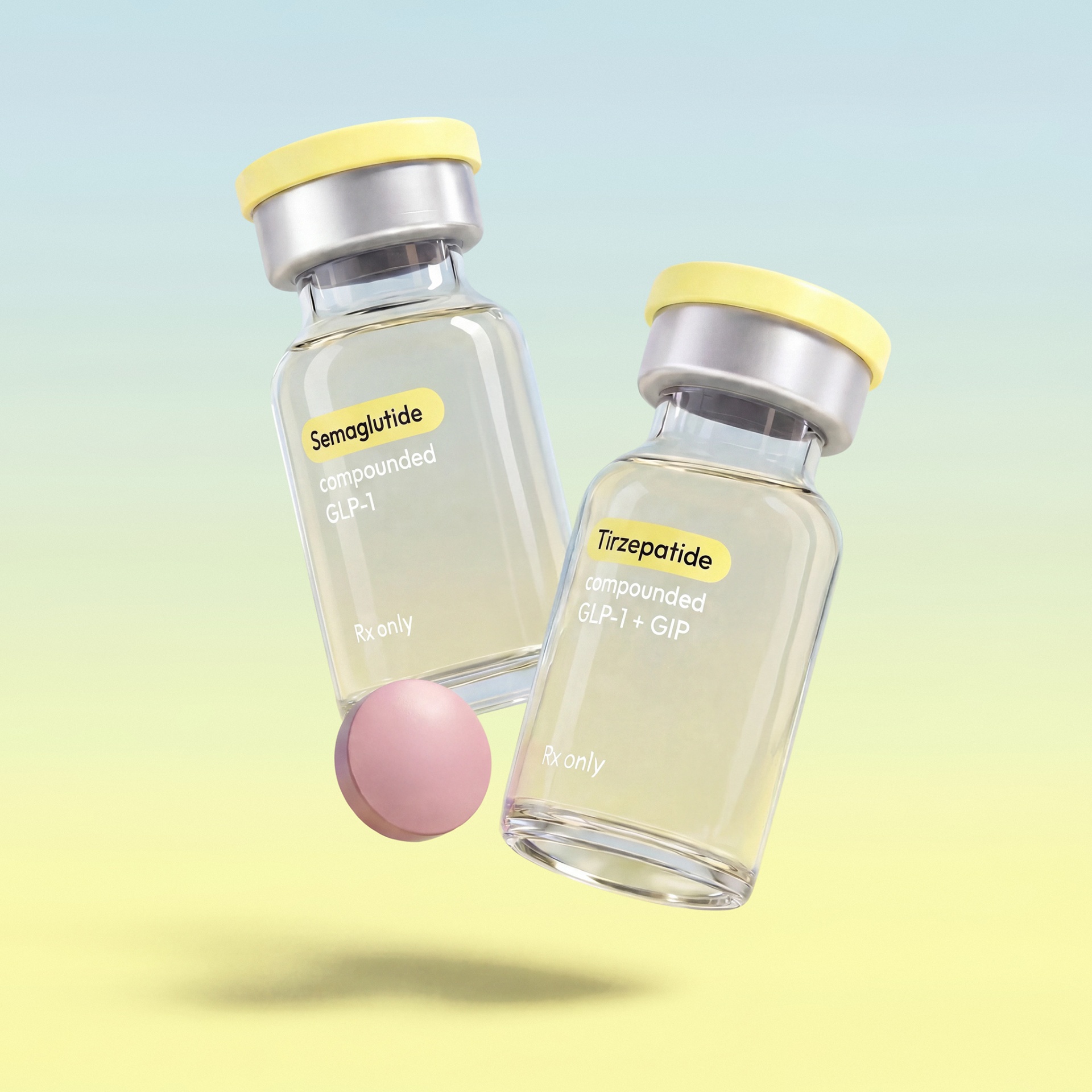
Compounded GLP-1 medications occupy a complicated regulatory space. They may be legitimate under specific clinical circumstances, but the market has also produced significant quality control concerns, including documented dosing errors. Any provider offering compounded GLP-1s should be able to tell you which licensed pharmacy is producing them, provide a Certificate of Analysis, and demonstrate that a licensed clinician is involved in your care. If they can’t answer those questions clearly, that’s a signal worth taking seriously. (And yes, Lttl provides all of the above.)
Making the Choice
Semaglutide and tirzepatide are both legitimate, clinically supported options for medically supervised weight loss. The data on both is compelling, and the right choice between them isn’t about which medication is objectively better; it’s about which is better for you.
Bibliography
Wilding, J.P.H., Batterham, R.L., Calanna, S., Davies, M., Van Gaal, L.F., Lingvay, I., McGowan, B.M., Rosenstock, J., Tran, M.T.D., Wadden, T.A., Wharton, S., Yokote, K., Zeuthen, N., & Kushner, R.F. (2021). Once-weekly semaglutide in adults with overweight or obesity. New England Journal of Medicine, 384(11), 989-1002. https://www.nejm.org/doi/full/10.1056/NEJMoa2032183
Jastreboff, A.M., Aronne, L.J., Ahmad, N.N., Wharton, S., Connery, L., Alves, B., Kiyosue, A., Zhang, S., Liu, B., Bunck, M.C., & Stefanski, A. (2022). Tirzepatide once weekly for the treatment of obesity. New England Journal of Medicine, 387(3), 205-216. https://www.nejm.org/doi/full/10.1056/NEJMoa2206038
Davies, M., Færch, L., Jeppesen, O.K., Pakseresht, A., Pedersen, S.D., Perreault, L., Rosenstock, J., Shimomura, I., Viljoen, A., Wadden, T.A., & Lingvay, I. (2021). Semaglutide 2·4 mg once a week in adults with overweight or obesity, and type 2 diabetes (STEP 2): a randomised, double-blind, placebo-controlled, phase 3 trial. The Lancet, 397(10278), 971-984. https://www.thelancet.com/journals/lancet/article/PIIS0140-6736(21)00213-0/fulltext
U.S. Food and Drug Administration. (2023). FDA approves new medication for chronic weight management. https://www.fda.gov/news-events/press-announcements/fda-approves-new-medication-chronic-weight-management
U.S. Food and Drug Administration. (2026) Zepbound PI. https://www.accessdata.fda.gov/drugsatfda_docs/label/2026/217806s002lbl.pdf
U.S. Food and Drug Administration. (2026) Wegovy PI. https://www.accessdata.fda.gov/drugsatfda_docs/label/2026/215256s029lbl.pdf
Blundell, J., Finlayson, G., Axelsen, M., Flint, A., Gibbons, C., Kvist, T., & Hjerpsted, J.B. (2017). Effects of once-weekly semaglutide on appetite, energy intake, energy expenditure, glucose metabolism, and body composition in adults with overweight or obesity. Diabetes, Obesity and Metabolism, 19(9), 1242-1251. https://dom-pubs.onlinelibrary.wiley.com/doi/10.1111/dom.12932
Frías, J.P., Davies, M.J., Rosenstock, J., Pérez Manghi, F.C., Fernández Landó, L., Bergman, B.K., Liu, B., Cui, X., & Brown, K. (2021). Tirzepatide versus semaglutide once weekly in patients with type 2 diabetes. New England Journal of Medicine, 385(6), 503-515. https://www.nejm.org/doi/full/10.1056/NEJMoa2107519
Aronne, L.J., Horn, D.B., le Roux, C.W., Ho, W., Falcon, B.L., Valderas E.G., Das, Lee, C.J., Glass, L.C., Senyucel, C., and Dunn, J.P. for the SURMOUNT-5 Trial, Tirzepatide as Compared with Semaglutide for the Treatment of Obesity. New England Journal of Medicine, 393:26-36. https://www.nejm.org/doi/full/10.1056/NEJMoa2416394



.svg)

.svg)