
.svg)





By Michael Wright
GLP-1 medications have become one of the most discussed topics in modern medicine, and for good reason. They represent a meaningful shift in how clinicians approach weight management and metabolic health. This page covers what they are, how they work, who may qualify, what to expect, and how to access them through a telehealth provider like Lttl.
What Are GLP-1 Medications?
GLP-1 medications are a class of prescription drugs that mimic or amplify the action of glucagon-like peptide-1, a hormone your body produces naturally after eating. That hormone plays several roles in regulating blood sugar, digestion, and appetite. GLP-1 medications engage the same receptors, but with a more sustained effect than the hormone your body makes on its own.
The naturally occurring version of GLP-1 is released after meals and breaks down within minutes. GLP-1 medications are engineered to last much longer, producing a more consistent and pronounced effect on the systems they target.
A few things worth knowing about this class:
GLP-1 receptor agonists are the most common type. They bind directly to GLP-1 receptors throughout the body.
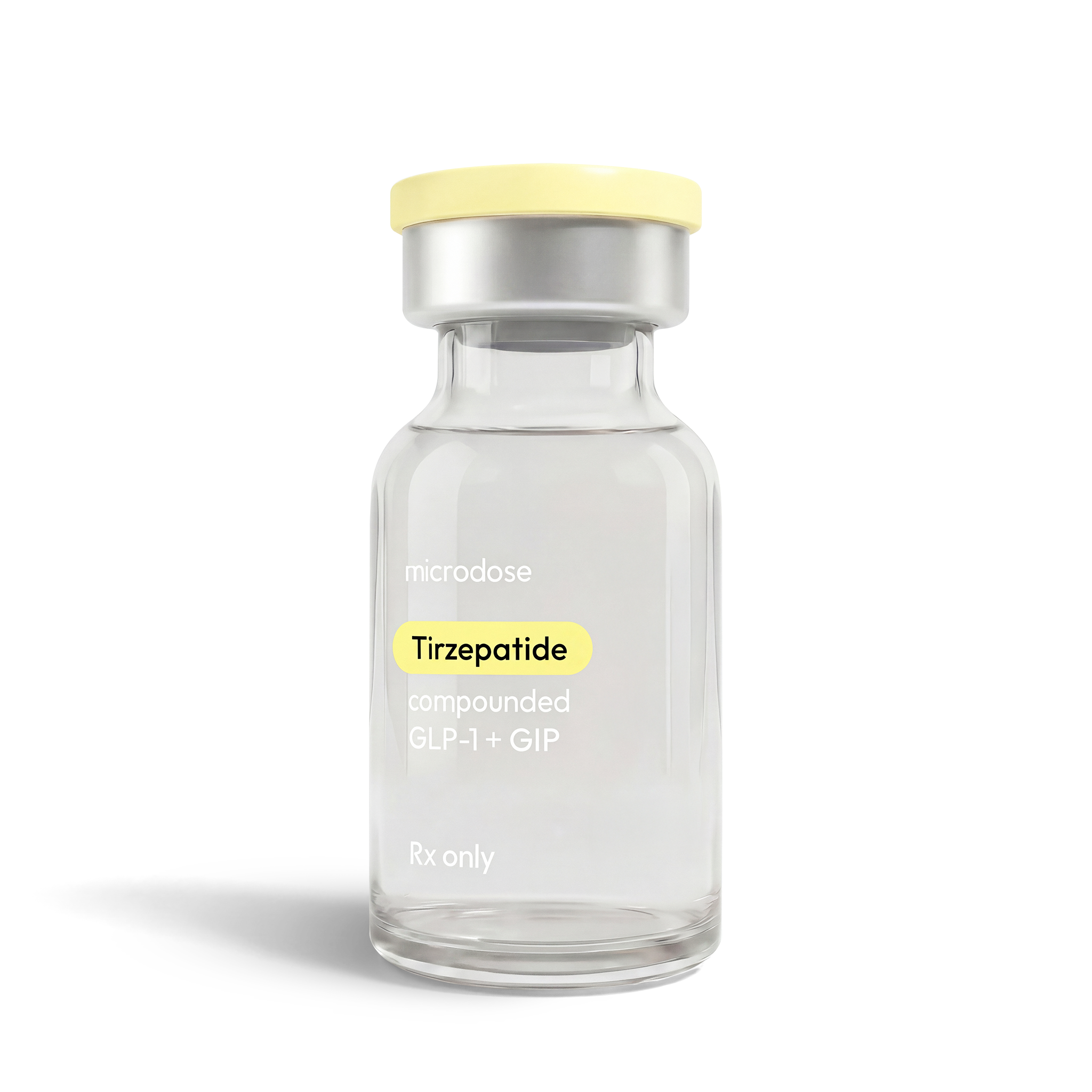
Dual agonists like tirzepatide activate both GLP-1 and GIP receptors, engaging an additional hormonal pathway involved in metabolism.
Different products have different approved indications. Some are approved specifically for type 2 diabetes, others for chronic weight management, and some for both. They are not interchangeable.
GLP-1 medications are prescription-only and require clinical evaluation before use.
How Do GLP-1 Medications Help With Weight Loss?
GLP-1 medications support weight loss through several overlapping mechanisms. None of them operate in isolation, and the degree to which each contributes varies by individual, dose, and product.
Step 1: Appetite signaling shifts. GLP-1 receptors are expressed in brain regions involved in hunger and reward processing. When those receptors are activated, the persistent mental preoccupation with food (sometimes called “food noise”) tends to quiet down. Patients often describe feeling less driven by appetite and more able to eat in response to actual hunger rather than habit or craving.
Step 2: Gastric emptying slows. GLP-1 medications slow the rate at which the stomach empties after a meal. Food sits longer, and the physical sensation of fullness extends further into the period between meals. The result is that most patients eat less at each meal and feel satisfied sooner.
Step 3: Blood sugar regulation improves. By stimulating insulin release and suppressing glucagon in a glucose-dependent way, GLP-1 medications help stabilize blood sugar after meals. Reduced blood sugar swings mean fewer energy crashes, and fewer of the hunger signals that those crashes tend to trigger.
The cumulative effect is a meaningful reduction in caloric intake that most patients experience without feeling deprived. This is why treatment adherence tends to be higher with GLP-1 therapy than with traditional dietary interventions alone.
Which GLP-1 Medications Are Used for Weight Management?
Several GLP-1 medications are available, but two active ingredients dominate the current weight management landscape: semaglutide and tirzepatide. It’s worth pressing “pause” here so you can fully understand the difference between the active ingredient and the brand name. Remember, multiple products may contain the same active ingredient, but carry different names and approved uses.
| Semaglutide | Tirzepatide | |
|---|---|---|
| Mechanism | GLP-1 receptor agonist | GLP-1 + GIP dual agonist |
| Brand names (diabetes) | Ozempic, Rybelsus | Mounjaro |
| Brand names (weight management) | Wegovy | Zepbound |
| Administration | Once-weekly injection or daily tablet | Once-weekly injection |
| FDA approval (weight management) | Yes, Wegovy | Yes, Zepbound |
| Starting dose | Wegovy injection 0.25 mg once weekly; Wegovy tablet 1.5 mg once daily | 2.5 mg weekly |
| Titration | Gradual over ~16-20 weeks | Gradual over ~20 weeks |
| Average weight loss (clinical trials) | ~15% body weight (STEP 1) | ~22.5% body weight (SURMOUNT-1) |
A few important distinctions: Ozempic and Mounjaro are approved for type 2 diabetes, not weight management. They're sometimes prescribed off-label, but that's a clinical decision made on a case-by-case basis. Wegovy and Zepbound are the weight-management-approved formulations of their respective active ingredients, at higher doses.
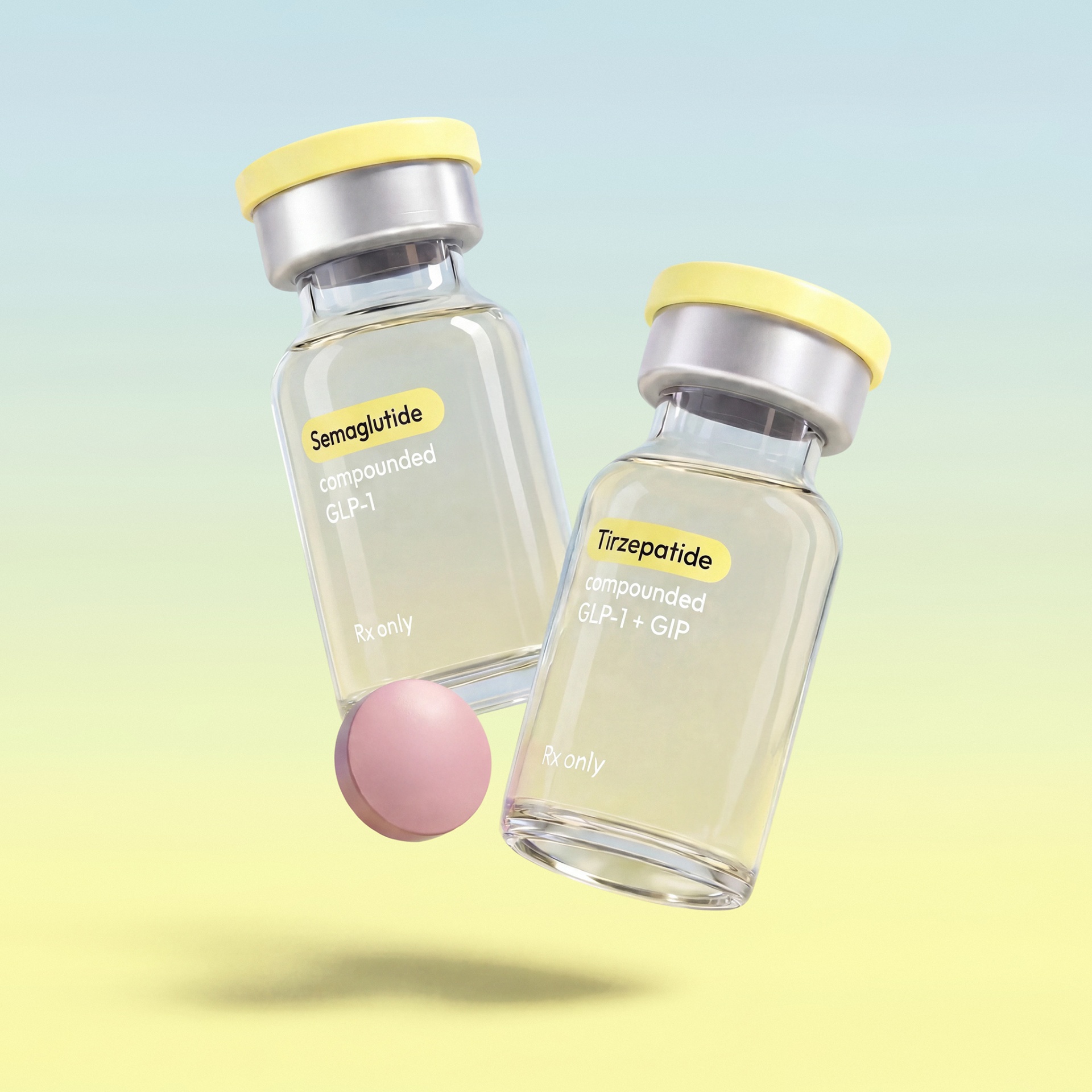
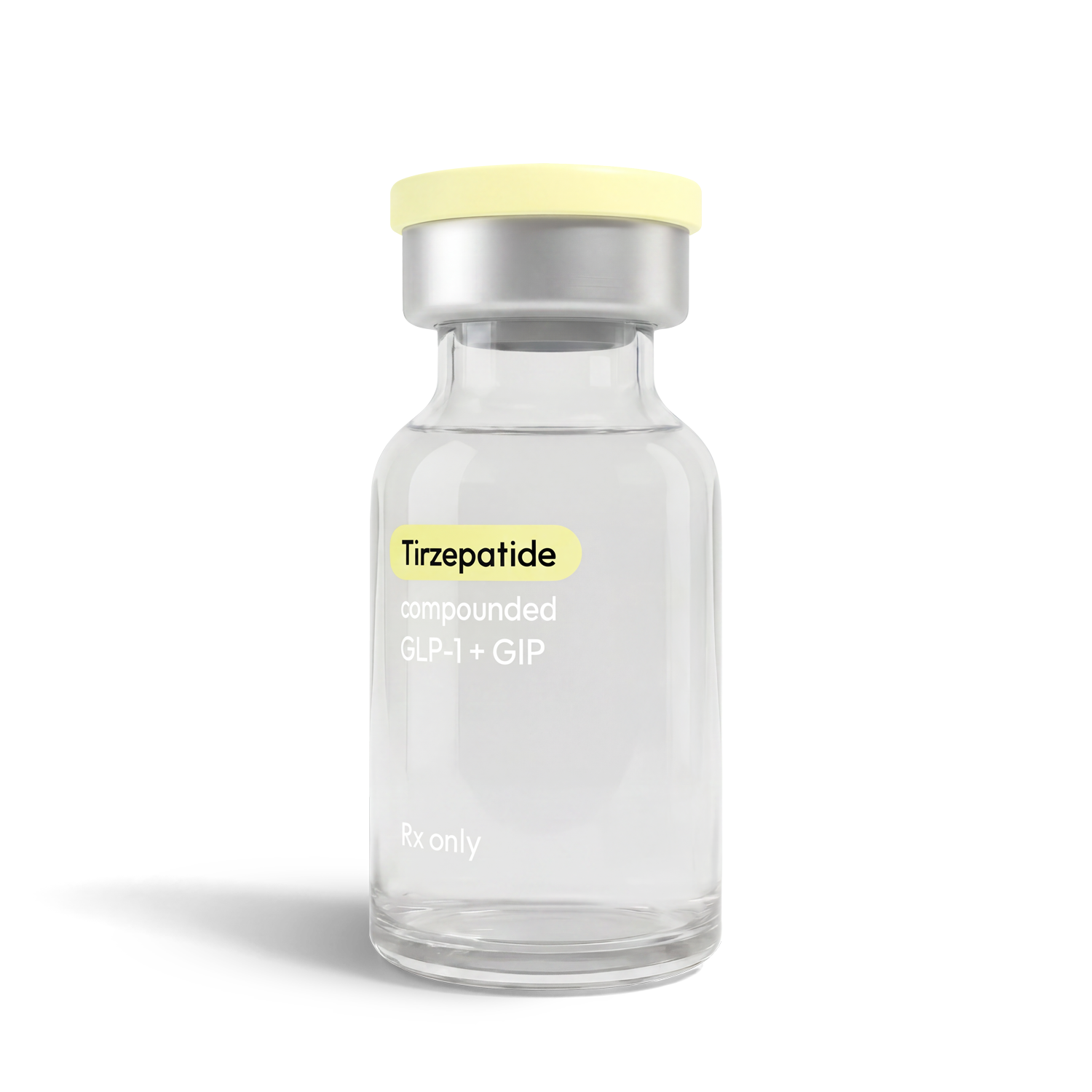
Compounded versions of semaglutide and tirzepatide (such as those available at Lttl) are also available through licensed pharmacies. See the section below on compounded vs. FDA-approved medications for important context.
Semaglutide vs. Tirzepatide: What Is the Difference?
The most meaningful difference between semaglutide and tirzepatide is the number of hormonal pathways each engages.
| Semaglutide | Tirzepatide | |
|---|---|---|
| Receptor activity | GLP-1 only | GLP-1 + GIP |
| Average trial weight loss | ~15% (STEP 1) | About 21% with tirzepatide 15 mg at 72 weeks in the primary analysis. An additional analysis estimating outcomes if treatment was taken as intended reported approximately 22.5%. (SURMOUNT-1) |
| Track record | Longer, more long-term data | Newer, rapidly accumulating evidence |
| Appetite suppression | Significant | Often more pronounced |
| Side effect profile | Nausea, GI symptoms | Similar, may be more pronounced early |
| Titration pace | Slower | Slightly faster |
Tirzepatide's dual mechanism appears to produce greater average weight loss in clinical trials, but individual responses vary considerably. Some patients do better on semaglutide; others respond more strongly to tirzepatide. Tolerability, health history, prior medication experience, and clinician judgment all factor into which is more appropriate for a given patient. That’s why the introductory quiz and clinician review at Lttl are so critical in determining the best course of action for each individual.
For a detailed side-by-side breakdown, visit our semaglutide vs. tirzepatide comparison page.
Who May Qualify for GLP-1 Treatment?
GLP-1 medications aren't appropriate for everyone, and eligibility is determined through clinical evaluation, not a checklist. That said, a few general factors commonly inform whether a patient may be a candidate:
BMI considerations. Clinical guidelines generally support GLP-1 therapy for adults with a BMI of 30 or higher, or a BMI of 27 or higher with at least one weight-related health condition such as high blood pressure, type 2 diabetes, or high cholesterol.
Health history. Certain conditions (including a personal or family history of medullary thyroid carcinoma or MEN2 syndrome) are contraindications for GLP-1 medications. A history of pancreatitis and gastroparesis also requires careful evaluation.
Current medications. GLP-1 medications can interact with blood sugar-lowering drugs (particularly insulin and sulfonylureas) in ways that require monitoring and possible dose adjustment. Because GLP-1 medications slow gastric emptying, they can also affect the absorption of certain oral medications with narrow therapeutic windows. A full medication review is part of the clinical intake process.
Individual goals. Not everyone pursuing GLP-1 therapy has the same objective. Some patients are focused on significant weight loss; others are more interested in metabolic health, blood sugar regulation, or low-dose cognitive benefits. The treatment plan should reflect the actual goal.
Eligibility is ultimately determined by a licensed clinician who reviews your complete health history, not by an algorithm or a self-reported questionnaire alone.
Pregnancy and contraception: GLP-1 medications used for weight loss are generally not appropriate during pregnancy. Semaglutide should generally be stopped at least 2 months before a planned pregnancy. Tirzepatide may also reduce the effectiveness of birth control pills when treatment is started or the dose is increased. Patients using oral hormonal contraceptives should discuss backup or non-oral contraception with their clinician for 4 weeks after starting tirzepatide and for 4 weeks after each dose increase.
Ready to find out if you qualify? Start your free Lttl assessment and connect with a licensed clinician.
What Results Can People Expect?
The clinical trial data on GLP-1 medications is genuinely impressive, but trial averages aren't guarantees, and understanding what the typical trajectory actually looks like helps set realistic expectations.
Early weeks (1-4): Most patients notice appetite changes within the first one to two weeks of a GLP-1 protocol. Food noise quiets, portions naturally decrease, and meals become more satisfying with less food. The number on the scale may move, but early changes often reflect water weight and reduced food volume rather than meaningful fat loss.
Months 1-3: This is when consistent fat loss typically begins to appear. Patients who have managed protein intake, stayed hydrated, and maintained some form of physical activity tend to see the most favorable body composition changes during this phase.
Months 3-6 and beyond: Most clinical trial participants continued to lose weight through the six-month mark, with the rate of loss gradually slowing as the body adapts. Some patients experience a temporary plateau. It’s okay. This is a normal part of metabolic adaptation, and not a sign the medication has stopped working.
The bigger picture: Clinical trials for semaglutide and tirzepatide ran 68-72 weeks, which reflects how long meaningful results take to develop. Month one is a starting point, not a finish line. Individual response depends on dose, adherence, lifestyle factors, and biology ... and outcomes can vary significantly from person to person.
GLP-1 Side Effects and Safety
Most patients tolerate GLP-1 medications reasonably well, particularly when doses are titrated gradually. The majority of reported side effects are gastrointestinal and front-loaded in the early weeks of treatment.
| Common Side Effects | Urgent Warning Signs |
|---|---|
| Nausea (most common, especially early) | Severe or persistent abdominal pain (possible pancreatitis) |
| Constipation or loose stools | Signs of a serious allergic reaction (swelling, difficulty breathing) |
| Acid reflux or heartburn | Rapid heart rate combined with dizziness or fainting |
| Mild fatigue, especially in weeks 1-2 | Yellowing of skin or eyes (possible gallbladder issue) |
| Reduced appetite (often intentional) | Vision changes or symptoms of low blood sugar |
| Mild headache | Any symptom that feels severe or unusual |
A few practical considerations:
Hydration matters more than most patients expect. Reduced food intake means reduced water from food sources, and GLP-1 medications can dampen thirst cues. Dehydration amplifies many of the common side effects above.
Protein and micronutrient intake deserve attention. Eating significantly less without being intentional about what you eat can lead to muscle loss and nutritional gaps: both of which affect how you feel during treatment.
Contraindications and important precautions matter. Semaglutide and tirzepatide products are contraindicated in people with a personal or family history of medullary thyroid carcinoma, MEN2, or a previous serious allergic reaction to the medication or its ingredients. A history of pancreatitis should be discussed with the prescribing clinician, and these medications are generally not recommended in people with severe gastroparesis.
If you experience any of the urgent warning signs in the table above, contact your prescriber or seek emergency care.
How Much Do GLP-1 Medications Cost?
GLP-1 medication costs vary widely depending on several factors:
Brand-name vs. compounded. Brand-name semaglutide (Wegovy) lists at approximately $1,350 per month; brand-name tirzepatide (Zepbound) lists at approximately $1,060. Compounded versions are available at significantly lower price points through telehealth providers. Compounded GLP-1 treatments from Lttl start at $99 per month, all costs included.
Insurance coverage. Many insurance plans, including most employer-sponsored plans, don't cover GLP-1 medications for weight management. Coverage for diabetes indications is more common but still inconsistent. Prior authorization requirements are frequent and approval is not guaranteed.
Manufacturer savings programs. Novo Nordisk and Eli Lilly both offer savings cards for commercially insured patients, but these have eligibility restrictions and are not available to uninsured patients.
Dose. Higher doses cost more, both for brand-name and many compounded products. Patients who need dose adjustments will see their cost change accordingly. At Lttl, however, your price doesn't change when your dose does.
Telehealth platform and service model. The total cost of a telehealth GLP-1 program depends on what's included. Some platforms charge separately for clinical consultations, shipping, and dose adjustments. Lttl's pricing is all-inclusive: medication, clinician oversight, unlimited care team access, and shipping are covered under a single monthly fee.
Can You Get GLP-1 Medication Through Telehealth?
Yes. And for many patients, telehealth is the most accessible and practical route to GLP-1 care. Here's how a legitimate telehealth GLP-1 program should work:
Step 1: Health intake. A comprehensive questionnaire covering your medical history, current medications, relevant family history, and health goals. This isn't a formality: the answers directly affect what gets prescribed, at what dose, and whether treatment is appropriate at all.
Step 2: Clinician review. A licensed clinician reviews your intake individually. This is the step that separates a legitimate telehealth program from an automated prescription service. At Lttl, no prescription is issued until a clinician has reviewed your case.
Step 3: Eligibility determination. Based on your intake and any required lab work, the clinician determines whether GLP-1 therapy is appropriate for you, including which medication and starting dose makes sense given your profile. Treatment may be declined if it isn't appropriate.
Step 4: Pharmacy fulfillment. If treatment is prescribed, your medication is prepared by a licensed pharmacy and shipped discreetly to your door, typically within one week of prescription approval.
Step 5: Ongoing monitoring and support. A GLP-1 protocol doesn't end at delivery. Dose titration, side effect management, and ongoing clinical check-ins are part of responsible GLP-1 care. Lttl's monthly fee includes unlimited access to our care team throughout your protocol.
Compounded vs. FDA-Approved GLP-1 Medications
Here’s a quick breakdown on the difference between compounded GLP-1 medications and FDA-approved versions.
| FDA-Approved GLP-1 Medications | Compounded GLP-1 Medications | |
|---|---|---|
| Examples | Wegovy, Zepbound, Ozempic, Mounjaro | Compounded semaglutide, compounded tirzepatide |
| FDA review | Reviewed and approved for safety, efficacy, and quality | Not independently reviewed or approved by the FDA |
| Manufacturing | Produced in licensed manufacturing facilities with standardized batch testing | Prepared by licensed compounding pharmacies; testing standards vary |
| Legal basis | Standard drug approval pathway | Permitted under specific conditions (503A/503B pharmacy regulations) |
| Cost | Typically $1,000+/month without insurance | Typically $150-$350/month through telehealth (Lttl starts at $99/month) |
| Availability | Through pharmacies with a valid prescription | Through licensed compounding pharmacies with a valid prescription |
| Quality verification | Built into FDA approval process | Depends on the pharmacy; reputable providers supply a Certificate of Analysis |
Compounded GLP-1 medications can be a legitimate and significantly more affordable alternative for many patients, but the quality of the compounded product depends entirely on the pharmacy producing it and the oversight of the prescribing provider. At Lttl, we work exclusively with state-licensed 503A compounding pharmacies that source active pharmaceutical ingredients from FDA-registered manufacturers, and every order ships with a Certificate of Analysis.
For a full explanation of the regulatory landscape and what to look for in a compounding provider, visit our compounded GLP-1 medications page.
Frequently Asked Questions About GLP-1 Medications
How long do you have to take GLP-1 medications?
GLP-1 therapy is generally considered a long-term treatment rather than a short course. The clinical trials that established the evidence base for semaglutide and tirzepatide ran 68-72 weeks, and research consistently shows that patients who discontinue the medication tend to regain weight over time. That doesn't mean you're committed indefinitely, but it does mean that planning for ongoing use, rather than treating it as a temporary intervention, tends to produce better outcomes. Your clinician can help you think through what the right duration looks like for your goals.
What happens when you stop taking a GLP-1 medication?
When GLP-1 therapy is discontinued, the neurochemical and physiological effects that reduced appetite and food noise gradually reverse. Most patients experience a return of appetite and, without the behavioral changes developed during treatment, weight regain is common. Some patients maintain results better than others depending on what habits they built during treatment. This is one reason ongoing clinical support and a long-term plan matter as much as the medication itself.
Do GLP-1 medications require lifestyle changes?
GLP-1 medications work best in combination with attention to nutrition, hydration, and physical activity: not as a replacement for them. The medication reduces appetite and creates favorable conditions for change; what patients build during that window largely determines how durable the results are. That said, GLP-1 therapy is not contingent on a perfect diet or an aggressive exercise program. Small, sustainable changes tend to compound meaningfully over the course of a multi-month protocol.
Can you switch between semaglutide and tirzepatide?
Yes, and some patients do: typically because they've plateaued on one medication, aren't tolerating it well, or their clinician recommends a switch based on their progress. Transitions between medications should be managed clinically rather than self-directed, and the timing and dosing of the switch matters. If you're considering a switch, raise your concern with your care team rather than trying to make the change independently.
Are GLP-1 medications only for people with obesity?
Not necessarily. While the most common clinical indication for GLP-1 weight management therapy involves a BMI of 30 or higher (or 27+ with a weight-related comorbidity), GLP-1 medications are also being explored and used for metabolic health, blood sugar regulation, and (through low-dose protocols) cognitive and stress-resilience benefits. Eligibility ultimately depends on a clinical evaluation, not a single metric.
How is Lttl different from other telehealth GLP-1 providers?
Lttl's model is built around three things most telehealth GLP-1 providers don't consistently deliver: genuine clinician review (not algorithmic prescribing), transparent all-inclusive pricing that doesn't change when your dose does, and ongoing care team access that's actually unlimited. We work exclusively with licensed 503A compounding pharmacies and every shipment comes with a Certificate of Analysis. We're also LegitScript certified, which means our practices have been independently verified. More details on how our process works are available on our how it works page.
Bibliography
- Wilding, J. P. H., Batterham, R. L., Calanna, S., Davies, M., Van Gaal, L. F., Lingvay, I., McGowan, B. M., Rosenstock, J., Tran, M. T. D., Wadden, T. A., Wharton, S., Yokote, K., Zeuthen, N., & Kushner, R. F. (2021). Once-weekly semaglutide in adults with overweight or obesity. New England Journal of Medicine, 384(11), 989-1002. https://www.nejm.org/doi/full/10.1056/NEJMoa2032183
- Jastreboff, A. M., Aronne, L. J., Ahmad, N. N., Wharton, S., Connery, L., Alves, B., Kiyosue, A., Zhang, S., Liu, B., Bunck, M. C., & Stefanski, A. (2022). Tirzepatide once weekly for the treatment of obesity. New England Journal of Medicine, 387(3), 205-216. https://www.nejm.org/doi/full/10.1056/NEJMoa2206038
- Drucker, D. J. (2022). GLP-1 physiology informs the pharmacotherapy of obesity. Molecular Metabolism, 57, 101351. https://pubmed.ncbi.nlm.nih.gov/34626851/
- Blundell, J., Finlayson, G., Axelsen, M., Flint, A., Gibbons, C., Kvist, T., & Hjerpsted, J. B. (2017). Effects of once-weekly semaglutide on appetite, energy intake, control of eating, food preference and body weight in subjects with obesity. Diabetes, Obesity and Metabolism, 19(9), 1242-1251. https://dom-pubs.onlinelibrary.wiley.com/doi/full/10.1111/dom.12932
- U.S. Food and Drug Administration. (2024). FDA alerts health care providers, compounders and patients of dosing errors associated with compounded injectable semaglutide products. https://www.fda.gov/drugs/human-drug-compounding/fda-alerts-health-care-providers-compounders-and-patients-dosing-errors-associated-compounded
- Berthoud, H. R., Münzberg, H., & Morrison, C. D. (2017). Blaming the brain for obesity: Integration of hedonic and homeostatic mechanisms. Gastroenterology, 152(7), 1728-1738. https://www.gastrojournal.org/article/S0016-5085(17)30143-9/fulltext
- Eli Lilly and Company. (2026). Zepbound (tirzepatide) injection, for subcutaneous use: Full prescribing information (Revised January 2026). U.S. Food and Drug Administration. https://www.accessdata.fda.gov/drugsatfda_docs/label/2026/217806s002lbl.pdf
- Novo Nordisk. (2026). Wegovy (semaglutide) injection and tablets: Full prescribing information (Revised March 2026). U.S. Food and Drug Administration. https://www.accessdata.fda.gov/drugsatfda_docs/label/2026/215256s029lbl.pdf



.svg)

.svg)