
.svg)
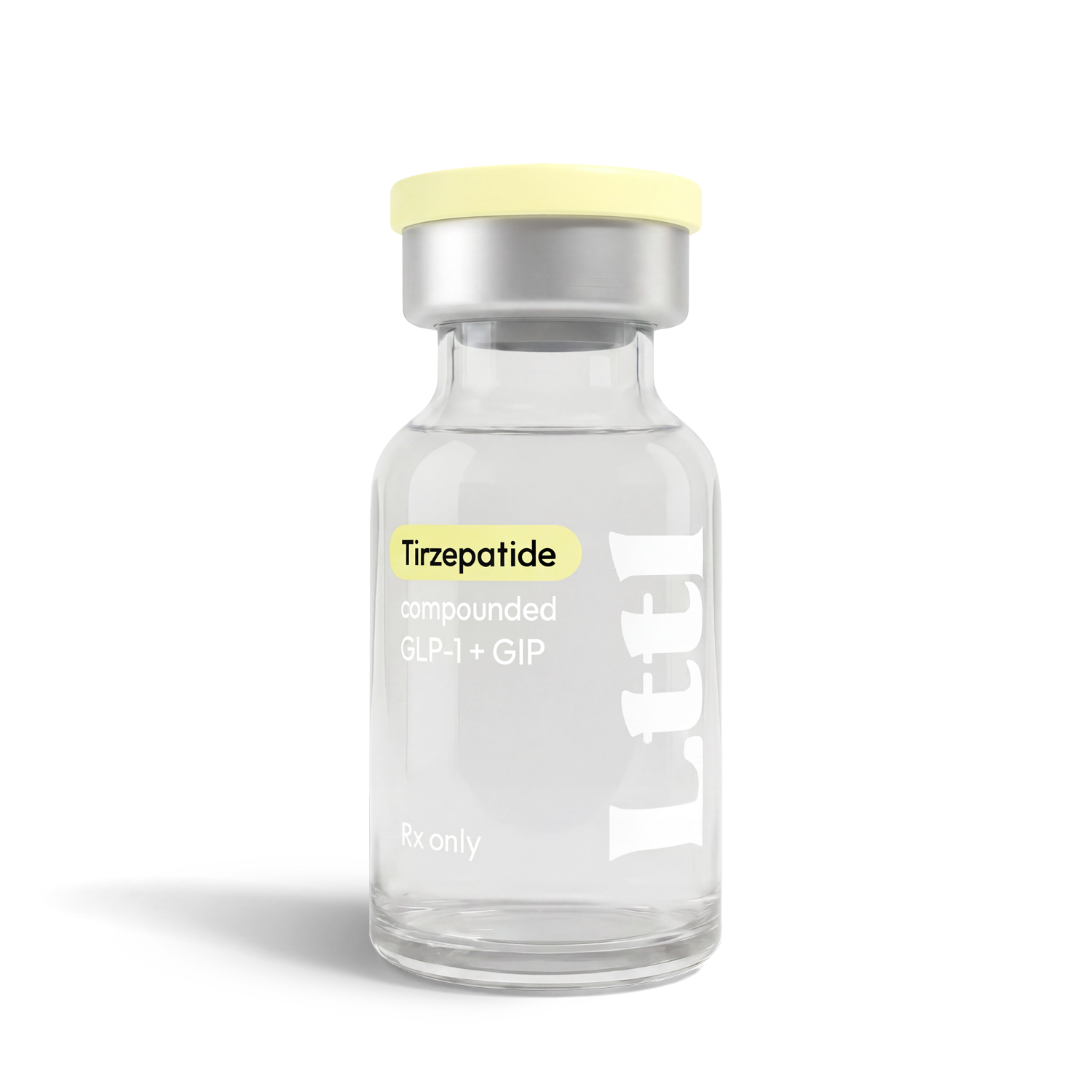




If you’ve spent any time searching for GLP-1 weight loss options online, you already know the experience. One tab has a telehealth company promising easy access and affordable pricing. Another has an FDA warning about counterfeit vials. A third has a Reddit thread where half the comments are encouraging and half are alarming. By the time you close your laptop, you’re no more certain than when you started.
This article is an attempt to cut through that noise. Not to sell you on compounded GLP-1s and not to scare you away from them, but to give you an honest picture of what compounding actually means, what changed in the regulations over the past two years, and what to look for before trusting any online provider with your health.
The Short Version (If You're in a Hurry)
Compounded medications are custom-prepared by a licensed pharmacy, not mass-manufactured by a giant pharmaceutical company. They’re legal under specific circumstances, but they aren’t FDA-approved, and the FDA doesn’t independently verify their safety or potency before they reach a patient.
The rules changed significantly in 2025. Once the FDA declared the semaglutide shortage resolved, most pharmacies lost their legal basis for compounding what amounted to copies of the approved drug. Tirzepatide’s shortage resolved on a similar timeline. Legitimate compounding today is narrower and more individualized than it was in 2023 and 2024.
Dosing errors are the biggest documented risk, not the medications themselves. The FDA has flagged cases in which patients accidentally administered doses ten to twenty times the prescribed amount by making mistakes while drawing medication from a multidose vial. In 2024, 95% of adverse events tied to GLP-1s were related to dosing or administration errors.
So, here are the clearest red flags: no real medical intake, no named prescribing clinician, and no way to verify that the pharmacy is actually licensed.
Why So Many Patients Moved to Telehealth
Brand-name GLP-1s can list for over $1,000 a month without insurance, and many plans still don’t cover weight-loss indications at all. That price gap, combined with the convenience of never having to visit an office, is why millions of patients have turned to telehealth for prescription weight management over the past several years.
For a long stretch, that growth ran alongside a genuine, FDA-documented supply problem. Semaglutide was added to the FDA’s drug shortage list in 2022, followed by tirzepatide, as demand for Ozempic, Wegovy, Mounjaro, and Zepbound outpaced what manufacturers could produce. During an official shortage, federal law allows licensed pharmacies to compound a version of a drug that would otherwise be considered essentially a copy of the approved product. That legal exception was the foundation the compounded GLP-1 industry was built on.
What fewer people realize is that this foundation has since shifted considerably. Understanding the current rules, and not the 2023 rules, matters when evaluating any provider today.
What Is Actually in the Vial?
A compounded medication is one a licensed pharmacy prepares for an individual patient, rather than a finished product manufactured in a factory and approved by the FDA. Compounding itself is a long-standing, legitimate part of pharmacy practice. It’s how patients get liquid versions of pills they can’t swallow, allergen-free formulations, or dosages a manufacturer doesn't produce.
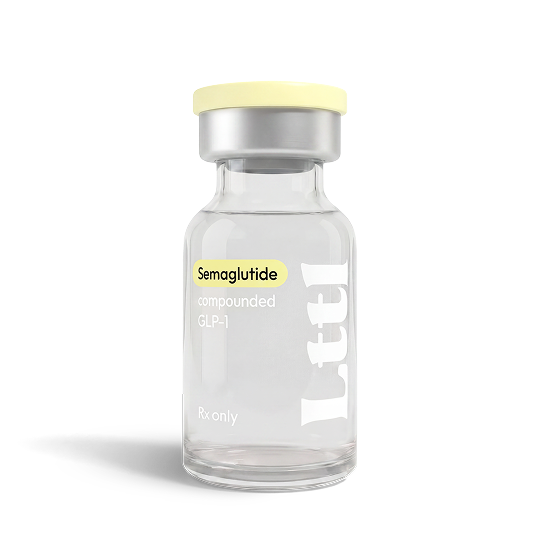
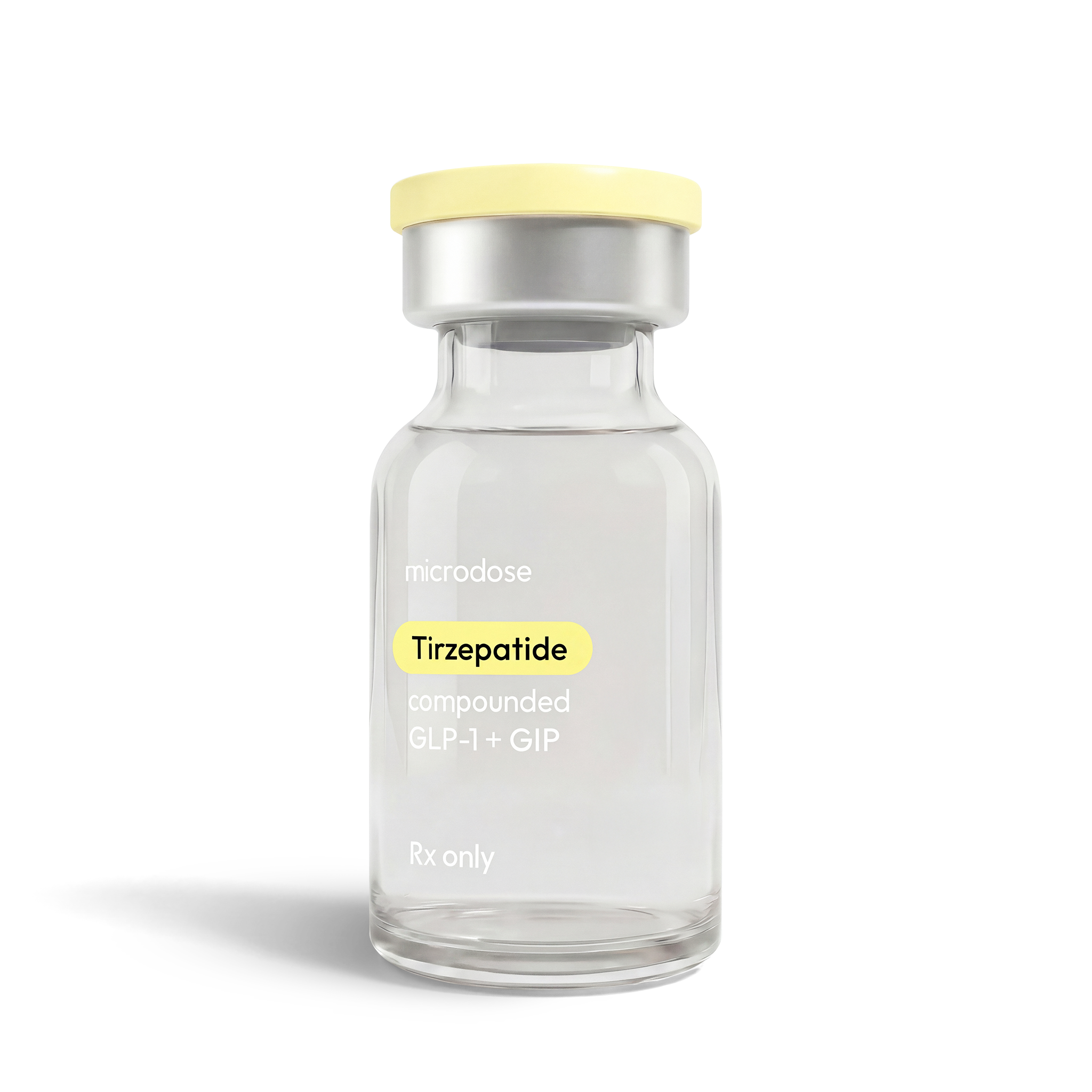
For GLP-1s, compounded semaglutide or compounded tirzepatide typically means a pharmacy has prepared the active pharmaceutical ingredient into an injectable solution itself, rather than dispensing a pre-filled factory pen.
Here is how the two options compare:
- FDA approval — Brand-name: Approved after clinical trials · Compounded: Not all brands are FDA-approved or independently tested
- Manufacturing — Brand-name: Factory-produced, standardized batch testing · Compounded: Prepared by a pharmacy
- Dosage form — Brand-name: Pre-filled, single-dose pens · Compounded: Sometimes multidose vials requiring self-measured doses
- Legal basis — Brand-name: Standard drug approval pathway · Compounded: Narrow exceptions under Section 503A or 503B
- Cost — Brand-name: Often $1,000+/month without insurance · Compounded: Typically $150–$300/month
That multidose vial difference deserves more attention than it usually gets. In July 2024, the FDA warned that patient inexperience with measuring and self-administering injectable compounded semaglutide had led to patients receiving five to twenty times the intended dose. Unfamiliarity with drawing medication from a vial into a syringe, combined with confusion between different units of measurement, contributed to errors that resulted in severe nausea, vomiting, and hypoglycemia, sometimes requiring prolonged observation given semaglutide's roughly one-week half-life.
There’s also a chemistry issue worth knowing about. The FDA has noted that some products sold as semaglutide may actually be salt forms (semaglutide sodium or semaglutide acetate), which are different active ingredients than the ones in FDA-approved drugs, with no known lawful basis for their use in compounding. This is why the pharmacy sourcing your medication matters as much as the prescription itself.
503A vs. 503B: What the Designations Actually Mean
Nearly every legitimate compounding pharmacy operates under one of two sections of federal law, and the distinction matters more than most patients realize.
503a pharmacies are traditional compounding pharmacies. They compound based on valid prescriptions for individual patients and are regulated primarily by state boards of pharmacy. Think of a 503a pharmacy as making one custom preparation specifically for you, following USP quality standards.
503b outsourcing facilities are a newer category, created after a fungal meningitis outbreak traced to a compounder that had produced large volumes of medication without adequate oversight. They can prepare drugs in bulk for hospitals and clinics, and are held to the same stringent manufacturing standards applied to drug manufacturers, including process validation and batch testing requirements that don’t apply to 503a pharmacies.
Both categories leaned on the drug-shortage exception that allowed compounding essentially-a-copy products while the approved versions were officially in shortage. Once those shortages were declared resolved, that legal basis largely disappeared. Legitimate compounding today requires a documented, patient-specific clinical reason (such as an allergy to an inactive ingredient or a needed dosage-form change) that the commercial product can’t meet.
In April 2026, the FDA went further, proposing to exclude semaglutide, tirzepatide, and liraglutide from the 503b Bulks List altogether, on the basis that there’s no longer a clinical need for outsourcing facilities to compound these drugs from bulk substances. The sprawling compounded GLP-1 market of 2023 and 2024 has narrowed considerably. Any provider still offering compounded GLP-1s should be able to explain the specific, legitimate clinical basis they're operating under … and if they can’t, that’s worth taking seriously.
Five Things to Check Before Trusting a Provider
The difference between a legitimate telehealth clinic and a storefront selling injectable medications with minimal oversight often comes down to a handful of observable details.
- Is there a real medical intake and not just a shopping cart? A legitimate provider asks about your health history, medications, allergies, and relevant conditions before prescribing. If you can complete a checkout without ever answering a health questionnaire, move on. It might be easier, but you may have serious questions about the legitimacy of the prescription you receive.
- Is a named, licensed clinician reviewing your case? Trustworthy platforms disclose who is prescribing your medication and what their qualifications are. If no physicians or nurse practitioners are identified anywhere on the site, that’s a meaningful gap.
- Is the pharmacy identified and verifiable? Ask which pharmacy compounds the medication and whether it operates as a 503a or 503b facility. The National Association of Boards of Pharmacy offers a Digital Pharmacy Accreditation program that helps patients distinguish legitimate online pharmacies from unsafe ones. Their Not Recommended list and LegitScript are also worth checking before placing an order.
- Does the dosing format match what a first-time patient can safely use? Given how many documented errors trace back to multidose vials and self-measured doses, ask exactly how your medication arrives and what instructions and support come with it.
- Are you being given information or sold urgency? Countdown timers, “limited supply” messaging, and language that emphasizes benefits while glossing over risks are signals worth paying attention to. Medical decisions made under artificial time pressure tend to be worse ones.
For your own safety, hold any provider to that five-point checklist. Including us.
The Lttl Approach
We built Lttl’s model around the checklist you see above, because it reflects the standard we’d want as patients ourselves.
Every assessment is reviewed by a licensed clinician before anything is prescribed, including the option to decline treatment when it isn’t appropriate. Our medical advisory board includes a licensed clinical pharmacist, board-certified nurse practitioners, and a doctor of physical therapy, all of whom review protocols on an ongoing basis. We partner exclusively with state-licensed 503a compounding pharmacies that source their active pharmaceutical ingredients (APIs) from FDA-registered manufacturers. Understand that compounded medications produced in FDA-registered facilities are not FDA-approved and haven't been independently evaluated by the FDA for safety, efficacy, or quality. We say that plainly because it’s true and because patients deserve to know it.
But you should also know that those active pharmaceutical ingredients are accompanied by a valid Certificate of Analysis, which verifies the APIs’ quality and compliance with regulatory standards. And since Lttl is LegitScript certified, you can verify all of this through LegitScript’s public directory.
We also offer unlimited access to our care team for dosing questions and plan adjustments, because the documented risks with compounded GLP-1s cluster around administration and dosing, not the initial prescription decision.
When to Contact a Doctor
Compounded GLP-1s carry the same general side-effect profile as their brand-name counterparts (nausea, vomiting, diarrhea, constipation) and most people manage them without serious incident. The following warrant prompt medical attention:
- Symptoms suggesting a dosing error: severe or persistent vomiting, dizziness, fainting, confusion, or signs of low blood sugar (shakiness, sweating, rapid heartbeat), especially if you're uncertain whether you measured correctly.
- Severe abdominal pain, particularly pain that radiates to your back, which can signal pancreatitis.
- Signs of a gallbladder problem: upper right abdominal pain, fever, or yellowing of the skin or eyes.
- Allergic reaction symptoms: swelling of the face, lips, tongue, or throat, difficulty breathing, or a widespread rash.
- Do not use semaglutide or tirzepatide if you or a family member has had medullary thyroid carcinoma, a type of thyroid cancer, or if you have Multiple Endocrine Neoplasia syndrome type 2 (MEN2). Tell your clinician about this history before starting treatment.
- Do not use an injectable GLP-1 medication that arrives warm or without enough refrigeration to maintain the required shipping temperature. Contact the pharmacy or prescriber before using it.
If you suspect an overdose or serious reaction, contact your prescriber immediately or go to an emergency room. Adverse events can be reported directly to the FDA's MedWatch program.
Bibliography
- U.S. Food and Drug Administration. (April 1, 2026). FDA clarifies policies for compounders as national GLP-1 supply begins to stabilize. https://www.fda.gov/drugs/drug-alerts-and-statements/fda-clarifies-policies-compounders-national-glp-1-supply-begins-stabilize
- U.S. Food and Drug Administration. (Updated July 29, 2025). FDA's concerns with unapproved GLP-1 drugs used for weight loss. https://www.fda.gov/drugs/postmarket-drug-safety-information-patients-and-providers/fdas-concerns-unapproved-glp-1-drugs-used-weight-loss
- U.S. Food and Drug Administration. (July 26, 2024). FDA alerts health care providers, compounders and patients of dosing errors associated with compounded injectable semaglutide products. https://www.fda.gov/drugs/human-drug-compounding/fda-alerts-health-care-providers-compounders-and-patients-dosing-errors-associated-compounded
- U.S. Food and Drug Administration. (Updated April 30, 2026). Human drug compounding policies and rules. https://www.fda.gov/drugs/human-drug-compounding/human-drug-compounding-policies-and-rules
- Stanford Medicine. (July 2026). Compounded GLP-1s: Why doctors worry and the FDA is cracking down.
- Drug Information Group, University of Illinois Chicago. (2025). What are the safety concerns regarding compounded GLP-1 receptor agonists?
- National Association of Boards of Pharmacy. (Updated annually). RogueRx activity reports.
- McDermott Will & Emery. (Feb. 24, 2025). Semaglutide shortage resolved.
- Pharmacy Times. (May 2026). FDA moves to permanently close the door on compounded GLP-1s.
- The FDA Group. (2024). 503A vs. 503B: A quick guide to compounding pharmacy designations & regulations.
This article is for informational purposes only and does not constitute medical advice. Always consult a licensed healthcare provider before starting or changing any medication. Compounded medications are not FDA-approved and have not been evaluated by the FDA for safety, efficacy, or quality.



.svg)

.svg)