


GLP-1 (glucagon-like peptide-1) and GIP (glucose-dependent insulinotropic polypeptide) are both natural incretin hormones released by your intestines after you eat. These hormones help to manage blood sugar and stimulate insulin release, but they do so in different ways. For those researching weight-loss options, it's important to understand how each of these hormones works, especially since GLP-1 and GIP receptor agonists are being increasingly prescribed by doctors and clinicians.
GLP-1 vs. GIP: Quick Comparison
| GLP-1 (Glucagon-Like Peptide-1) | GIP (Glucose-Dependent Insulinotropic Polypeptide) | |
|---|---|---|
| What it is | A hormone produced naturally after eating; also the target of GLP-1 receptor agonist medications | A hormone produced naturally after eating; also the target of GIP receptor agonist medications |
| Primary role in the body | Signals satiety, slows gastric emptying, stimulates insulin release, suppresses glucagon | Stimulates insulin release, influences energy metabolism and fat storage |
| Medications targeting this pathway | Semaglutide (Wegovy, Ozempic, Rybelsus); liraglutide (Victoza, Saxenda) and others | Tirzepatide (Zepbound, Mounjaro): activates both GIP and GLP-1 simultaneously |
| FDA-approved weight management drug | Wegovy (semaglutide 2.4 mg); compounded semaglutide via telehealth | Zepbound (tirzepatide up to 15 mg); compounded tirzepatide via telehealth |
| Average weight loss (no diabetes) | ~15% body weight (STEP 1, semaglutide 2.4 mg, 68 weeks) | ~22.5% body weight (SURMOUNT-1, tirzepatide 15 mg, 72 weeks) |
| Common side effects | Nausea, diarrhea, vomiting, constipation, abdominal pain | Nausea, diarrhea, vomiting, constipation, abdominal pain |
| Boxed warning | Thyroid C-cell tumor risk (GLP-1 receptor agonists) | Thyroid C-cell tumor risk (tirzepatide) |
| Key distinction | Targets one hormonal pathway | Targets two hormonal pathways simultaneously |
What Is GLP-1?
GLP-1, or glucagon-like peptide-1, is a hormone your body produces naturally (primarily in cells lining the small intestine) in response to eating. It plays several roles in regulating what happens after a meal: signaling fullness to the brain, slowing the rate at which the stomach empties, stimulating insulin release from the pancreas, and suppressing glucagon, the hormone that tells the liver to release stored glucose.
While naturally occurring GLP-1 breaks down within minutes, pharmaceutical researchers developed GLP-1 receptor agonists: medications that mimic and sustain those effects far longer than the body's own hormone does. The most clinically significant of these for weight management is semaglutide, the active ingredient in Wegovy (approved for weight management) and Ozempic (approved for type 2 diabetes). Other GLP-1 receptor agonists include liraglutide and dulaglutide, though semaglutide is one of the most extensively studied GLP-1 receptor agonists for weight management.
When people talk about GLP-1 medications, they're referring to this class: drugs that activate GLP-1 receptors to produce sustained appetite suppression, improved blood sugar control, and meaningful weight loss.
What Is GIP?
GIP, or glucose-dependent insulinotropic polypeptide, is another hormone produced after eating: this one primarily in the upper small intestine. Like GLP-1, it stimulates insulin release in a glucose-dependent way. Beyond that, GIP plays roles in energy metabolism, fat storage, and potentially in how the brain processes food-related signals, though the full picture of GIP's physiological function is still being clarified by ongoing research.
For most of the history of incretin hormone research, GIP was considered a less promising therapeutic target than GLP-1. Early thinking held that GIP receptor activation might actually promote fat storage rather than reduce it. That turned out to be more complicated than initially assumed. In fact, tirzepatide, which activates both GIP and GLP-1 receptors simultaneously, has produced weight loss results in clinical trials that significantly exceeded what GLP-1-only medications achieved in comparable populations.
No medication currently activates GIP receptors alone for weight management. The only approved drugs targeting GIP receptors are dual agonists (tirzepatide being the most clinically significant), which engage both pathways at once.
How Do GLP-1 and GIP Work?
In tirzepatide, the mechanisms of GLP-1 and GIP don't compete. They complement each other. But understanding what each pathway contributes can help explain why dual agonism produces different clinical outcomes than GLP-1 activation alone. That is to say, why tirzepatide has produced different results in clinical trials than semaglutide.
What GLP-1 receptor activation does:
Reduces food noise (the persistent mental preoccupation with eating that many patients identify as their primary obstacle to weight management) through sustained signaling in brain regions involved in hunger and reward processing
Slows gastric emptying, extending the physical sensation of fullness between meals and reducing total caloric intake
Stimulates insulin release in a glucose-dependent manner and suppresses glucagon, stabilizing blood sugar after meals
Produces meaningful appetite suppression and, at sufficient doses, clinically significant weight loss
What GIP receptor activation adds, specifically in the context of dual agonism:
GIP receptors in the pancreas amplify insulin secretion beyond what GLP-1 activation alone produces, contributing to more robust blood sugar control
GIP receptors in the brain may influence reward processing and food intake through pathways distinct from GLP-1, potentially contributing to the stronger appetite suppression observed with tirzepatide
GIP's role in fat metabolism appears to shift in the context of dual agonism; rather than promoting fat storage as earlier research suggested it might, GIP receptor activation alongside GLP-1 appears to support fat mobilization and greater energy expenditure
The combined effect on appetite and metabolism appears to produce more pronounced weight loss than GLP-1 activation alone, which is consistent with tirzepatide's trial results
The practical implication: The difference between GLP-1-only medications and dual GLP-1/GIP agonists isn't just pharmacological terminology. It translates to a measurable difference in average weight loss outcomes in clinical trials: approximately 15% for semaglutide versus approximately 22.5% for tirzepatide in adults without diabetes. That said, these are average outcomes in broad clinical trials, so individual experiences can vary.
How Do Weight Loss Results Compare?
Recently, the SURMOUNT-5 trial directly compared tirzepatide with semaglutide in adults with obesity without type 2 diabetes. At 72 weeks, mean weight loss was 20.2% with tirzepatide and 13.7% with semaglutide. Earlier evidence also included SURPASS-2, which compared tirzepatide with semaglutide 1 mg in adults with type 2 diabetes.
| Trial | Drug / Mechanism | Population | Duration | Average Weight Loss |
|---|---|---|---|---|
| STEP 1 | Semaglutide 2.4 mg (GLP-1 only) | Adults with obesity or overweight, no diabetes | 68 weeks | ~15% body weight |
| STEP 2 | Semaglutide 2.4 mg (GLP-1 only) | Adults with obesity/overweight and type 2 diabetes | 68 weeks | ~9.6% body weight |
| SELECT | Semaglutide 2.4 mg (GLP-1 only) | Adults with obesity/overweight and established CV disease | ~40 months | ~9.4% body weight |
| SURMOUNT-1 | Tirzepatide 15 mg (dual GLP-1/GIP) | Adults with obesity or overweight, no diabetes | 72 weeks | ~22.5% body weight |
| SURMOUNT-2 | Tirzepatide 15 mg (dual GLP-1/GIP) | Adults with obesity/overweight and type 2 diabetes | 72 weeks | ~15.7% body weight |
| SURPASS-2 | Tirzepatide vs. semaglutide 1 mg (both in T2D patients) | Adults with type 2 diabetes | 40 weeks | Greater weight loss with tirzepatide; primary endpoint was HbA1c |
The consistent pattern across these trials is that dual GLP-1/GIP agonism produces greater average weight loss than GLP-1 agonism alone in comparable populations. The mechanistic explanation (additional GIP receptor activation amplifying appetite suppression and energy metabolism effects) is supported by the trial data, though researchers continue to study exactly how the two pathways interact.
Individual results vary considerably around these trial averages for both medications. Some patients lose significantly more than the average; others respond more modestly. The averages describe populations, not predictions for any specific patient.
Side Effects and Safety Differences
Both GLP-1-only medications (semaglutide) and dual GLP-1/GIP agonists (tirzepatide) produce GI side effects through the same primary mechanism: slowed gastric emptying. Tirzepatide and semaglutide side effect profiles are broadly similar, and the major safety warnings overlap significantly.
| GLP-1 Agonists (semaglutide) | Dual GLP-1/GIP Agonists (tirzepatide) | |
|---|---|---|
| Most common GI effects | Nausea (~44% at Wegovy 2.4 mg), diarrhea (~30%), vomiting (~24%), constipation (~24%) | Nausea (~25-29%), diarrhea (~19-23%), constipation (~11-17%), vomiting (~8-13%) |
| Severe GI reactions | Reported postmarketing; not recommended in severe gastroparesis | Same warning |
| Thyroid C-cell tumor warning | Boxed warning; contraindicated in MTC/MEN2 history | Same boxed warning |
| Pancreatitis | Acute pancreatitis including fatal cases observed | Same warning; including fatal and non-fatal hemorrhagic cases |
| Gallbladder disease | Cholelithiasis and cholecystitis reported | Same warning |
| Diabetic retinopathy | Worsening observed with rapid glucose improvement; monitor patients with history | Same monitoring recommendation |
| Suicidal behavior and ideation | Warning removed from Wegovy label January 2026; removed from Zepbound label February 2026 | Same, removed following same FDA review |
| Hypoglycemia risk | Low alone; higher with insulin or sulfonylureas | Same pattern; sulfonylurea combination produced hypoglycemia in ~10.3% vs. ~2.1% without sulfonylurea in SURMOUNT-2 |
| Oral contraceptive interaction | No specific loss-of-efficacy warning for oral hormonal contraceptives in the Wegovy label. | May reduce the effectiveness of oral hormonal contraceptives. Use a non-oral contraceptive method or add a barrier method for 4 weeks after starting treatment and for 4 weeks after each dose increase. |
| Hair loss | ~3% in Wegovy trials; associated with weight loss | ~4-5% in Zepbound trials; same association; more common in female patients |
| Injection site reactions | Occasionally reported | ~6-8% in Zepbound trials |
The nausea rates in clinical trials are higher for semaglutide at its weight management dose (~44%) than for tirzepatide (~25-29%). This likely reflects semaglutide's faster titration schedule (reaching maintenance dose in approximately 16 weeks compared to tirzepatide's 20 weeks) rather than a fundamental difference in tolerability between the two pathways.
Dosing, Administration and Treatment Experience
Both medication classes are available as once-weekly subcutaneous injections for weight management: semaglutide as Wegovy or compounded semaglutide, tirzepatide as Zepbound or compounded tirzepatide.
Semaglutide also offers an oral option. Wegovy is available as a once-daily 25 mg oral tablet: an administration route tirzepatide doesn't currently offer.
Titration schedules differ. Semaglutide (Wegovy) escalates through 0.25 mg, 0.5 mg, 1 mg, and 1.7 mg before reaching 2.4 mg maintenance over approximately 16 weeks. Tirzepatide (Zepbound) starts at 2.5 mg and increases in 2.5 mg increments every four weeks, reaching maintenance at 5 mg, 10 mg, or 15 mg over approximately 20 weeks. Tirzepatide's slower titration may reduce early GI side effect intensity for some patients.
Maintenance doses are not comparable across medications. Semaglutide's 2.4 mg is a different molecule at a different dose than tirzepatide's 15 mg: these numbers reflect different molecular structures and dose-finding processes, not relative potency on a shared scale.
Missed dose windows differ. For semaglutide (Wegovy) injection, take a missed dose if the next scheduled dose is more than 48 hours away; otherwise skip it. If 2 or more weekly doses have been missed, follow the prescribing information or contact your clinician about restarting. Wegovy tablets use different missed-dose instructions: skip the missed tablet and resume the regular daily schedule. For tirzepatide (Zepbound), the window is four days (96 hours): an important practical difference patients should know before starting either.
Both require ongoing clinical oversight. Dose titration, side effect management, hydration, protein intake, and monitoring for serious symptoms are part of responsible treatment with either class of medication.
Cost, Insurance and Availability
Brand-name semaglutide (Wegovy) and tirzepatide (Zepbound) both carry list prices over $1,000 per month without insurance. Coverage for weight management indications is inconsistent across plans: many employer-sponsored plans exclude these medications from their formularies despite FDA approval, and prior authorization is commonly required. The Medicare GLP-1 Bridge program, which began July 1, 2026, allows eligible Part D beneficiaries access to certain GLP-1 medications for weight management, including Wegovy and Zepbound, through December 31, 2027.
The access gap between brand-name pricing and what most patients can afford without insurance is significant, and it's the primary reason compounded versions of both active ingredients have become a meaningful part of the weight management landscape.
Lttl: Safe, Affordable Access to Both Pathways
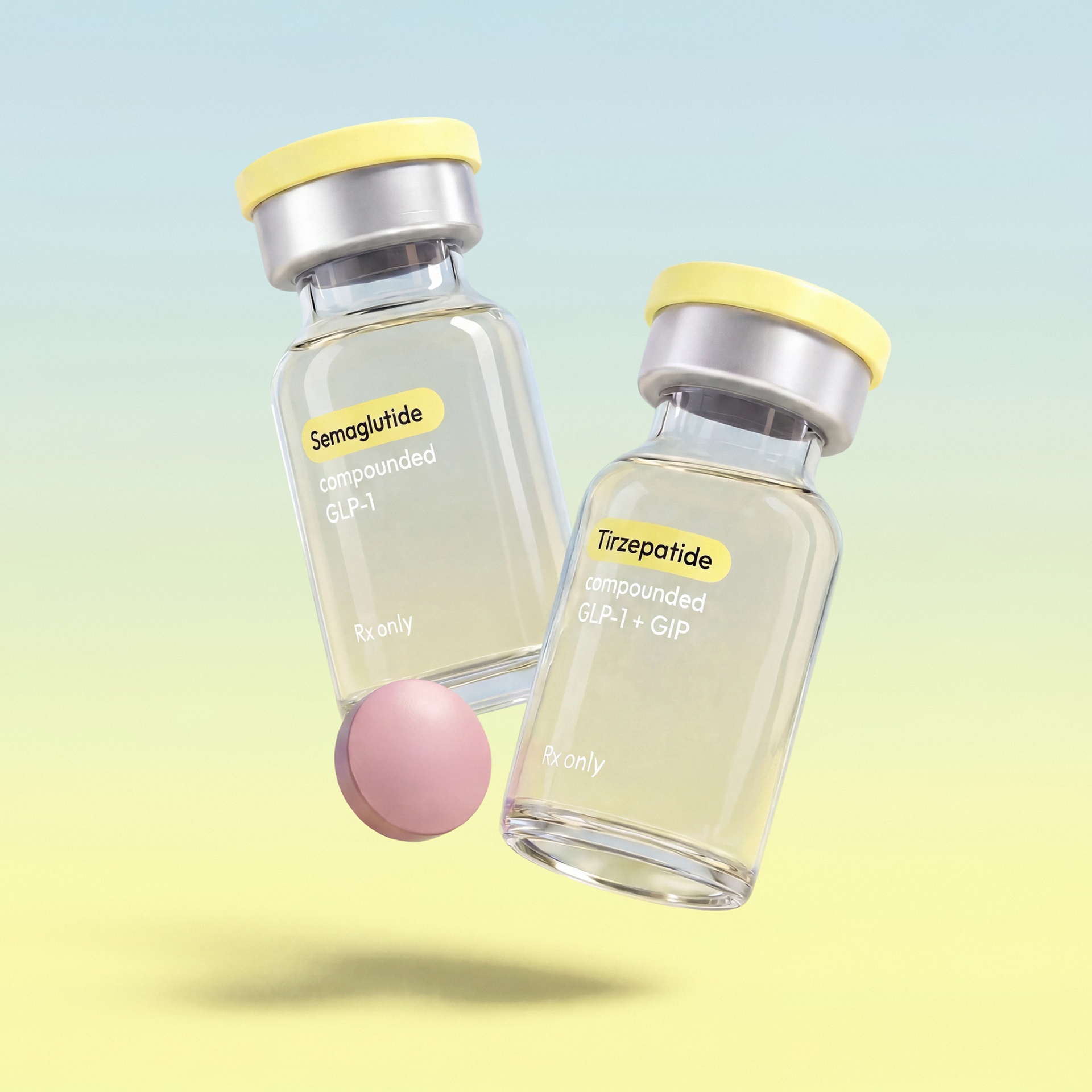
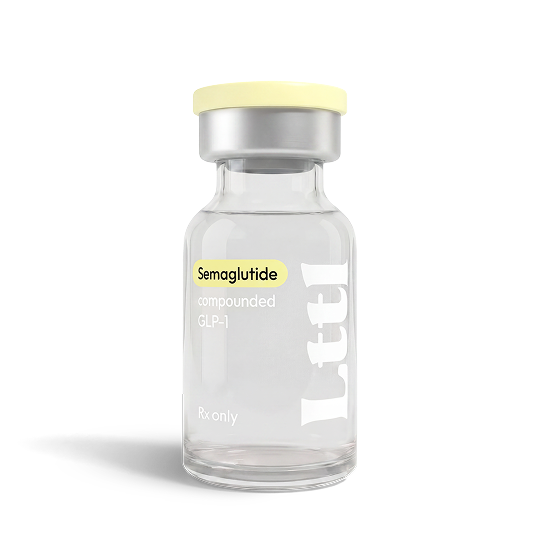
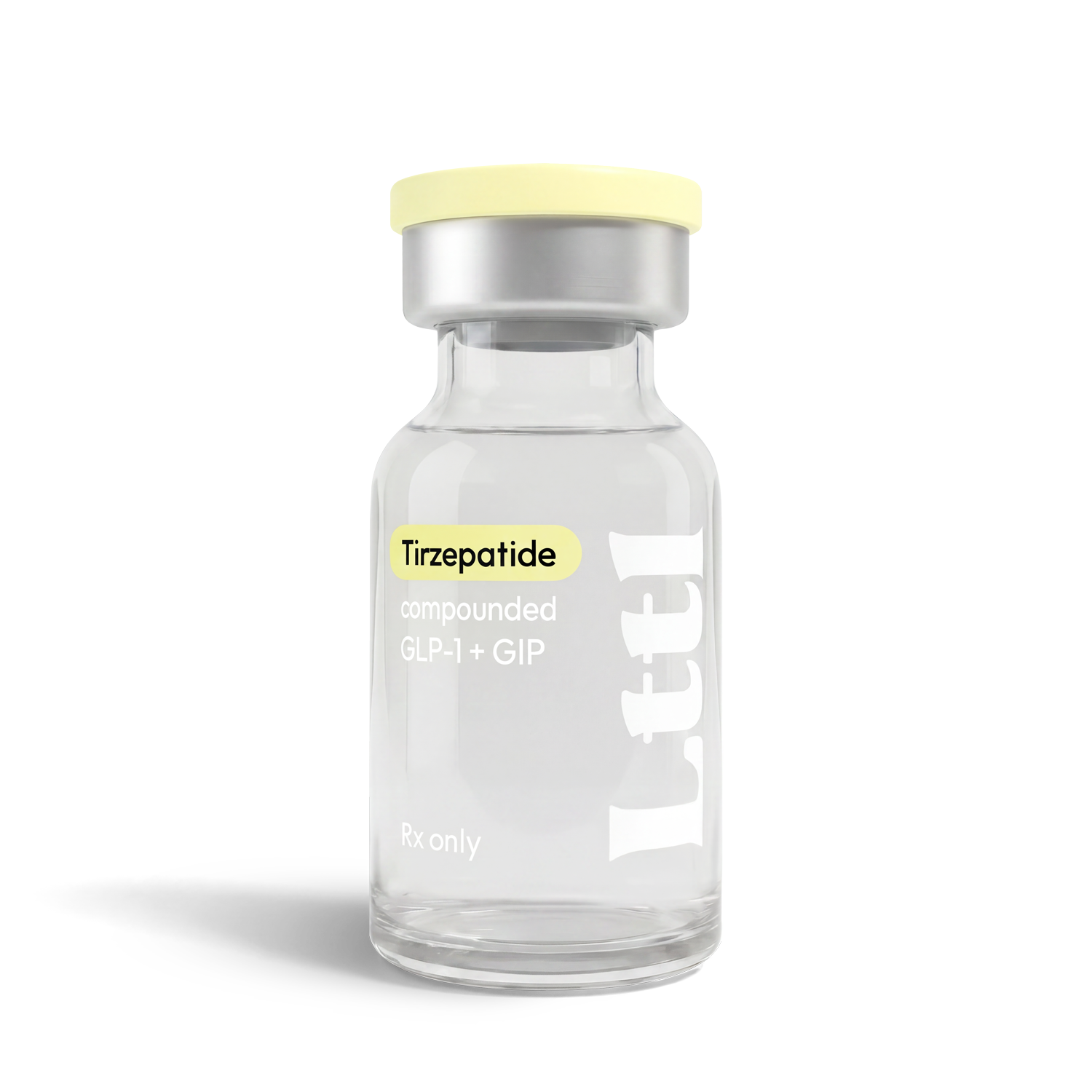
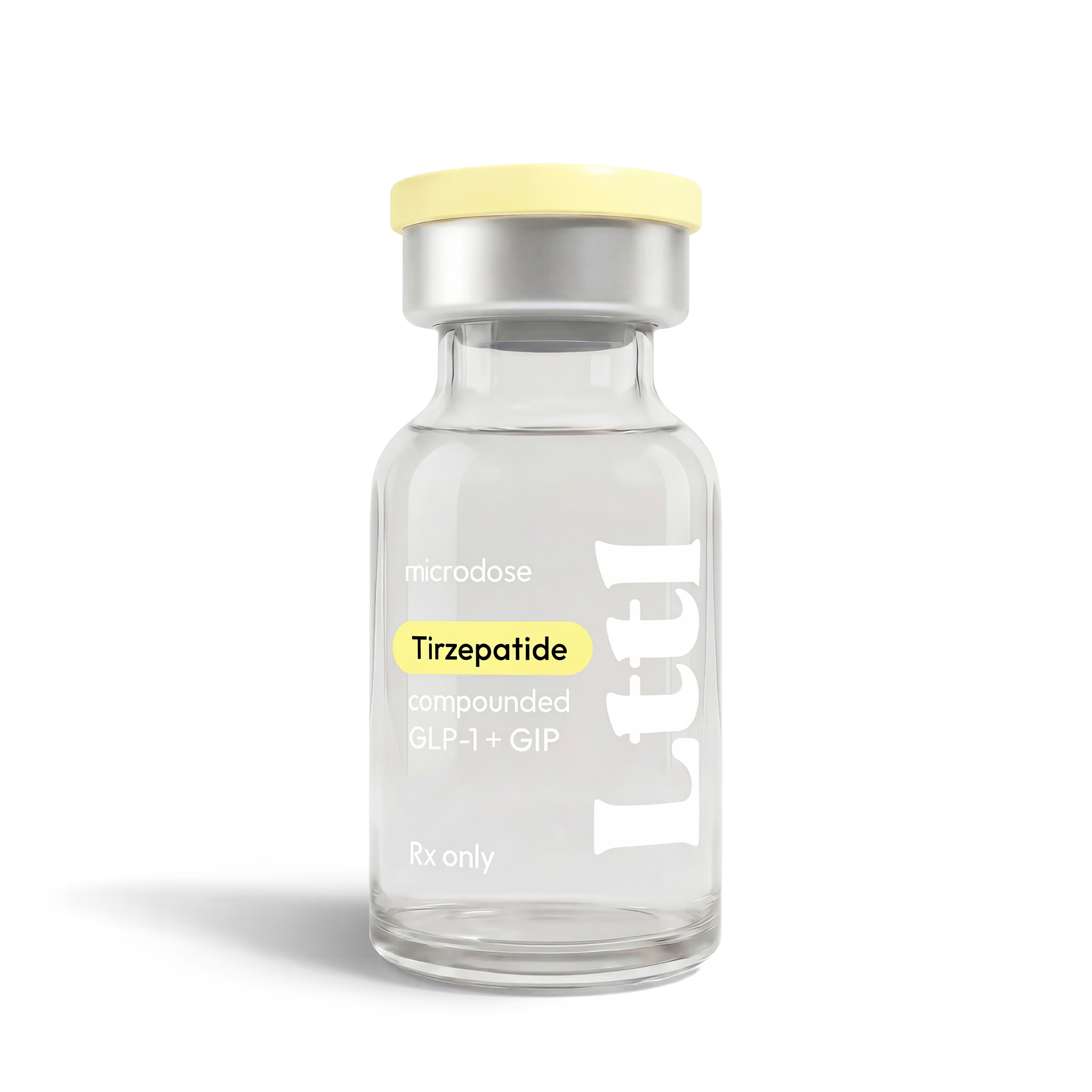
Lttl offers compounded versions of both semaglutide and tirzepatide through a clinician-supervised telehealth program, giving patients access to both GLP-1-only and dual GLP-1/GIP treatment pathways at significantly lower price points than brand-name products.
Compounded semaglutide is currently available through Lttl at $89 per month, all-inclusive. Compounded tirzepatide is currently available at $139 per month, all-inclusive. That means, both prices cover medication, licensed clinician oversight, unlimited care team access, dose adjustments, and shipping, with no hidden fees and no price change as your dose increases during titration.
Compounded semaglutide and tirzepatide are not FDA-approved and have not been independently evaluated by the FDA for safety, efficacy, or quality. Lttl works exclusively with state-licensed 503A compounding pharmacies sourcing active pharmaceutical ingredients from FDA-registered manufacturers. Every order ships with a Certificate of Analysis verifying purity and potency. Every prescription is written by a licensed clinician who has reviewed your health history individually, not an algorithm.
Which May Be More Appropriate: GLP-1 or Dual GLP-1/GIP?
This is a clinical determination, not a product preference exercise. A few factors that typically inform the decision between GLP-1-only and dual GLP-1/GIP approaches:
Weight loss goals. Trial data consistently shows greater average weight loss with dual GLP-1/GIP agonism (tirzepatide) than GLP-1 agonism alone (semaglutide) in comparable populations: approximately 22.5% versus 15% in adults without diabetes. For patients where maximizing weight loss is the primary goal, this difference is worth discussing with a clinician.
Prior response to GLP-1 therapy. Patients who have used semaglutide and achieved adequate results may have no clinical reason to switch. Patients who haven't responded adequately at the maximum tolerated dose of a GLP-1-only medication may benefit from a dual agonist's additional mechanism.
Tolerability. Individual responses to both pathways vary. Some patients tolerate one medication better than another for reasons that aren't always predictable in advance. Titration pace, meal habits, and individual physiology all factor in.
Cardiovascular history. Wegovy (semaglutide) has an FDA-approved cardiovascular outcomes indication for adults with obesity or overweight and established CV disease (supported by the SELECT trial). Zepbound (tirzepatide) does not currently carry this indication for patients without diabetes.
Oral administration preference. Wegovy is available as a once-daily oral tablet. Zepbound is currently injection-only. For patients who strongly prefer not to inject, GLP-1-only semaglutide offers a clinically evaluated option that tirzepatide doesn't.
Adolescent patients. Wegovy injection is approved for patients aged 12 and older with obesity. Zepbound is approved for adults only.
Cost and access. For patients without adequate insurance coverage, the price difference between compounded semaglutide ($89/month through Lttl) and compounded tirzepatide ($139/month through Lttl) may be a practical factor in the clinical conversation.
The right pathway for a specific patient depends on their complete health history, clinical goals, prior treatment experience, and coverage situation: all of which a licensed clinician is better positioned to evaluate than a comparison article.
Frequently Asked Questions
What Is the Difference Between a GLP-1 Agonist and a Dual GLP-1/GIP Agonist?
A GLP-1 agonist (like semaglutide) activates GLP-1 receptors only, producing appetite suppression, slowed gastric emptying, and improved blood sugar control through that single hormonal pathway. A dual GLP-1/GIP agonist (like tirzepatide) activates both GLP-1 and GIP receptors simultaneously, engaging a second pathway involved in insulin secretion, energy metabolism, and potentially appetite regulation. The dual mechanism appears to produce more pronounced appetite suppression and greater average weight loss than GLP-1 activation alone.
Does Tirzepatide Work Better Than Semaglutide for Weight Loss?
Clinical trial data consistently shows greater average weight loss with tirzepatide than semaglutide in comparable populations: approximately 22.5% versus 15% in adults without diabetes, across separate trial programs. Whether tirzepatide is better for a specific patient depends on individual response, tolerability, health history, and clinical goals. Some patients achieve excellent outcomes with semaglutide; others may benefit from tirzepatide's dual mechanism. The comparison is about averages, not predictions.
Can I Take a GLP-1 Medication and a GIP Medication Together?
No. The only current approach to targeting both GLP-1 and GIP pathways simultaneously is tirzepatide, which does so within a single molecule. Combining separate GLP-1 and GIP medications is not recommended, and no separate GIP-only medication is currently approved for weight management. Combining tirzepatide with another GLP-1 receptor agonist is also not recommended.
Which Is Better for Someone Who Has Never Tried a GLP-1 Medication Before?
Either semaglutide or tirzepatide can be appropriate as a first medication: the choice depends on individual health history, goals, tolerability considerations, and clinician judgment, not on a hierarchy between them. Patients who want to maximize weight loss potential may discuss tirzepatide's dual mechanism with their clinician as a relevant consideration. Patients who prefer an oral option may lean toward semaglutide's tablet formulation. A licensed clinician can help determine which starting point makes sense for a specific patient.
Are Compounded Semaglutide and Compounded Tirzepatide Safe?
Compounded semaglutide and tirzepatide use the same active pharmaceutical ingredients as their branded counterparts, but are not FDA-approved and have not been independently evaluated by the FDA for safety, efficacy, or quality. Quality depends on the compounding pharmacy and the clinical oversight of the program. Lttl uses state-licensed 503A compounding pharmacies sourcing from FDA-registered manufacturers, with a Certificate of Analysis for every order. Every patient receives an individual clinician evaluation before any prescription is written. As with any medication, appropriate screening, ongoing monitoring, and clinical oversight are essential.
Bibliography
- Drucker, D. J. (2022). GLP-1 physiology informs the pharmacotherapy of obesity. Molecular Metabolism, 57, 101351. https://pubmed.ncbi.nlm.nih.gov/34626851/
- Wilding, J. P. H., Batterham, R. L., Calanna, S., Davies, M., Van Gaal, L. F., Lingvay, I., McGowan, B. M., Rosenstock, J., Tran, M. T. D., Wadden, T. A., Wharton, S., Yokote, K., Zeuthen, N., & Kushner, R. F. (2021). Once-weekly semaglutide in adults with overweight or obesity. New England Journal of Medicine, 384(11), 989-1002. https://www.nejm.org/doi/full/10.1056/NEJMoa2032183
- Jastreboff, A. M., Aronne, L. J., Ahmad, N. N., Wharton, S., Connery, L., Alves, B., Kiyosue, A., Zhang, S., Liu, B., Bunck, M. C., & Stefanski, A. (2022). Tirzepatide once weekly for the treatment of obesity. New England Journal of Medicine, 387(3), 205-216. https://www.nejm.org/doi/full/10.1056/NEJMoa2206038
- Frías, J. P., Davies, M. J., Rosenstock, J., Pérez Manghi, F. C., Fernández Landó, L., Bergman, B. K., Liu, B., Cui, X., & Brown, K. (2021). Tirzepatide versus semaglutide once weekly in patients with type 2 diabetes. New England Journal of Medicine, 385(6), 503-515. https://www.nejm.org/doi/full/10.1056/NEJMoa2107519
- Lincoff, A. M., Brown-Frandsen, K., Colhoun, H. M., Deanfield, J., Emerson, S. S., Esbjerg, S., Hardt-Lindberg, S., Hovingh, G. K., Kahn, S. E., Kushner, R. F., Lingvay, I., Oral, T. K., Michelsen, M. M., Plutzky, J., Tornøe, C. W., & Ryan, D. H. (2023). Semaglutide and cardiovascular outcomes in obesity without diabetes. New England Journal of Medicine, 389(24), 2221-2232. https://www.nejm.org/doi/full/10.1056/NEJMoa2307563