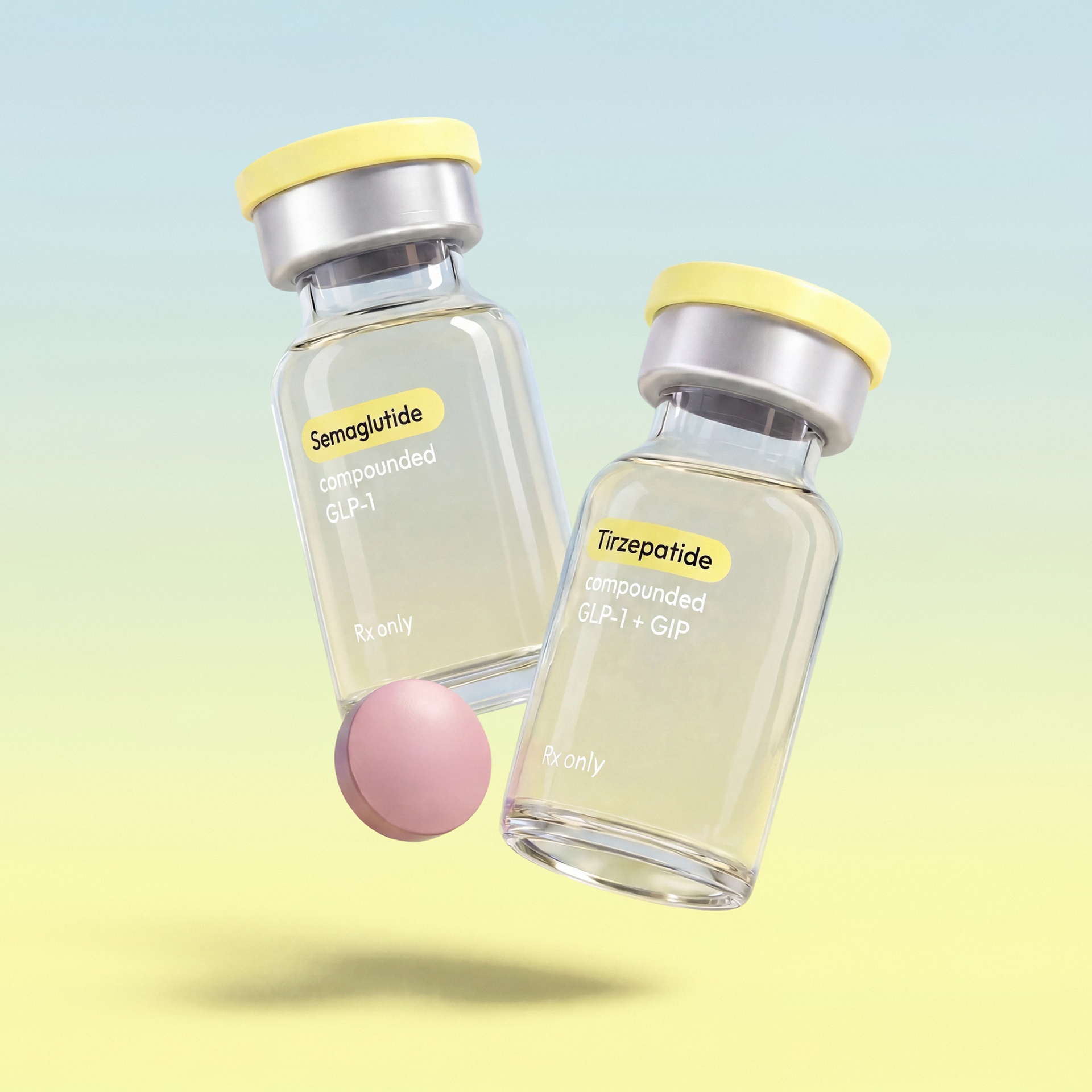



Zepbound and Mounjaro both contain tirzepatide, but they're not the same thing. Yes, they share the same active ingredient, manufacturer, and mechanism, but they're different products approved for different indications at different doses. In this article, we'll break down the similarities and differences between these two medications.
Zepbound vs. Mounjaro: Quick Comparison
| Zepbound | Mounjaro | |
|---|---|---|
| Active ingredient | Tirzepatide | Tirzepatide |
| Manufacturer | Eli Lilly | Eli Lilly |
| FDA-approved indication(s) | Chronic weight management in adults with obesity or overweight with a weight-related comorbidity; moderate to severe obstructive sleep apnea in adults with obesity | Type 2 diabetes mellitus (glycemic control) in adults and pediatric patients 10 years and older; cardiovascular risk reduction in adults with type 2 diabetes and established cardiovascular disease |
| Approved for weight loss | Yes | No (sometimes prescribed off-label) |
| Dosing frequency | Once weekly subcutaneous injection | Once weekly subcutaneous injection |
| Available delivery formats | Single-dose autoinjector pen; single-dose vial; multi-dose vial; single-patient-use KwikPen | Both products are available in several injection presentations, including single-dose and multidose formats and single-patient-use KwikPens. Patients should use the presentation prescribed for them and receive training specific to that device. |
| Maintenance dose range | 5 mg, 10 mg, or 15 mg weekly | 5 mg, 10 mg, or 15 mg weekly |
| Typical titration duration | ~20 weeks to reach 15 mg; 2.5 mg increments every 4 weeks | ~20 weeks to reach 15 mg; 2.5 mg increments every 4 weeks |
| Common side effects | Nausea, diarrhea, vomiting, constipation, abdominal pain | Nausea, diarrhea, vomiting, constipation, abdominal pain |
| Boxed warning | Thyroid C-cell tumor risk (animal studies; human relevance unknown) | Thyroid C-cell tumor risk (animal studies; human relevance unknown) |
| Key evidence | SURMOUNT trials (weight management); SURMOUNT-OSA (sleep apnea) | SURPASS trials (glycemic control); SURPASS-CVOT (cardiovascular outcomes) |
| Access | Prescription required; covered by some insurance plans for weight management | Prescription required; generally covered for type 2 diabetes |
What Is Zepbound?
Zepbound is a brand name, not an active ingredient. The active ingredient is tirzepatide. It's the same molecule as in Mounjaro, but Zepbound is formulated and indicated specifically for weight management and obstructive sleep apnea rather than diabetes care.
Eli Lilly's current Zepbound prescribing label covers two approved indications. First, chronic weight management in adults with a BMI of 30 or higher, or a BMI of 27 or higher with at least one weight-related comorbid condition, used alongside a reduced-calorie diet and increased physical activity. Second, treatment of moderate to severe obstructive sleep apnea in adults with obesity, which is an indication Mounjaro does not share.
Zepbound is available in multiple delivery formats: a single-dose autoinjector pen, single-dose vial, multi-dose vial, and the single-patient-use KwikPen. It is not approved for type 2 diabetes and is not interchangeable with Mounjaro, despite containing the same active ingredient.
What Is Mounjaro?
Mounjaro is also a brand name medication that contains tirzepatide as its active ingredient. The distinction from Zepbound begins with indication: Mounjaro is approved for type 2 diabetes management as an adjunct to diet and exercise to improve glycemic control. As of December 2025, that approval extends to pediatric patients 10 years of age and older, a population Zepbound is not approved for. As of August 2026, Mounjaro also carries an approved indication for reducing the risk of major adverse cardiovascular events in adults with type 2 diabetes and established cardiovascular disease.
Mounjaro does not carry an FDA approval for weight management or obstructive sleep apnea. The weight loss that Mounjaro patients experience is a pharmacological effect of tirzepatide rather than an approved indication of the product. When clinicians prescribe Mounjaro for weight management, that's off-label prescribing (a legitimate clinical judgment, but a meaningful regulatory distinction).
Mounjaro is available as a once-weekly subcutaneous injection, with the same dose range as Zepbound: starting at 2.5 mg and titrating through 5 mg, 7.5 mg, 10 mg, 12.5 mg, and up to 15 mg.
How Do Zepbound and Mounjaro Work?
Both medications activate the same two receptors, GLP-1 (glucagon-like peptide-1) and GIP (glucose-dependent insulinotropic polypeptide), through the same mechanism, because the active ingredient is identical. Unlike the semaglutide-based comparison between Wegovy and Ozempic, where dose differences explain most of the clinical variation, the Zepbound/Mounjaro comparison involves genuinely identical pharmacology at the same dose levels.
Where they are the same (which is most things):
Both activate GLP-1 receptors in the brain, stomach, and pancreas, producing appetite suppression, slowed gastric emptying, and glucose-dependent insulin secretion
Both activate GIP receptors involved in energy regulation, insulin release, and fat metabolism (the dual mechanism that distinguishes tirzepatide from GLP-1-only medications like semaglutide)
Both suppress glucagon and improve post-meal blood sugar stability
Both carry the same contraindications, boxed warning, and major safety considerations
Both follow the same titration schedule and reach the same maintenance dose range
Where the clinical context differs:
Zepbound's dosing and monitoring protocols are optimized for weight management in patients with obesity or overweight; Mounjaro's protocols are optimized for glycemic control in type 2 diabetes
Patients using Mounjaro for diabetes are typically also managing blood glucose with other medications, which affects hypoglycemia risk and monitoring requirements in ways that don't apply to most Zepbound patients
The clinical outcomes being tracked differ: weight and body composition for Zepbound, HbA1c and fasting glucose for Mounjaro, and cardiovascular events for Mounjaro's newest indication
How Do Weight Loss Results Compare?
Because Zepbound and Mounjaro contain the same active ingredient at the same doses, the most relevant comparison isn't between the two products, it's between the populations studied. Tirzepatide produces different weight loss results in patients without diabetes than in patients with type 2 diabetes, and that difference is consistent across trial data.
No head-to-head trial has directly compared Zepbound and Mounjaro for weight loss in the same population. The evidence comes from separate trial programs designed for different primary endpoints.
| Trial Program | Product/Dose | Population | Duration | Average Weight Loss |
|---|---|---|---|---|
| SURMOUNT-1 | Zepbound 15 mg weekly | Adults with obesity or overweight, no diabetes | 72 weeks | ~22.5% body weight |
| SURMOUNT-2 | Zepbound 10-15 mg weekly | Adults with obesity/overweight and type 2 diabetes | 72 weeks | ~15.7% (15 mg arm) |
| SURPASS-1 | Mounjaro 5-15 mg weekly | Adults with type 2 diabetes (monotherapy) | 40 weeks | ~7-9.5 kg (not the primary endpoint) |
| SURPASS-2 | Mounjaro vs. semaglutide 1 mg | Adults with type 2 diabetes | 40 weeks | Weight loss greater with tirzepatide; primary endpoint was HbA1c |
| SURMOUNT-OSA | Zepbound 10-15 mg weekly | Adults with obesity and moderate-to-severe OSA | 52 weeks | ~18-20% body weight |
So, tirzepatide produces more weight loss in patients without diabetes than in patients with it: not because the product is different, but because type 2 diabetes affects metabolic response. A patient with type 2 diabetes on Mounjaro can still experience meaningful weight loss as a secondary effect, but the degree is generally more modest than what SURMOUNT-1 reported.
Side Effects and Safety Differences
Because both products contain the same active ingredient, the tirzepatide side effect profile and major safety warnings are identical. Any differences in clinical experience come from the patient population, the clinical context, and concomitant medications: not from the products themselves.
| Zepbound | Mounjaro | |
|---|---|---|
| Most common GI effects | Nausea (~25-29%), diarrhea (~19-23%), constipation (~11-17%), vomiting (~8-13%) | Nausea, diarrhea, constipation, vomiting (similar profile; rates vary by dose and trial) |
| Severe GI reactions | Severe GI reactions reported postmarketing; not recommended in severe gastroparesis | Same warning applies |
| Thyroid C-cell tumor warning | Boxed warning; contraindicated in MTC/MEN2 history | Same boxed warning |
| Pancreatitis | Acute pancreatitis including fatal and non-fatal cases observed | Same warning |
| Gallbladder disease | Cholelithiasis and cholecystitis reported | Same warning |
| Diabetic retinopathy | Monitor patients with history of diabetic retinopathy | Same monitoring recommendation; particularly relevant given Mounjaro's diabetes population |
| Suicidal behavior and ideation | Warning removed from label in February 2026 following FDA review | Warning removed following same FDA review |
| Hypoglycemia risk | Low when used alone; higher with insulin or sulfonylureas | Higher in diabetes context due to concomitant glucose-lowering medications |
| Oral contraceptive interaction | Switch to non-oral method or add barrier for 4 weeks after starting and after each dose increase | Same recommendation |
| Pregnancy | Discontinue when pregnancy recognized; may cause fetal harm | Pregnancy guidance differs somewhat by product labeling. Zepbound should be discontinued when pregnancy is recognized because weight loss offers no benefit during pregnancy and fetal harm may occur. Mounjaro labeling also notes potential fetal harm based on animal studies. Patients who are pregnant, planning pregnancy, or breastfeeding should discuss tirzepatide use with their prescriber. |
The most meaningful safety difference in practice is hypoglycemia risk. Patients using Mounjaro for diabetes are frequently also taking insulin or sulfonylureas, which significantly increases hypoglycemia risk compared to Zepbound patients who are typically not managing active diabetes with additional glucose-lowering agents. This is especially relevant for the pediatric population now included in Mounjaro's approval.
Dosing, Administration and Treatment Experience
Both are once-weekly subcutaneous injections administered in the abdomen, thigh, or upper arm, on the same day each week.
The titration schedule is identical. Both start at 2.5 mg once weekly and increase in 2.5 mg increments every four weeks: 2.5 mg → 5 mg → 7.5 mg → 10 mg → 12.5 mg → 15 mg. Patients switching between the two products under clinical guidance move through the same dose levels.
Maintenance doses are the same. Both products are maintained at 5 mg, 10 mg, or 15 mg weekly depending on individual response and tolerability. The maximum dose for both is 15 mg weekly.
Delivery format options are similar but not identical. Zepbound offers a multi-dose vial in addition to the single-dose pen, vial, and KwikPen. Mounjaro's August 2026 label update added the KwikPen format, bringing its delivery options closer to Zepbound's, but the multi-dose vial remains a Zepbound-only format. For patients accessing compounded tirzepatide, medication typically arrives in a multidose vial requiring self-measured doses.
Missed dose guidance is the same for both. If the next scheduled dose is more than four days (96 hours) away, take the missed dose as soon as possible. If it's within four days, skip the missed dose and resume the regular schedule. Do not take two doses within three days of each other.
Monitoring differs by clinical context. Mounjaro patients with type 2 diabetes require blood glucose monitoring and management of hypoglycemia risk with concomitant medications: considerations that are more complex in the pediatric population now included in Mounjaro's approval. Zepbound patients are monitored primarily for GI tolerability, hydration, and weight-related outcomes.
Cost, Insurance and Availability
Brand-name Zepbound and Mounjaro are both expensive without insurance coverage, with list prices running over $1,000 per month for each. Exact pricing varies by dose, pharmacy, and any applicable manufacturer savings programs.
Insurance coverage dynamics differ meaningfully between the two. Mounjaro is more reliably covered by insurance plans because it's prescribed for type 2 diabetes: an indication most plans recognize and cover. Its cardiovascular outcomes indication may further support coverage for appropriate patients. Zepbound, prescribed for weight management, is excluded from many formularies despite carrying FDA approval for that indication. Prior authorization is commonly required for both, but approval rates differ depending on indication and plan.
The Medicare GLP-1 Bridge, which runs from July 1, 2026 through December 31, 2027, provides eligible Medicare Part D beneficiaries meeting program criteria with access to certain GLP-1 medications for weight management. At present, the Zepbound KwikPen, not all Zepbound formulations, is included. Eligibility and prior-authorization requirements apply.
Lttl: A More Affordable and Convenient Alternative
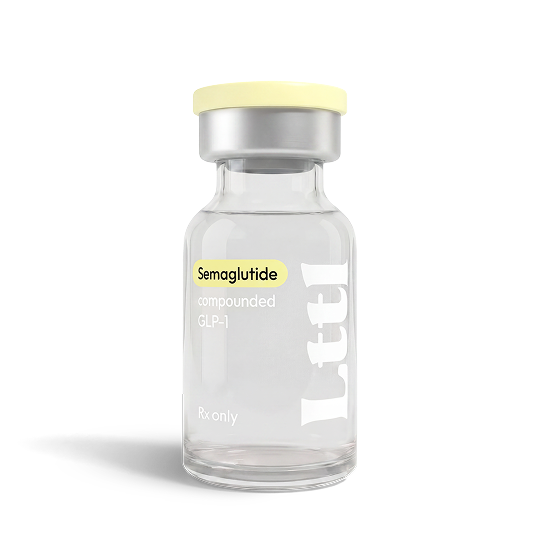
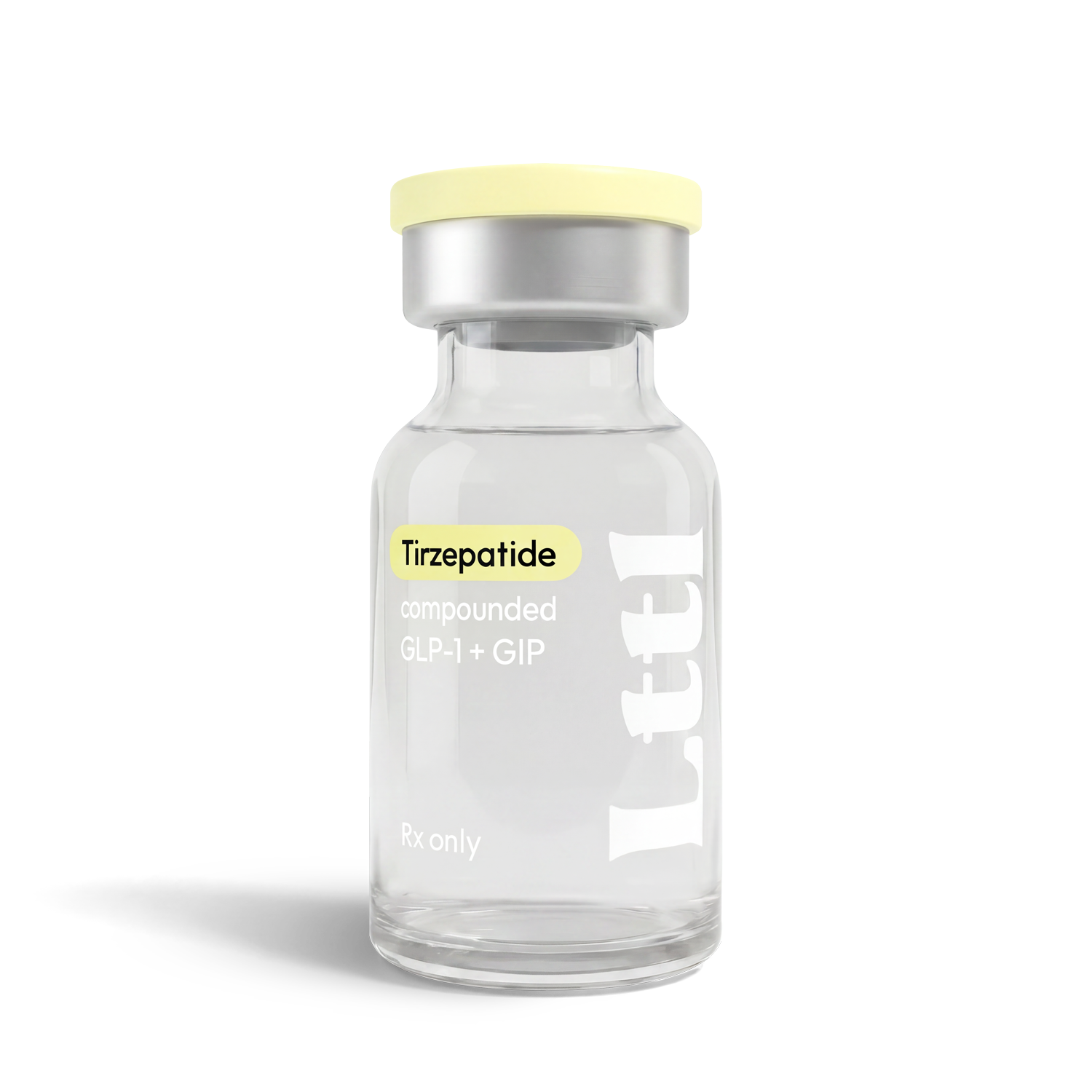
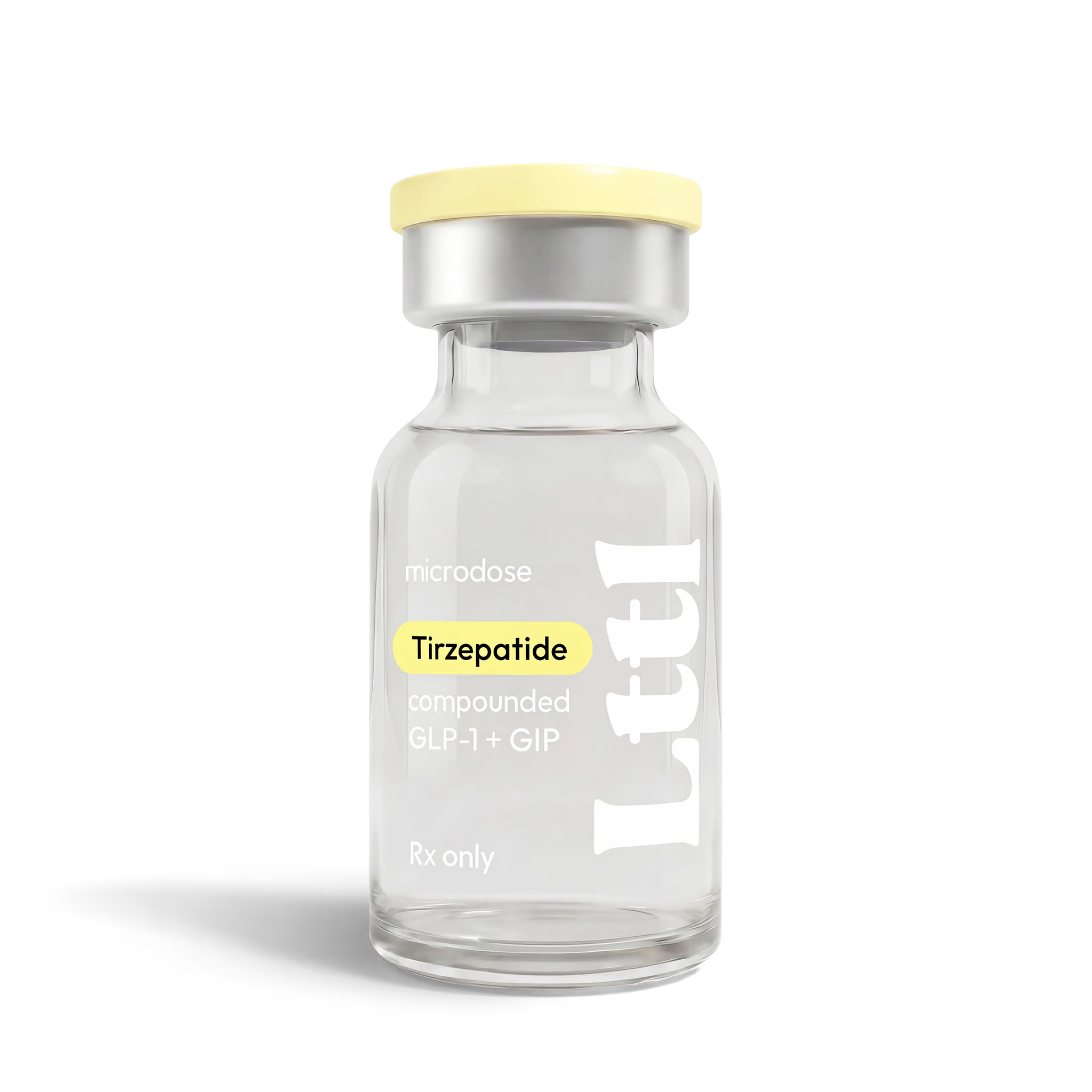
For patients who aren't adequately covered by insurance or who prefer a more accessible path to tirzepatide for weight management, Lttl offers compounded tirzepatide at $139 per month, all-inclusive. That price covers medication, licensed clinician oversight, unlimited care team access, dose adjustments, and shipping, with no hidden fees or per-shipment charges.
Compounded tirzepatide is not FDA-approved and has not been independently evaluated by the FDA for safety, efficacy, or quality. Lttl works exclusively with state-licensed 503A compounding pharmacies sourcing active pharmaceutical ingredients from FDA-registered manufacturers. Every order ships with a Certificate of Analysis verifying purity and potency.
Which May Be More Appropriate: Zepbound or Mounjaro?
This is a clinical determination, not a product preference exercise. A few factors that typically inform that determination are:
Primary clinical goal. If the goal is glycemic control in type 2 diabetes, Mounjaro is the FDA-approved choice. If the goal is chronic weight management or treatment of obstructive sleep apnea in a patient with obesity, Zepbound is the appropriate FDA-approved product. Off-label prescribing of either product for the other's indication is a clinical judgment that requires a prescriber's evaluation.
Patient age. Mounjaro is now approved for pediatric patients 10 years and older with type 2 diabetes. Zepbound is approved for adults only. For adolescent patients, this distinction is clinically significant.
Cardiovascular history. Mounjaro's August 2026 label added an approved indication for reducing major adverse cardiovascular events in adults with type 2 diabetes and established cardiovascular disease. For patients in that population, the cardiovascular evidence base is now formally part of Mounjaro's approved profile.
Diabetes status. Patients with type 2 diabetes may be appropriate candidates for either product depending on their primary treatment goal. A patient whose primary need is diabetes management gets Mounjaro. A patient with type 2 diabetes whose primary need is weight management may be better served by Zepbound, with corresponding adjustments to their diabetes management plan.
Obstructive sleep apnea. Zepbound holds an FDA-approved indication for moderate to severe OSA in adults with obesity. Mounjaro does not. For patients where this is a clinical priority, the indication distinction is straightforward.
Insurance coverage. Coverage realities often shape the clinical conversation. A patient with type 2 diabetes whose insurance covers Mounjaro but not Zepbound may access tirzepatide through the diabetes indication even when weight management is also a goal.
Concomitant medications. Patients managing diabetes with insulin or sulfonylureas need careful monitoring and likely dose adjustments when starting tirzepatide. The hypoglycemia risk management is more complex in that context than for weight-only patients on Zepbound.
The right product for a specific patient should always be determined by a licensed clinician with a complete picture of that patient's health history, clinical goals, and coverage situation... not by a comparison table.
Frequently Asked Questions
Are Zepbound and Mounjaro the Same Medication?
They contain the same active ingredient (tirzepatide) and share the same mechanism, titration schedule, and dose range. But they are not the same product. They carry different FDA-approved indications, different prescribing information contexts, and different insurance coverage implications. Using one as a substitute for the other without clinical guidance isn't appropriate.
Can I Use Mounjaro for Weight Loss Instead of Zepbound?
Mounjaro is not FDA-approved for weight loss. Some clinicians prescribe it off-label for weight management, and the pharmacological effect on body weight is the same as Zepbound's because the active ingredient is identical. Whether off-label prescribing of Mounjaro is appropriate for a specific patient is a clinical determination, not something a patient should pursue independently or by substituting one product for the other without a prescriber's involvement.
Can I Switch From Mounjaro to Zepbound?
Switching is possible and may make clinical sense if a patient's primary treatment goal shifts from glycemic control to weight management, or if coverage or access considerations change. Because the titration schedules and dose ranges are the same, the practical transition is simpler than switching between different active ingredients, but it still requires clinical management, particularly around any adjustments to concomitant diabetes medications.
Why Does Zepbound Cost More Than Mounjaro?
Both products list at comparable prices without insurance (over $1,000 per month). The more meaningful cost difference for most patients is the insurance coverage gap: Mounjaro is more reliably covered for type 2 diabetes, while Zepbound faces more frequent formulary exclusions for weight management. That coverage difference rather than a manufacturing price difference is what most patients experience as a cost distinction between the two products.
Is Mounjaro Now Approved for Children?
Yes, as of December 2025. Mounjaro is now approved for type 2 diabetes management in pediatric patients 10 years of age and older, in addition to adults. Zepbound remains approved for adults only. For adolescent patients with type 2 diabetes, Mounjaro's pediatric indication makes it the clinically appropriate FDA-approved choice.
Is Compounded Tirzepatide the Same as Zepbound or Mounjaro?
Compounded tirzepatide contains the same active pharmaceutical ingredient, but is not FDA-approved and has not been independently evaluated by the FDA for safety, efficacy, or quality. It is prepared by licensed compounding pharmacies rather than manufactured by Eli Lilly. The quality depends on the compounding pharmacy and the clinical program's standards. Lttl uses state-licensed 503A pharmacies sourcing from FDA-registered manufacturers, with a Certificate of Analysis provided with every order.
Bibliography
- Eli Lilly and Company. (2026). Zepbound (tirzepatide) injection, for subcutaneous use: Full prescribing information (Revised February 2026). U.S. Food and Drug Administration. https://nctr-crs.fda.gov/fdalabel/services/spl/set-ids/487cd7e7-434c-4925-99fa-aa80b1cc776b/spl-doc?hl=zepbound
- Eli Lilly and Company. (2026). Mounjaro (tirzepatide) injection, for subcutaneous use: Full prescribing information (Revised August 2026). U.S. Food and Drug Administration. https://www.accessdata.fda.gov/drugsatfda_docs/label/2026/215866s044s045lbl.pdf
- Jastreboff, A. M., Aronne, L. J., Ahmad, N. N., Wharton, S., Connery, L., Alves, B., Kiyosue, A., Zhang, S., Liu, B., Bunck, M. C., & Stefanski, A. (2022). Tirzepatide once weekly for the treatment of obesity. New England Journal of Medicine, 387(3), 205-216. https://www.nejm.org/doi/full/10.1056/NEJMoa2206038
- Garvey, W. T., Frias, J. P., Jastreboff, A. M., le Roux, C. W., Sattar, N., Aizenberg, D., Ye, J., Kwan, A., Liu, B., & Bunck, M. C. (2023). Tirzepatide once weekly for the treatment of obesity in people with type 2 diabetes (SURMOUNT-2). The Lancet, 402(10402), 613-626. https://www.thelancet.com/journals/lancet/article/PIIS0140-6736(23)01200-X/fulltext
- Frías, J. P., Davies, M. J., Rosenstock, J., Pérez Manghi, F. C., Fernández Landó, L., Bergman, B. K., Liu, B., Cui, X., & Brown, K. (2021). Tirzepatide versus semaglutide once weekly in patients with type 2 diabetes. New England Journal of Medicine, 385(6), 503-515. https://www.nejm.org/doi/full/10.1056/NEJMoa2107519
- Drucker, D. J. (2022). GLP-1 physiology informs the pharmacotherapy of obesity. Molecular Metabolism, 57, 101351. https://pubmed.ncbi.nlm.nih.gov/34626851/