
.svg)





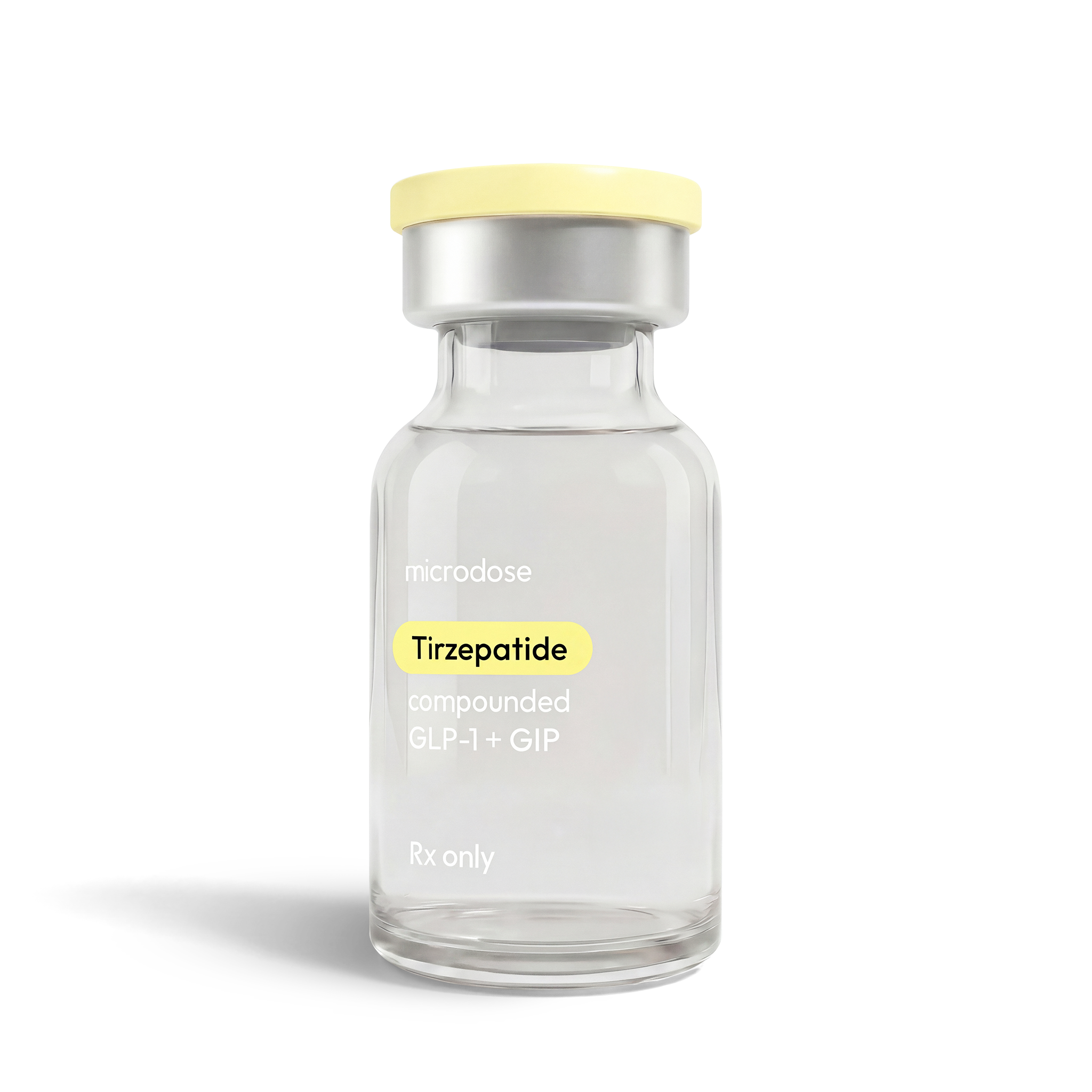
Most people who start a tirzepatide program experience some side effects, particularly in the early weeks. The majority of those side effects are gastrointestinal, predictable, and manageable. But knowing what to expect, why it happens, and when something warrants medical attention can make the adjustment period considerably easier to navigate.
What Are the Most Common Tirzepatide Side Effects?
Tirzepatide's side effect profile is well-documented across multiple large clinical trials, including the SURMOUNT program for weight management. The effects below reflect data from Zepbound (tirzepatide) clinical trials in adults with obesity or overweight unless otherwise noted.
| Side Effect | Approximate Rate (Zepbound pooled trials) | Notes |
|---|---|---|
| Nausea | ~25-29% | Most common; typically peaks early and improves |
| Constipation | ~11-17% | Can persist beyond initial adjustment period |
| Diarrhea | ~19-23% | Often front-loaded during dose escalation |
| Vomiting | ~8-13% | More likely after dose increases |
| Abdominal pain | ~9-10% | Includes discomfort, bloating, cramping |
| Dyspepsia | ~9-10% | Indigestion and stomach upset |
| Injection site reactions | ~6-8% | Redness, itching, mild swelling at injection site |
| Fatigue | ~5-7% | Usually temporary; most common early |
| Hypersensitivity reactions | ~5% | Includes skin reactions; serious reactions reported postmarketing |
| Eructation | ~4-5% | Belching; related to slowed gastric emptying |
| Hair loss | ~4-5% | Associated with weight loss rather than direct drug effect |
| Gastroesophageal reflux disease | ~4-5% | Related to slowed gastric emptying |
| Dizziness | ~4-5% | May relate to hydration or blood pressure changes |
Rates above are drawn from placebo-controlled SURMOUNT trials (Studies 1 and 2) across Zepbound 5 mg, 10 mg, and 15 mg arms. They represent the proportion of patients who reported each effect, not the proportion who found it intolerable. In clinical trials, 4.8-6.7% of Zepbound-treated adults discontinued treatment due to adverse reactions, with the majority doing so during the first few months because of gastrointestinal side effects.
Why Do Tirzepatide Side Effects Happen?
Tirzepatide works differently from most GLP-1 medications because it activates two receptors simultaneously: GLP-1 and GIP (glucose-dependent insulinotropic polypeptide). That dual mechanism is what distinguishes it pharmacologically from semaglutide, and it shapes the side effect profile in a few specific ways worth understanding.
The most important thing the prescribing label clarifies about tirzepatide's GI effects is that the delay in gastric emptying is largest after the first dose and diminishes over time. So, you’re most likely to experience side effects in the early weeks of your treatment, with those effects lessening as you continue your program.
Here's what's driving the symptoms most patients experience:
Dual receptor activation amplifies the gut signal. Tirzepatide activates GLP-1 receptors in the stomach and gut, slowing gastric emptying and extending the sensation of fullness, while simultaneously engaging GIP receptors involved in energy regulation and insulin release. The combined effect on the digestive system is more pronounced than GLP-1 activation alone, which is part of why tirzepatide produces stronger appetite suppression and, in some patients, more noticeable early GI effects.
Gastric emptying slows significantly at treatment initiation. Food moves from the stomach into the small intestine more slowly than the body is accustomed to. The result is nausea, bloating, acid reflux, and belching: especially in the first weeks and after each increase in dosage. As the label confirms, this effect is greatest early and decreases as treatment continues.
Reduced food intake changes gut function independently. Taking in less food means less fiber, less water from food, and fewer calories passing through the digestive tract. Constipation during tirzepatide treatment often reflects these dietary changes as much as the drug's direct effect on gut motility.
Tirzepatide's faster titration schedule front-loads side effects. The standard escalation increases dose every four weeks (faster than semaglutide's schedule). Each step up can recreate adjustment symptoms before the body adapts, which means the window of side effect intensity recurs more frequently in the early months.
Not every symptom is the medication's fault. Fatigue, headache, and general unwellness in the early weeks often reflect dehydration, reduced caloric intake, or metabolic adjustment rather than a direct drug reaction. Separating what the medication is doing from what eating significantly less is doing takes time and attention.
How Long Do Tirzepatide Side Effects Last?
There is no fixed timeline that applies to every patient, but the SURMOUNT trial data and clinical experience point to a consistent pattern: the majority of nausea, vomiting, and diarrhea events occurred during dose escalation and decreased over time. So, you shouldn’t expect any side effects to remain steady throughout treatment, but to come and go depending on where you are in the titration process.
The first four weeks tend to be the most challenging. The gastric emptying delay is largest after the first dose, and the body is adjusting to an entirely new pace of digestion. For most patients, nausea and related symptoms become much more manageable before the end of the first month: not necessarily gone, but no longer dominating the experience.
After each dose increase (tirzepatide generally increases every four weeks until maintenance dose is reached), expect a temporary return of earlier symptoms. The titration schedule moves from 2.5 mg through 5 mg, 7.5 mg, 10 mg, 12.5 mg, and up to 15 mg, depending on the indication and patient response. Each step briefly recreates the adjustment the body went through at initiation. This is expected, and it doesn't mean something has gone wrong.
By months two and three, the cumulative picture for most patients is considerably better than the first few weeks might have suggested. GI side effects tend to settle as the gastric emptying effect diminishes and the body adapts. Constipation, however, tends to be more persistent than nausea and may require ongoing attention to fiber and hydration throughout treatment.
For a smaller number of patients, side effects remain more disruptive beyond the typical window. Dose timing, slower titration, or dietary adjustments can often help: all of which are reasons to stay in contact with your Lttl care team rather than waiting it out alone or making changes independently.
How to Reduce or Manage Common Side Effects
Most tirzepatide side effects respond well to practical adjustments. These are evidence-informed strategies, and not simply workarounds.
For nausea:
Eat smaller meals and slow down while eating. This is the single most effective intervention for most patients. Tirzepatide slows how quickly the stomach empties, so eating quickly can overload a stomach that can no longer keep up.
Avoid high-fat, heavily spiced, and fried foods, particularly early in treatment. These independently slow gastric emptying and compound the effect of the medication.
Don't lie down immediately after eating. Staying upright for at least an hour after meals reduces reflux and post-meal nausea.
If nausea is at its worst in the morning, try eating something small before getting out of bed.
Some patients find that timing their weekly injection before bed reduces peak nausea effects during waking hours. Discuss timing adjustments with your clinician rather than changing your schedule independently.
For constipation:
Reduced food intake often reduces fiber intake, so be mindful of increasing your dietary fiber to make up for that gap. Vegetables, legumes, whole grains, or a fiber supplement can all help.
Prioritize hydration throughout the day. Tirzepatide can dampen thirst cues, and reduced food intake decreases water obtained from food. Consistent intake matters more than catching up in large amounts ... so keep that water bottle handy.
For acid reflux:
Avoid eating close to bedtime.
Limit carbonated beverages, which worsen reflux when gastric emptying is slowed.
Elevating the head of the bed slightly helps some patients with overnight symptoms.
For fatigue:
Prioritize protein. Eating less without being deliberate about protein quality accelerates muscle loss and compounds fatigue. Aim to eat protein first at each meal before appetite is satisfied by other foods.
Monitor electrolytes. Sodium, potassium, and magnesium drop with reduced food intake and contribute meaningfully to tiredness and headache.
For injection site reactions:
Rotate injection sites with each weekly dose. Using the abdomen, thigh, and upper arm in rotation reduces local irritation.
Allow the medication to reach room temperature before injecting rather than injecting cold from the refrigerator.
Important: Do not adjust your tirzepatide dose based on side effects without talking to your clinician. Dose timing, rate of escalation, and titration changes can all meaningfully affect your experience, but those decisions should be made with clinical input, and not independently.
Serious Symptoms and When to Seek Medical Help
Most tirzepatide side effects are mild and resolve without intervention. The following require prompt medical attention and should not be managed at home or waited out.
| Symptom | Possible Concern | What to Do |
|---|---|---|
| Severe or persistent abdominal pain, especially radiating to the back | Pancreatitis | Stop medication and seek emergency care immediately |
| Upper right abdominal pain, fever, or jaundice (yellowing of skin or eyes) | Gallbladder disease | Contact your clinician promptly or seek urgent care |
| Signs of a serious allergic reaction: swelling of face, lips, tongue or throat; difficulty breathing; severe rash | Hypersensitivity reaction | Seek emergency care immediately |
| Rapid or irregular heartbeat at rest | Possible cardiac reaction | Contact your clinician or seek urgent care |
| Vision changes in patients with type 2 diabetes | Possible diabetic retinopathy progression | Contact your clinician promptly |
| Symptoms of low blood sugar: shakiness, sweating, confusion, rapid heartbeat | Hypoglycemia, more likely if also taking insulin or sulfonylureas | Treat per your clinician's guidance; seek care if severe |
| Severe or persistent vomiting with inability to keep fluids down | Dehydration and possible acute kidney injury risk | Contact your clinician; seek urgent care if unable to hydrate |
| Neck lump, hoarseness, difficulty swallowing, or shortness of breath | Possible thyroid tumor | Contact your clinician promptly |
| Depression, suicidal thoughts, or unusual changes in mood or behavior | Suicidal behavior and ideation | Stop medication and contact a mental health professional or crisis line immediately |
Zepbound carries a boxed warning (the FDA's most serious warning level) for a potential risk of thyroid C-cell tumors, based on animal studies. The human relevance has not been established, but tirzepatide is contraindicated in patients with a personal or family history of medullary thyroid carcinoma (MTC) or Multiple Endocrine Neoplasia syndrome type 2 (MEN2).
FDA reviewed clinical-trial, observational, and postmarketing evidence and concluded in 2026 that GLP-1-based medications were not associated with an increased risk of suicidal thoughts or behavior. The previous warning was subsequently removed from Zepbound labeling. Anyone experiencing suicidal thoughts or a mental health crisis should still seek immediate help, regardless of the medication they are taking.
Follow the patient information included with your medication and contact your Lttl clinician or care team with any symptom that feels unusual or concerning. If you suspect a serious reaction, don't wait for a scheduled appointment.
Who May Have a Higher Risk of Problems?
Certain patients require additional caution before starting tirzepatide. None of the following are automatic disqualifiers in every case, but all require clinical evaluation and honest disclosure.
Personal or family history of medullary thyroid carcinoma (MTC) or MEN2. These are contraindications: tirzepatide should not be used in patients with this history.
History of pancreatitis. Tirzepatide has been associated with pancreatitis risk. Acute pancreatitis, including fatal and non-fatal hemorrhagic or necrotizing cases, has been observed in patients treated with GLP-1 receptor agonists and tirzepatide. A prior episode requires careful clinical evaluation before treatment.
Gallbladder disease or history of gallstones. In pooled SURMOUNT clinical trials, cholecystitis was reported in 0.7% of Zepbound-treated patients versus 0.2% of placebo patients, and cholelithiasis in 1.1% versus 1%. Both rapid weight loss and GLP-1/GIP therapy have been independently associated with increased gallbladder events.
Gastroparesis or severe gastrointestinal motility disorders. Zepbound is not recommended in patients with severe gastroparesis because tirzepatide further slows gastric emptying.
Patients taking insulin or sulfonylureas. These blood sugar-lowering medications, when combined with tirzepatide, increase hypoglycemia risk. In SURMOUNT-2 (patients with type 2 diabetes), hypoglycemia occurred in 10.3% of Zepbound-treated patients also taking a sulfonylurea versus 2.1% of those not taking one. Dose adjustments to existing diabetes medications should be clinician-directed.
Patients taking oral medications with narrow therapeutic windows. Tirzepatide delays gastric emptying and can affect the absorption of concomitant oral medications. The prescribing label advises monitoring for medications dependent on threshold concentrations for efficacy and those with narrow therapeutic indices. Patients using oral hormonal contraceptives should switch to a non-oral method or add a barrier method for four weeks after starting tirzepatide and for four weeks after each dose increase, because tirzepatide's effect on gastric emptying can reduce the efficacy of oral contraceptives.
Patients with significant renal impairment. GI side effects such as vomiting and diarrhea increase the risk of dehydration and acute kidney injury. Renal function should be monitored in patients experiencing significant GI adverse reactions.
Pregnancy, planned pregnancy, or breastfeeding. Tirzepatide may cause fetal harm based on animal studies. Zepbound should be discontinued when pregnancy is recognized. Patients planning to become pregnant should discuss timing with their clinician. Human data is limited. In a small single-dose study, tirzepatide levels in breast milk were undetectable in most samples and very low in the remainder. However, the effects on a breastfed infant and on milk production are not known. If you are breastfeeding or planning to breastfeed, discuss the potential benefits and uncertainties with your healthcare provider.
History of diabetic retinopathy. Rapid improvement in blood sugar control has been associated with temporary worsening of retinopathy in some patients with type 2 diabetes. Monitoring for progression is recommended.
Before surgery or procedures: Tirzepatide delays stomach emptying, and rare cases of food or liquid entering the lungs during procedures requiring general anesthesia or deep sedation have been reported with GLP-1 medications. Tell your surgeon, anesthesiologist, or procedural team that you take tirzepatide before any planned procedure. Whether the medication should be temporarily held depends on your individual situation and should be decided by your healthcare team.
None of these factors should be self-assessed as reasons to avoid or proceed with treatment. They require clinical evaluation and, we can't stress this enough, honest disclosure of relevant history to your care team.
Frequently Asked Questions
Are Tirzepatide Side Effects Worse Than Semaglutide Side Effects?
Tirzepatide and semaglutide have broadly similar types of gastrointestinal side effects, including nausea, diarrhea, constipation, and vomiting. In the head-to-head SURMOUNT-5 trial in adults with obesity without diabetes, gastrointestinal side effects were the most common adverse events with both medications; most were mild to moderate and occurred primarily during dose escalation. Individual tolerability varies, so side-effect rates from separate trials should not be directly compared as though the studies were identical.
Gastrointestinal symptoms commonly occur during dose escalation and may recur after a dose increase. Zepbound doses are increased in 2.5-mg increments after at least four weeks at the current dose, depending on response and tolerability.
Can Tirzepatide Cause Hair Loss?
Hair loss has been reported in approximately 4-5% of Zepbound-treated patients in clinical trials: slightly higher than the 3% reported for Wegovy 2.4 mg. The prescribing label and current clinical evidence suggest it is associated with weight loss rather than a direct drug effect, the same pattern seen with other forms of significant caloric restriction. In SURMOUNT pooled trials, hair loss was reported more frequently in female patients (7.1%) than male patients (0.5%). Adequate protein intake and nutritional support during treatment appear to reduce the likelihood. No patients discontinued treatment due to hair loss in the reviewed clinical trials.
Does Tirzepatide Affect Mental Health?
Unlike the current Wegovy label, which removed its suicidal behavior and ideation warning in January 2026, the January 2026 Zepbound prescribing label retains that warning. Patients should be monitored for the emergence or worsening of depression, suicidal thoughts or behaviors, and unusual mood changes. Zepbound should be discontinued in patients who experience suicidal thoughts or behaviors. The label advises avoiding it entirely in patients with a history of suicidal attempts or active suicidal ideation. If you have a history of mood disorders, disclose that during your clinical intake and stay in contact with your care team if you notice changes during treatment.
What Should I Do If I Miss a Dose of Tirzepatide?
For once-weekly Zepbound injection: if the next scheduled dose is more than four days (96 hours) away, take the missed dose as soon as possible. If more than four days have passed since the missed dose, skip it and administer the next dose on the regularly scheduled day. You can change the day of your weekly injection if needed, as long as the time between the two doses is at least three days (72 hours). Do not take two doses within three days of each other. This is different from the missed dose window for semaglutide, which uses a two-day threshold. So, if you've previously been on Wegovy, don't assume the same rules apply. When in doubt, contact your Lttl care team.
Can I Drink Alcohol While Taking Tirzepatide?
Alcohol is not absolutely contraindicated with tirzepatide, but a few practical considerations apply. Slowed gastric emptying can make alcohol absorption more unpredictable than usual. Alcohol is also dehydrating, which compounds the hydration challenges already present during tirzepatide treatment. If you're also taking blood sugar-lowering medications, alcohol can further increase hypoglycemia risk. Moderate consumption is worth discussing with your clinician rather than assuming it's fine or off-limits.
Will Side Effects Return if I Stop and Restart Tirzepatide?
Typically, yes. If tirzepatide is discontinued and restarted after a gap, the body goes through an adjustment period similar to the initial one. The prescribing label's missed dose guidance gives a window of four days: beyond that, resuming on the regular schedule is recommended rather than doubling up. For longer treatment gaps, re-titration may be appropriate to reduce GI side effects on restarting. Decisions about pausing or stopping treatment are better made with your clinician rather than independently. The re-entry experience can be managed more smoothly with clinical guidance.
Bibliography
- Eli Lilly and Company. (2026). Zepbound (tirzepatide) injection, for subcutaneous use: Full prescribing information (Revised January 2026). U.S. Food and Drug Administration. https://www.accessdata.fda.gov/drugsatfda_docs/label/2026/217806s002lbl.pdf
- Jastreboff, A. M., Aronne, L. J., Ahmad, N. N., Wharton, S., Connery, L., Alves, B., Kiyosue, A., Zhang, S., Liu, B., Bunck, M. C., & Stefanski, A. (2022). Tirzepatide once weekly for the treatment of obesity. New England Journal of Medicine, 387(3), 205-216. https://www.nejm.org/doi/full/10.1056/NEJMoa2206038
- Garvey, W. T., Frias, J. P., Jastreboff, A. M., le Roux, C. W., Sattar, N., Aizenberg, D., Ye, J., Kwan, A., Liu, B., & Bunck, M. C. (2023). Tirzepatide once weekly for the treatment of obesity in people with type 2 diabetes (SURMOUNT-2): A double-blind, randomised, multicentre, placebo-controlled, phase 3 trial. The Lancet, 402(10402), 613-626. https://www.thelancet.com/journals/lancet/article/PIIS0140-6736(23)01200-X/fulltext
- Drucker, D. J. (2022). GLP-1 physiology informs the pharmacotherapy of obesity. Molecular Metabolism, 57, 101351. https://pubmed.ncbi.nlm.nih.gov/34626851/
- Frías, J. P., Davies, M. J., Rosenstock, J., Pérez Manghi, F. C., Fernández Landó, L., Bergman, B. K., Liu, B., Cui, X., & Brown, K. (2021). Tirzepatide versus semaglutide once weekly in patients with type 2 diabetes. New England Journal of Medicine, 385(6), 503-515. https://www.nejm.org/doi/full/10.1056/NEJMoa2107519
- U.S. Food and Drug Administration. (2025). FDA's concerns with unapproved GLP-1 drugs used for weight loss. https://www.fda.gov/drugs/postmarket-drug-safety-information-patients-and-providers/fdas-concerns-unapproved-glp-1-drugs-used-weight-loss



.svg)

.svg)