


Wegovy and Ozempic both contain semaglutide, but they're not the same thing... exactly. While these GLP-1 medications do contain the same active ingredient, they are different products, with different approved indications, different doses, and different clinical contexts. Here's a quick breakdown:
Wegovy vs. Ozempic: Quick Comparison
| Wegovy | Ozempic | |
|---|---|---|
| Active ingredient | Semaglutide | Semaglutide |
| Manufacturer | Novo Nordisk | Novo Nordisk |
| FDA-approved indication(s) | Chronic weight management in adults and adolescents aged 12+ with obesity; cardiovascular risk reduction in adults with obesity/overweight and established CV disease; noncirrhotic MASH with moderate to advanced liver fibrosis (accelerated approval) | FDA-approved indications: Type 2 diabetes mellitus (glycemic control); reduction of major cardiovascular events in adults with type 2 diabetes and established cardiovascular disease; and reduction of the risk of sustained kidney-function decline, end-stage kidney disease, and cardiovascular death in adults with type 2 diabetes and chronic kidney disease. |
| Approved for weight loss | Yes | No (sometimes prescribed off-label) |
| Dosing frequency | Once weekly injection; also available as a daily oral tablet (25 mg) | Once weekly injection |
| Maintenance dose range | 1.7 mg or 2.4 mg weekly injection; up to 7.2 mg weekly (HD formulation); 25 mg daily tablet | 0.5 mg, 1 mg, or 2 mg weekly |
| Typical titration duration | ~16 weeks to reach 2.4 mg maintenance | ~4-8 weeks to reach initial maintenance |
| Common side effects | Nausea, diarrhea, vomiting, constipation, abdominal pain | Nausea, diarrhea, vomiting, constipation, abdominal pain |
| Boxed warning | Thyroid C-cell tumor risk (animal studies; human relevance unknown) | Thyroid C-cell tumor risk (animal studies; human relevance unknown) |
| Key evidence | STEP trials (weight management); SELECT trial (CV outcomes) | SUSTAIN trials (glycemic control); PIONEER trials (oral); cardiovascular outcomes data |
| Access | Prescription required; covered by some insurance plans for weight management | Prescription required; generally covered for type 2 diabetes |
What Is Wegovy?
Wegovy is a brand name, not an active ingredient. The active ingredient is semaglutide. It's the same molecule found in Ozempic, but Wegovy is formulated and dosed specifically for chronic weight management rather than diabetes care.
Novo Nordisk's March 2026 prescribing label reflects a significantly expanded product. Wegovy is now available as a once-weekly subcutaneous injection in doses from 0.25 mg through 2.4 mg, a higher-dose 7.2 mg injection formulation, and a 25 mg once-daily oral tablet. Its approved indications have expanded beyond weight management to include cardiovascular risk reduction in adults with obesity or overweight and established cardiovascular disease, and noncirrhotic MASH with moderate to advanced liver fibrosis (under accelerated approval).
For adolescents aged 12 and older with obesity, Wegovy injection is approved for weight management (a distinction Ozempic does not share). Wegovy is not approved for type 2 diabetes, and it is not interchangeable with Ozempic despite sharing the same active ingredient.
What Is Ozempic?
Ozempic is also a brand name, and also contains semaglutide as its active ingredient. The distinction from Wegovy starts with indication: Ozempic is approved for type 2 diabetes management and for reducing the risk of major cardiovascular events in adults with type 2 diabetes and established cardiovascular disease. It is not FDA-approved for weight management.
Ozempic is available as a once-weekly subcutaneous injection. Its approved maintenance doses (0.5 mg, 1 mg, and 2 mg) are lower than Wegovy's weight management maintenance doses, reflecting its design around glycemic control rather than the larger caloric deficit required for meaningful weight loss. It reaches its initial maintenance dose more quickly than Wegovy's slower titration schedule.
The weight loss that Ozempic patients sometimes experience is a pharmacological effect of semaglutide, not an approved indication of the product. When Ozempic is prescribed for weight loss rather than diabetes, that's off-label prescribing: a clinician's prerogative, but a relevant distinction for patients trying to understand what's approved for what.
How Do Wegovy and Ozempic Work?
Both medications activate GLP-1 receptors, which makes sense since they share the same active ingredient.
Where they are the same:
Both mimic glucagon-like peptide-1, a hormone produced after eating that signals satiety to the brain, slows gastric emptying, and stimulates insulin release in a glucose-dependent way
Both reduce appetite through sustained GLP-1 receptor activation in brain regions involved in hunger and reward processing
Both slow gastric emptying, which extends fullness and affects how other oral medications are absorbed
Both suppress glucagon and improve blood sugar regulation
Both carry the same contraindications, including the thyroid C-cell tumor boxed warning
Where the clinical experience differs:
Wegovy's approved weight-management regimens generally use higher semaglutide doses than Ozempic's diabetes regimens, which likely contributes to differences in observed weight loss. However, Wegovy and Ozempic have not been directly compared for weight loss in the same population, so differences across their separate trial programs should not be attributed to dose alone.
Wegovy's longer titration schedule (approximately 16 weeks to reach 2.4 mg maintenance) reflects the higher target dose and the need to manage GI tolerability along the way
Ozempic's dosing is optimized for glycemic control; the caloric reduction it produces in diabetes patients is a secondary effect of the same mechanism rather than a primary treatment target
The practical implication: patients who've taken Ozempic for diabetes and experienced some weight loss are experiencing the same mechanism that Wegovy uses, just at lower doses designed for a different primary outcome.
How Do Weight Loss Results Compare?
No head-to-head trial has directly compared Wegovy and Ozempic for weight loss in the same population. The evidence comes from separate trial programs designed for different primary endpoints, which makes cross-trial comparisons imprecise. With that caveat clearly stated, here's what the trial data shows:
| Trial Program | Product/Dose | Population | Duration | Average Weight Loss |
|---|---|---|---|---|
| STEP 1 | Wegovy 2.4 mg weekly | Adults with obesity or overweight, no diabetes | 68 weeks | ~15% body weight |
| STEP 2 | Wegovy 2.4 mg weekly | Adults with obesity/overweight and type 2 diabetes | 68 weeks | ~9.6% body weight |
| SELECT | Wegovy 2.4 mg weekly | Adults with obesity/overweight and established CV disease | ~40 months | ~9.4% body weight |
| SUSTAIN 1-7 | Ozempic 0.5-1 mg weekly | Adults with type 2 diabetes | 30-56 weeks | Variable; not the primary endpoint |
| STEP 8 | Wegovy 2.4 mg vs. liraglutide 3 mg | Adults with obesity, no diabetes | 68 weeks | ~15.8% (Wegovy) vs. ~6.4% (liraglutide) |
The weight loss difference between Wegovy and Ozempic in practice is primarily a dose effect. Because Wegovy is designed to reach 2.4 mg (or higher), and Ozempic tops out at 2 mg in its approved range, patients on Wegovy for weight management tend to experience stronger appetite suppression and greater weight loss. Whether that difference is clinically meaningful for a specific patient depends on their individual response and what they're trying to achieve.
Side Effects and Safety Differences
Because both products contain semaglutide, the side-effect profile and major safety warnings are the same. The practical differences come from dosage.
| Wegovy | Ozempic | |
|---|---|---|
| Most common GI effects | Nausea (~44%), diarrhea (~30%), vomiting (~24%), constipation (~24%) | Nausea, diarrhea, vomiting, constipation (rates lower at diabetes doses) |
| Serious GI effects | Severe GI reactions reported; not recommended in severe gastroparesis | Same warning applies |
| Thyroid C-cell tumor warning | Boxed warning; contraindicated in MTC/MEN2 history | Same boxed warning |
| Pancreatitis | Acute pancreatitis including fatal cases observed; discontinue if suspected | Same warning |
| Gallbladder disease | Cholelithiasis and cholecystitis reported | Same warning |
| Diabetic retinopathy | Monitor patients with history of diabetic retinopathy | Same monitoring recommendation |
| Heart rate increase | Mean increases of 1-4 bpm observed; monitor | Same finding |
| Suicidal behavior and ideation | Warning removed from label in January 2026 following FDA review | Warning removed from label following same FDA review |
| Oral contraceptive interaction | Tablet formulation may reduce oral contraceptive efficacy; switch or add barrier method | Not applicable (injection only) |
| Hypoglycemia risk | Low when used alone; higher with insulin or sulfonylureas | Higher in diabetes context, particularly with insulin or sulfonylureas |
The higher doses used in Wegovy's weight management protocol tend to produce more pronounced GI side effects (particularly during titration) than the doses typically used with Ozempic. That's not a safety difference between the products; it's a dose-related effect of the same medication.
Dosing, Administration, and Treatment Experience
Both are once-weekly subcutaneous injections administered in the abdomen, thigh, or upper arm. Wegovy also offers a daily oral tablet (25 mg) and a higher-dose injection (7.2 mg HD) for weight management.
Ozempic reaches initial maintenance dose faster. The standard Ozempic escalation moves from 0.25 mg to 0.5 mg over four weeks, then to 1 mg or 2 mg as clinically indicated. Wegovy's weight management escalation moves through 0.25 mg, 0.5 mg, 1 mg, and 1.7 mg before reaching 2.4 mg (a process that takes approximately 16 weeks).
Wegovy's slower titration reflects its higher target dose. The extended escalation schedule gives the body more time to adapt, which is specifically designed to manage GI tolerability at higher doses.
Missed dose windows differ between products. For Wegovy injection, take a missed dose as soon as possible if the next scheduled dose is more than 2 days away; if it is less than 2 days away, skip the missed dose. For Ozempic, a missed dose may be taken within 5 days; if more than 5 days have passed, skip it and resume the regular weekly schedule.
The oral Wegovy tablet requires specific administration. It must be taken on an empty stomach in the morning with up to four ounces of water, at least 30 minutes before any food, drink, or other oral medications. This is a meaningful practical difference from the injections.
Ongoing monitoring applies to both. Patients with diabetes using Ozempic need blood glucose monitoring. Both products warrant monitoring for GI tolerability, hydration, and any symptoms requiring prompt clinical attention.
Cost, Insurance and Availability
Brand-name Wegovy and Ozempic are both expensive without insurance: Wegovy lists at approximately $1,350 per month and Ozempic at comparable pricing for its diabetes indication. Insurance coverage dynamics differ significantly between them.
Ozempic is more reliably covered by insurance, because it's prescribed for type 2 diabetes, an indication most plans recognize. Wegovy, prescribed for weight management, is excluded from many formularies, even though the FDA has approved it for that indication. Prior authorization is commonly required for both, but approval rates differ.
Medicare coverage for Wegovy has expanded. The Medicare GLP-1 Bridge program, which began July 1, 2026, allows eligible Part D beneficiaries to access certain GLP-1 medications for weight management, including Wegovy. Eligibility requirements apply, and the program runs through December 31, 2027. Ozempic coverage under Medicare Part D for diabetes remains available as it has been.
Lttl: A More Affordable and Convenient Alternative
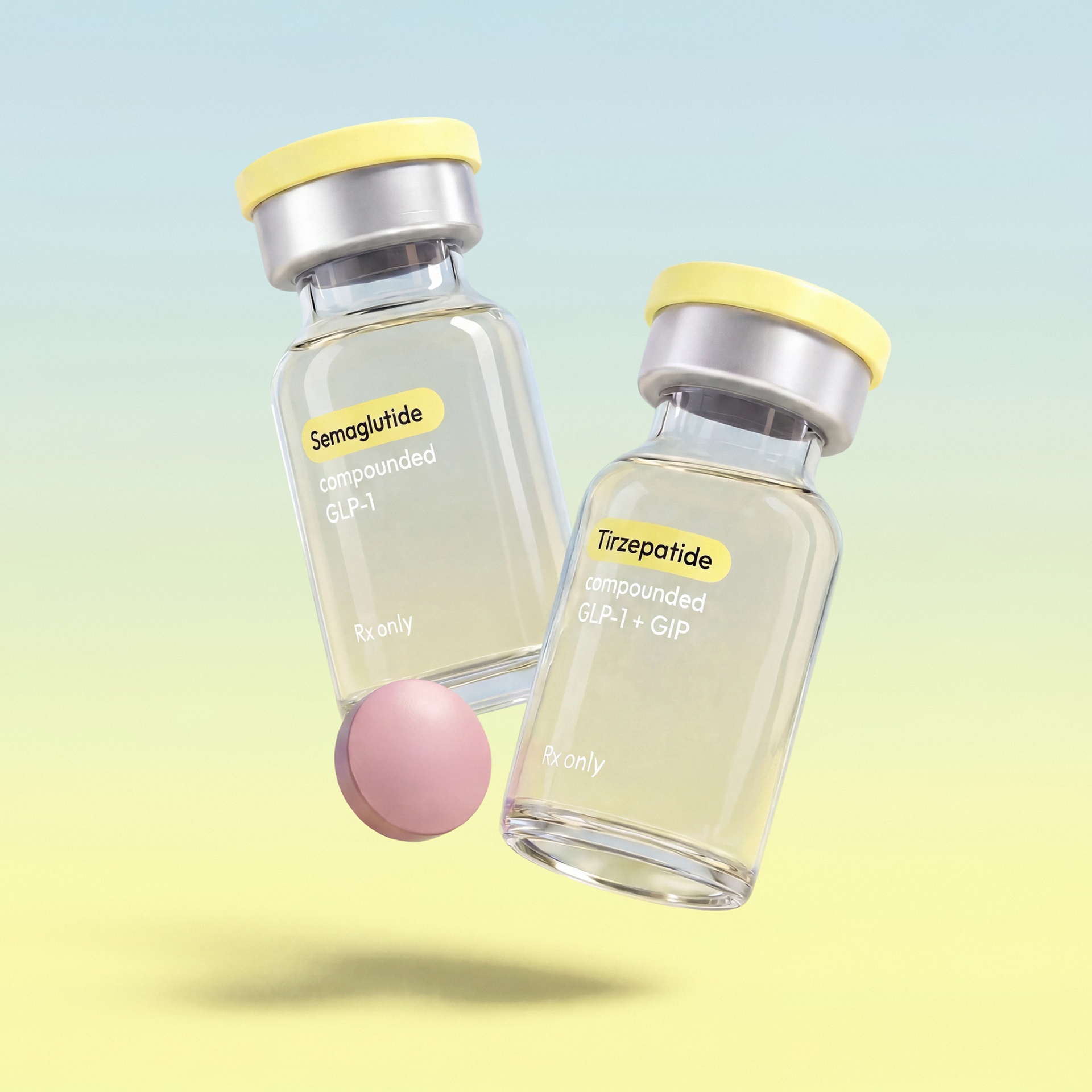
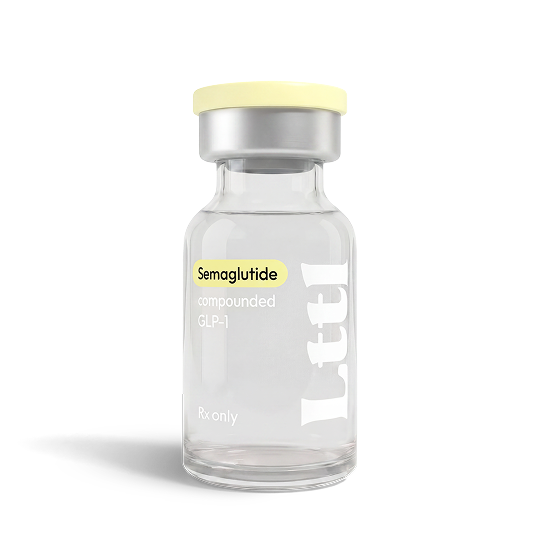
For patients who aren't adequately covered by insurance or who prefer a more accessible path to semaglutide for weight management, Lttl offers compounded semaglutide at $89 per month, all-inclusive. That price covers medication, licensed clinician oversight, unlimited care team access, dose adjustments, and shipping, with no hidden fees.
Compounded semaglutide is not FDA-approved and has not been independently evaluated by the FDA for safety, efficacy, or quality. Lttl works exclusively with state-licensed 503A compounding pharmacies sourcing active pharmaceutical ingredients from FDA-registered manufacturers. Every order ships with a Certificate of Analysis verifying purity and potency.
Which May Be More Appropriate: Wegovy or Ozempic?
This is a clinical decision, not a product comparison exercise. The right answer depends on what a specific patient needs, not which medication performs better on average. A few factors that typically inform the determination:
Primary indication. If the clinical goal is glycemic control in type 2 diabetes, Ozempic is the appropriate FDA-approved choice. If the goal is chronic weight management, Wegovy is the appropriate FDA-approved choice. Using either product off-label is a clinical judgment that requires discussion with a prescriber.
Cardiovascular history. Both products have cardiovascular outcomes data, but in different populations. Wegovy's SELECT trial studied adults with obesity or overweight and established CV disease without diabetes. Ozempic's cardiovascular indication involves adults with type 2 diabetes and established CV disease. The right product depends on which population a patient falls into.
Dose tolerance. Patients who've experienced significant GI side effects at lower semaglutide doses may need slower titration or a lower maintenance dose: considerations that apply to both products.
Insurance coverage. For many patients, what insurance will cover is a practical determinant of access that shapes the clinical conversation.
Patient preference and lifestyle. The addition of an oral tablet formulation for Wegovy gives patients who prefer not to inject a clinically evaluated option that Ozempic doesn't offer.
Adolescent patients. Wegovy injection is approved for patients aged 12 and older with obesity. Ozempic is not approved for this population.
The determination of which product is appropriate for a specific patient belongs with a licensed clinician who has reviewed that patient's complete health history, not with a comparison article.
Frequently Asked Questions
Are Wegovy and Ozempic the Same Medication?
They contain the same active ingredient (semaglutide), but they are not the same product. They are approved for different indications, formulated at different doses, and have different prescribing information. Using one as a substitute for the other is not appropriate without clinical guidance, and insurance coverage, dosing, and monitoring considerations differ between them.
Can I Use Ozempic for Weight Loss Instead of Wegovy?
Ozempic is not FDA-approved for weight loss. Some clinicians prescribe it off-label for weight management, and the mechanism that produces weight loss is the same as Wegovy's, but at lower doses. Whether off-label prescribing of Ozempic is appropriate for a specific patient is a clinical judgment that requires a prescriber's evaluation, not a patient-driven substitution.
Can I Switch From Ozempic to Wegovy?
Switching from Ozempic to Wegovy (or vice versa) is possible, but should be managed by a clinician rather than done independently. Dose equivalence between the two products isn't straightforward given their different approved dose ranges and titration schedules. A clinician can assess whether a switch makes sense given your current dose, your response to treatment, and your clinical goals.
Why Does Wegovy Cost More Than Ozempic?
Both products list at high prices without insurance, and exact pricing varies by pharmacy and formulation. Wegovy's pricing reflects its weight management indication, the higher doses involved, and its formulation development, including the oral tablet and HD injection. Insurance coverage differences also affect what patients actually pay, with Ozempic often more reliably covered because of its diabetes indication.
Is Compounded Semaglutide the Same as Wegovy or Ozempic?
Compounded semaglutide is prepared by a licensed compounding pharmacy based on an individual prescription. These medications are not FDA approved and may differ from FDA-approved semaglutide products in formulation, concentration, packaging, or administration instructions. When clinically appropriate, a compounded formulation may provide another option for patients whose treatment needs are not met by an available FDA-approved product. Lttl uses state-licensed 503A pharmacies sourcing from FDA-registered manufacturers, with a Certificate of Analysis for every order.
Bibliography
- Novo Nordisk. (2026). Wegovy (semaglutide) injection and tablets: Full prescribing information (Revised March 2026). U.S. Food and Drug Administration. https://nctr-crs.fda.gov/fdalabel/services/spl/set-ids/ee06186f-2aa3-4990-a760-757579d8f77b/spl-doc?hl=wegovy
- Novo Nordisk. (2025). Ozempic (semaglutide) injection, for subcutaneous use: Full prescribing information (Revised October 2025). U.S. Food and Drug Administration. https://nctr-crs.fda.gov/fdalabel/services/spl/set-ids/42bdd912-2393-44c4-b7e0-47672ca28991/spl-doc?hl=ozempic
- Wilding, J. P. H., Batterham, R. L., Calanna, S., Davies, M., Van Gaal, L. F., Lingvay, I., McGowan, B. M., Rosenstock, J., Tran, M. T. D., Wadden, T. A., Wharton, S., Yokote, K., Zeuthen, N., & Kushner, R. F. (2021). Once-weekly semaglutide in adults with overweight or obesity. New England Journal of Medicine, 384(11), 989-1002. https://www.nejm.org/doi/full/10.1056/NEJMoa2032183
- Lincoff, A. M., Brown-Frandsen, K., Colhoun, H. M., Deanfield, J., Emerson, S. S., Esbjerg, S., Hardt-Lindberg, S., Hovingh, G. K., Kahn, S. E., Kushner, R. F., Lingvay, I., Oral, T. K., Michelsen, M. M., Plutzky, J., Tornøe, C. W., & Ryan, D. H. (2023). Semaglutide and cardiovascular outcomes in obesity without diabetes. New England Journal of Medicine, 389(24), 2221-2232. https://www.nejm.org/doi/full/10.1056/NEJMoa2307563
- Rubino, D. M., Greenway, F. L., Khalid, U., O'Neil, P. M., Rosenstock, J., Sørrig, R., Wadden, T. A., Wizert, A., & Garvey, W. T. (2022). Effect of weekly subcutaneous semaglutide vs daily liraglutide on body weight in adults with overweight or obesity without diabetes: The STEP 8 randomized clinical trial. JAMA, 327(2), 138-150. https://pubmed.ncbi.nlm.nih.gov/35015037/
- Drucker, D. J. (2022). GLP-1 physiology informs the pharmacotherapy of obesity. Molecular Metabolism, 57, 101351. https://pubmed.ncbi.nlm.nih.gov/34626851/