



BMI Requirements for GLP-1 Weight Loss Medication: The Short Answer
The standard clinical criteria for GLP-1 weight management medications are a BMI of 30 or higher, or a BMI of 27 or higher with at least one weight-related health condition. But BMI is just a starting point for this conversation, not the end of it. Eligibility is determined by a licensed clinician who reviews your complete health history: contraindications, current medications, comorbidities, and treatment goals all factor into the decision. Meeting the BMI threshold does not automatically mean a medication is appropriate. A clinician still needs to review your medical history, medications, contraindications, and treatment goals. For FDA-approved weight-management indications in adults, eligibility generally includes obesity or overweight with at least one weight-related condition. Treatment outside an FDA-approved indication would be considered off-label and requires an individualized clinical decision.
Common Eligibility Factors Clinicians Consider
Most clinicians evaluating a patient for GLP-1 weight management therapy work through a similar set of factors, though how each is weighted depends on the individual.
| Factor | What Clinicians Typically Look For |
|---|---|
| BMI | A BMI of 30 or higher (obesity), or a BMI of 27 or higher with at least one weight-related comorbidity |
| Weight-related comorbidities | High blood pressure, type 2 diabetes, dyslipidemia, obstructive sleep apnea, cardiovascular disease |
| Treatment history | Prior weight loss attempts, including lifestyle interventions, medications, and surgical options |
| Treatment goals | Degree of weight loss sought, metabolic health objectives, and realistic expectations about timeline |
| Age and product indication | Wegovy is approved for adults and adolescents aged 12 and older; Zepbound is currently approved for adults only |
| Contraindications | Contraindications: Personal or family history of medullary thyroid carcinoma (MTC), MEN2, or a prior serious hypersensitivity reaction to the medication or its ingredients. Other conditions requiring careful assessment: Severe gastroparesis, history of pancreatitis, gallbladder disease, and other clinically significant gastrointestinal conditions. |
| Overall benefit-risk assessment | Weighing clinical benefit against individual health history, comorbidities, concomitant medications, and patient goals |
These factors are considered together rather than independently. A patient who meets the BMI threshold but has a relevant contraindication may not be an appropriate candidate. A patient who falls slightly below the threshold but carries significant metabolic burden may still warrant a careful clinical conversation. So, the table above describes common starting points, but it's not a checklist a patient can use to determine their own eligibility.
Medical History That May Affect Treatment
Several categories of medical history require careful evaluation before starting any GLP-1 medication. None of the following are automatic disqualifiers in every case, but all require honest disclosure and clinical evaluation.
Personal or family history of medullary thyroid carcinoma (MTC) or Multiple Endocrine Neoplasia syndrome type 2 (MEN2). This is a contraindication for all currently approved GLP-1 weight management medications. GLP-1 receptor agonists carry a boxed warning for thyroid C-cell tumor risk based on animal studies; while human relevance has not been established, the contraindication applies across the class.
History of pancreatitis. GLP-1 medications have been associated with pancreatitis risk, including acute and fatal cases. A prior episode requires careful clinical evaluation before treatment is considered.
Gallbladder disease or history of gallstones. Both rapid weight loss and GLP-1 therapy have independently been associated with increased risk of gallbladder events. Patients with relevant history should discuss this specifically with their clinician.
Gastroparesis or severe gastrointestinal motility disorders. GLP-1 medications slow gastric emptying as part of their mechanism. Wegovy and Zepbound slow gastric emptying and are not recommended in patients with severe gastroparesis.
Significant renal impairment. GI side effects (particularly vomiting and diarrhea) increase the risk of dehydration and acute kidney injury. Renal function is a relevant factor in the intake evaluation.
History of diabetic retinopathy. Rapid improvement in blood sugar control has been associated with temporary worsening of retinopathy in some patients with type 2 diabetes. Appropriate monitoring should be part of the clinical plan.
Mood disorders. In January 2026, FDA reported that its comprehensive review did not identify an increased risk of suicidal thoughts or behavior with GLP-1-based medications and requested removal of the related warnings from Wegovy and Zepbound labeling. Patients should still provide a complete mental health history as part of routine medication evaluation.
Pregnancy and planned pregnancy. Weight-loss treatment with Wegovy or Zepbound should be stopped if pregnancy occurs. Semaglutide should be discontinued at least 2 months before a planned pregnancy because of its long half-life.
Breastfeeding. Recommendations differ by medication and formulation. Wegovy tablets are not recommended during breastfeeding, while data for injectable semaglutide remain limited. Tirzepatide has been found at undetectable or very low levels in a small lactation study, but its effects on a breastfed infant are not known. Patients who are breastfeeding should discuss the potential benefits and uncertainties with their clinician.
History of significant eating disorders. The pronounced appetite-suppressing effects of GLP-1 medications may complicate recovery in patients with a history of restrictive eating. Individual clinical assessment is particularly important in this population.
Medication and Supplement Review
A complete and accurate medication list is one of the most important things a patient can bring to a GLP-1 eligibility evaluation. Several categories require specific clinical attention.
Blood sugar-lowering medications. Patients taking insulin or sulfonylureas alongside a GLP-1 medication face an increased risk of hypoglycemia. Dose adjustments to existing diabetes medications are often needed and should always be clinician-directed, and not self-managed.
Oral hormonal contraceptives. Tirzepatide's effect on gastric emptying can reduce the efficacy of oral contraceptives. The current Zepbound prescribing label advises patients to switch to a non-oral method or add a barrier method for four weeks after starting tirzepatide and for four weeks after each dose increase.
Oral medications with narrow therapeutic windows. GLP-1 medications slow gastric emptying, which can affect absorption timing for certain drugs, particularly thyroid medications, anticoagulants, and immunosuppressants where consistent absorption matters. A full medication review before starting is essential for patients on these drugs.
Other GLP-1 medications. Combining a GLP-1 medication with another product from the same class is not recommended. This includes overlapping brand-name and compounded versions of the same or different active ingredients.
Supplements. Supplements that affect blood sugar, appetite, or metabolic function (including berberine or high-dose chromium) should be disclosed during intake. Their potential interaction with GLP-1 therapy is worth a clinical conversation even when the evidence base is limited.
The goal of a medication review isn't to find a reason to decline treatment. It's to make sure that if treatment is prescribed, it's prescribed safely, and that any necessary adjustments to existing medications are identified before the patient starts.
BMI Is Not the Only Consideration
BMI is a useful population-level screening tool, but it has real limitations as a measure of individual health. It doesn't distinguish between fat mass and lean mass, doesn't account for how fat is distributed in the body, and can misclassify both risk and health status across different body types and ethnic backgrounds.
In clinical practice, this matters in a few specific ways. A patient with a BMI just below 30 who carries significant visceral fat, has elevated triglycerides, and a family history of type 2 diabetes may face meaningfully higher metabolic risk than their BMI number suggests. Conversely, a patient with a higher BMI who is otherwise metabolically healthy may have a different risk profile than the number implies.
Current clinical guidelines use BMI thresholds as entry criteria; they're a practical starting point for identifying likely candidates. But the prescribing decision accounts for the full clinical picture: comorbidity burden, treatment history, cardiovascular risk, metabolic health, and patient goals. This also means that a patient who narrowly misses the BMI threshold may still warrant a clinical conversation if other risk factors are present, and that meeting the threshold doesn't bypass the evaluation of contraindications, medication interactions, and treatment appropriateness.
What Happens During a GLP-1 Eligibility Assessment?
At Lttl, the eligibility process is designed to be thorough without being burdensome, because the quality of the clinical evaluation directly affects the safety and appropriateness of what gets prescribed.
Step 1: Complete the health intake. The process begins with a comprehensive health questionnaire covering your medical history, current medications and supplements, relevant family history, previous weight loss attempts, and your treatment goals. It takes approximately two minutes and is the foundation of the clinical review that follows. The accuracy and completeness of what you disclose here directly affects how your clinician evaluates your case.
Step 2: Licensed clinician review. A licensed clinician reviews your intake individually: not an algorithm and not a decision tree. A real clinician reads your history, evaluates your eligibility against current clinical criteria and contraindications, and makes a prescribing decision based on your specific profile. If your intake raises questions, the clinician will follow up before making a determination.
Step 3: Lab work, if needed. Depending on your health history, the clinician may request recent lab work before finalizing a treatment plan. Metabolic panels, thyroid function, and other relevant markers help establish a clinical picture that a questionnaire alone can't fully capture. Recent results from your primary care provider can often be submitted directly.
Step 4: Treatment plan or alternative guidance. If GLP-1 therapy is appropriate for you, your clinician will develop a treatment plan including medication selection, starting dose, and titration schedule. If it isn't appropriate, you'll receive a clear explanation and, where possible, guidance on alternatives or next steps. Lttl does not prescribe to everyone who applies. That's part of what makes the process clinically legitimate.
What to have ready: your current medication list including supplements, any relevant recent lab results, significant medical history including surgeries and chronic conditions, and a clear sense of your weight loss goals.
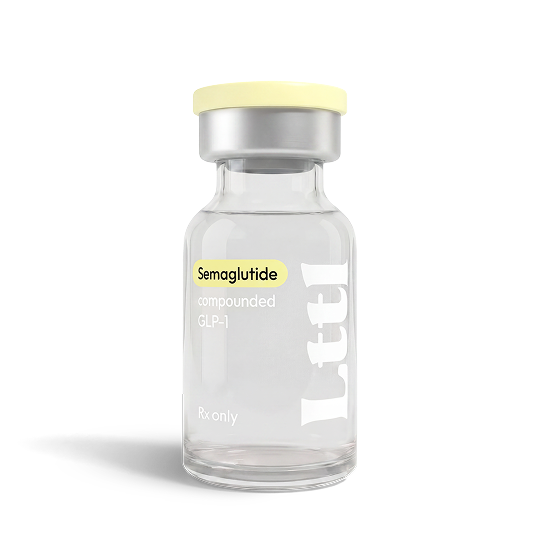
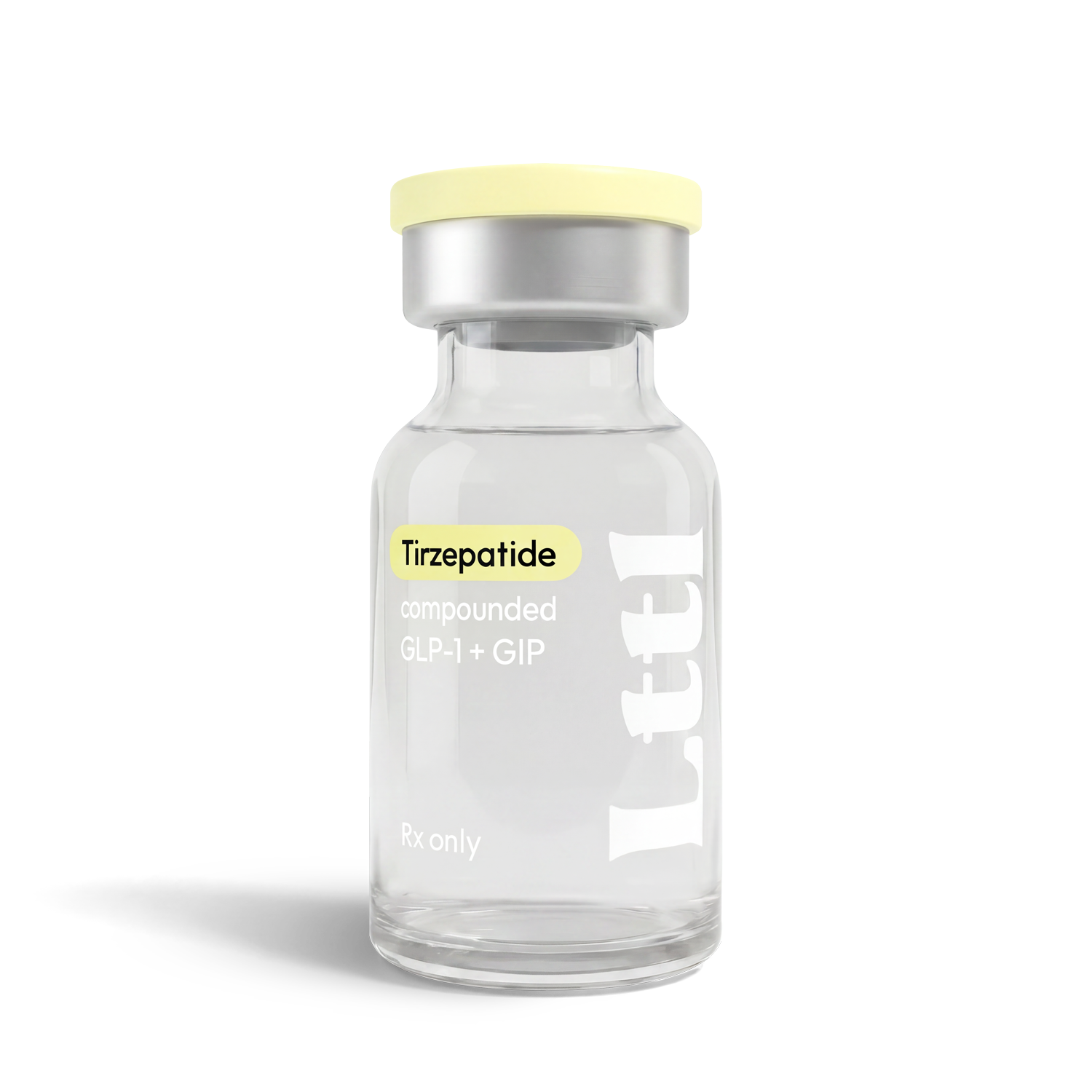
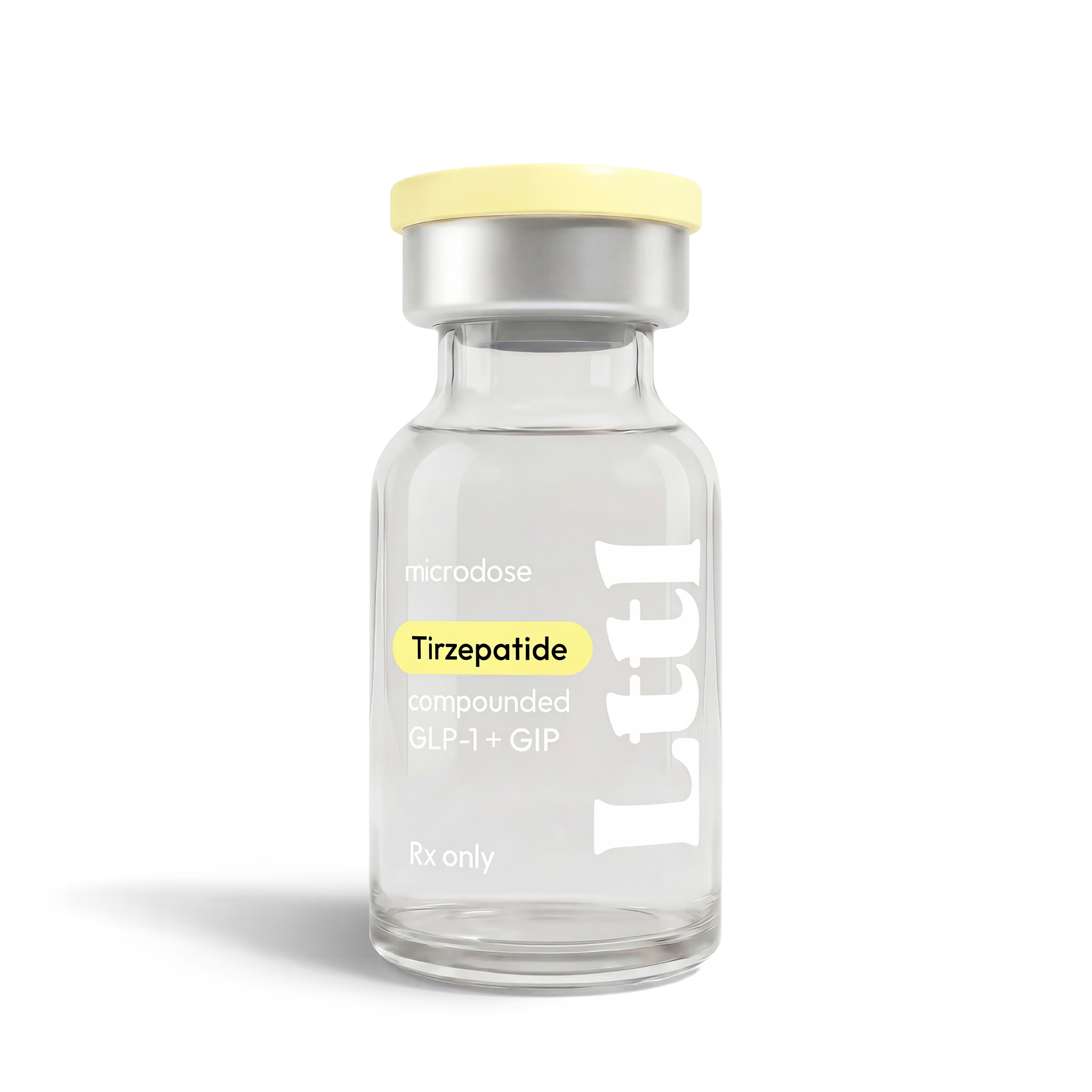
Lttl currently offers compounded semaglutide at $89 per month and compounded tirzepatide at $139 per month: both prices all-inclusive, covering medication, clinician oversight, unlimited care team access, and shipping. Compounded semaglutide and tirzepatide are not FDA-approved and have not been independently evaluated by the FDA for safety, efficacy, or quality.
Frequently Asked Questions
I'm Overweight, but Not Obese, Can I Still Qualify?
Possibly. FDA clinical guidelines support GLP-1 therapy for adults with a BMI of 27 or higher (below the obesity threshold) if they have at least one weight-related comorbidity such as high blood pressure, type 2 diabetes, high cholesterol, or obstructive sleep apnea. If you fall into that category, a clinical evaluation is the right next step. If you don't meet either the BMI or comorbidity criteria, GLP-1 medications for weight management may not be clinically indicated, and a clinician will tell you that during the assessment rather than prescribing anyway.
Do I Need Type 2 Diabetes to Qualify for a GLP-1 Weight Loss Program?
No. Wegovy and Zepbound are approved for chronic weight management in adults with obesity or overweight and a weight-related condition: type 2 diabetes is one possible qualifying comorbidity, not a requirement. Ozempic and Mounjaro, which contain the same active ingredients at lower doses, are approved specifically for type 2 diabetes management. These are distinct indications, and which product is appropriate depends on a patient's specific clinical situation.
I've Tried Weight Loss Medications Before. Does That Affect Eligibility?
Prior use of weight loss medications is part of the clinical history your clinician reviews, but it doesn't automatically disqualify you. Treatment history helps inform the prescribing decision, including which medication may be a better fit and what starting dose makes sense. If you had significant GLP-1 side effects or inadequate response with a previous GLP-1 medication, that's relevant context your clinician needs to evaluate, not a reason to assume you're not a candidate.
Is There an Age Limit for GLP-1 Weight Management Medications?
Current FDA approvals cover adults for both Wegovy and Zepbound. Wegovy has also been approved for adolescents aged 12 and older with obesity. There is no upper age limit in the approved indications, though older adults may require additional monitoring given increased sensitivity to GI side effects and higher baseline risk of dehydration. Age and overall health status are factors a clinician weighs as part of the eligibility assessment.
What If My BMI Qualifies, but I Have a Contraindication?
A qualifying BMI doesn't override a clinical contraindication. A patient with a personal or family history of MTC or MEN2, for example, should not use GLP-1 medications regardless of BMI. Other contraindications require clinical evaluation rather than automatic exclusion. A history of pancreatitis, for instance, requires careful assessment rather than a blanket no. If a contraindication applies to you, the right step is a clinical conversation about what the contraindication means for your specific situation and what alternatives, if any, may be appropriate.
Bibliography
- Novo Nordisk. (2026). Wegovy (semaglutide) injection and tablets: Full prescribing information (Revised March 2026). U.S. Food and Drug Administration. https://www.accessdata.fda.gov/drugsatfda_docs/label/2026/215256s029lbl.pdf
- Eli Lilly and Company. (2026). Zepbound (tirzepatide) injection, for subcutaneous use: Full prescribing information (Revised February 2026). U.S. Food and Drug Administration. https://www.accessdata.fda.gov/drugsatfda_docs/label/2026/217806s042lbl.pdf
- Wilding, J. P. H., Batterham, R. L., Calanna, S., Davies, M., Van Gaal, L. F., Lingvay, I., McGowan, B. M., Rosenstock, J., Tran, M. T. D., Wadden, T. A., Wharton, S., Yokote, K., Zeuthen, N., & Kushner, R. F. (2021). Once-weekly semaglutide in adults with overweight or obesity. New England Journal of Medicine, 384(11), 989-1002. https://www.nejm.org/doi/full/10.1056/NEJMoa2032183
- Jastreboff, A. M., Aronne, L. J., Ahmad, N. N., Wharton, S., Connery, L., Alves, B., Kiyosue, A., Zhang, S., Liu, B., Bunck, M. C., & Stefanski, A. (2022). Tirzepatide once weekly for the treatment of obesity. New England Journal of Medicine, 387(3), 205-216. https://www.nejm.org/doi/full/10.1056/NEJMoa2206038
- Wharton, S., Lau, D. C. W., Vallis, M., Sharma, A. M., Biertho, L., Campbell-Scherer, D., Adamo, K., Alberga, A., Bell, R., Boule, N., Boyling, E., Brown, J., Calam, B., Clarke, C., Crowshoe, L., Divalentino, D., Forhan, M., Freedhoff, Y., Gagner, M.,... Wicklum, S. (2020). Obesity in adults: A clinical practice guideline. CMAJ, 192(31), E875-E891. https://www.cmaj.ca/content/192/31/E875