

.svg)
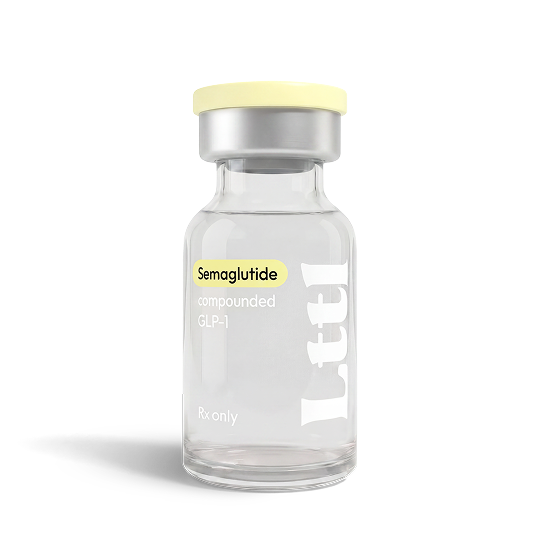
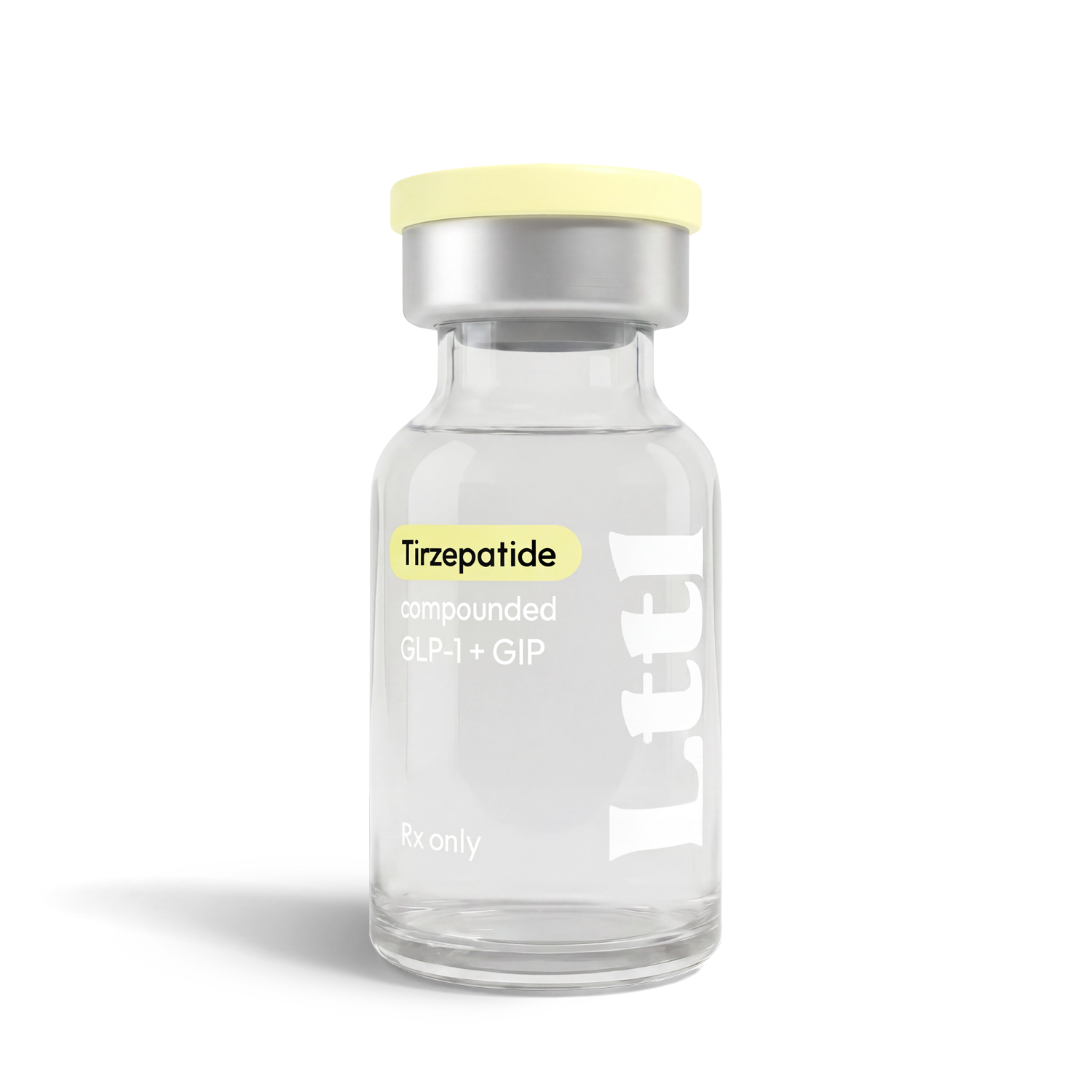


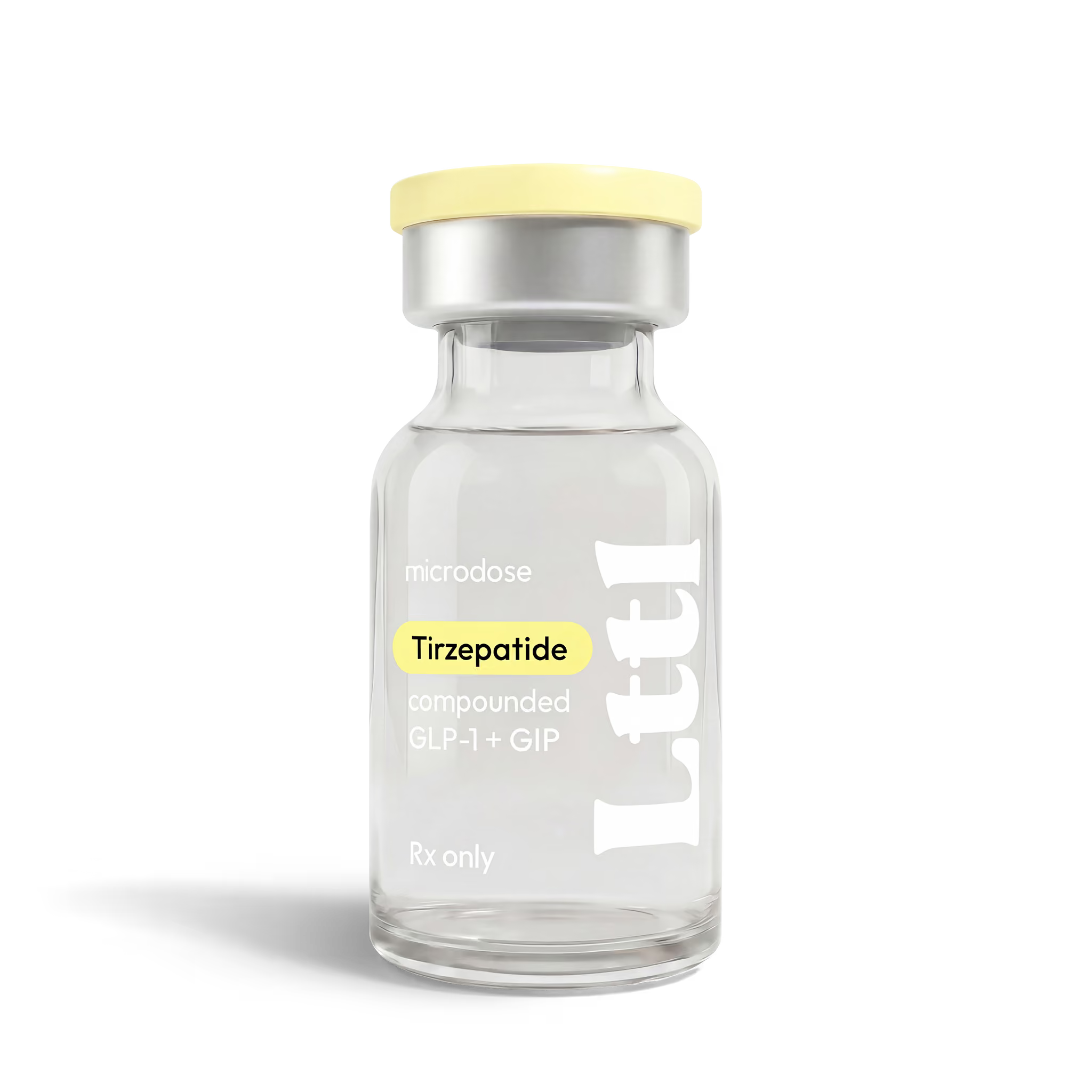
The word microdosing carries a lot of baggage. Depending on whom you ask, it conjures images of tech bro hustle culture, psychedelic experimentation, or that neverending parade of online wellness influencers. That cultural noise has made it harder to have a straightforward conversation about what low-dose protocols actually are, what the science says about them, and where they genuinely fit in a clinical context.
This article is an attempt at that conversation: specifically around low-dose semaglutide and tirzepatide protocols, which operate on entirely different biological principles than the substances most people associate with microdosing, and which are supported by a growing body of clinical evidence.
The Short Version
Microdosing, in a clinical context, means using a medication at a dose low enough to produce meaningful biological effects without the full intensity of a therapeutic dose. For GLP-1 medications, like semaglutide and tirzepatide, low-dose protocols are being explored for benefits that extend beyond weight loss, including metabolic health, cognitive function, emotional regulation, and stress resilience. The evidence base is still developing, but the mechanism is well understood, and the clinical interest is serious.
What Microdosing Actually Means
In pharmacology, microdose has a narrow technical meaning. In the growing conversation around GLP-1 treatment, the term is being used differently: to describe personalized, low-dose protocols that sit below conventional weight-management dosing. That’s the sense in which we use the term at Lttl.
In practice, when clinicians and patients talk about microdosing GLP-1 medications, they mean sub-therapeutic dosing: doses below the standard weight-loss protocol range that still produce measurable biological effects, just with a different intensity and target. The goal isn’t to lose weight as aggressively as possible. It’s to engage the GLP-1 receptor system at a level that supports metabolic health, appetite regulation, cognitive clarity, and emotional stability without the appetite suppression being so pronounced that it interferes with daily life or requires active management.
Think of it less like a switch and more like a dimmer. Standard GLP-1 dosing turns the signal up significantly. Microdosing turns it up a little: enough to shift the baseline, not enough to dominate the experience.
So, why microdose when you could take a standard dose instead? Turns out the population of people who might benefit from low-dose GLP-1 protocols is considerably broader than the population for whom aggressive weight loss is the primary goal. These are the folks who want to improve metabolic health, reduce inflammatory markers, support cognitive function, and manage daily stress, but who aren't dealing with significant obesity. Depending on their individual factors, these types of people may find that a low-dose protocol produces the outcomes they’re looking for without the side effect profile of higher doses.
Neuroplasticity and the Biological Basis of Low-Dose Protocols
Most people think of GLP-1 medications as gut drugs. They slow digestion, reduce appetite, and regulate blood sugar. And yes, all of that is true. But what’s less widely known is that GLP-1 receptors are distributed throughout the brain, including regions that have nothing to do with hunger.
You see, the brain areas that carry GLP-1 receptors include the hippocampus (involved in memory and learning), the prefrontal cortex (the part of your brain responsible for decision-making, focus, and emotional regulation), and the hypothalamus (which coordinates stress response, among other things). When GLP-1 receptors in these regions are activated, the effects extend well beyond appetite.
One area researchers have been paying attention to is neuroplasticity: the brain's ability to form new connections, adapt to new information, and essentially rewire itself in response to experience. It’s the biological mechanism behind learning, habit change, and recovery from stress. GLP-1 receptor activation appears to support this process, at least in part by influencing a protein called BDNF (brain-derived neurotrophic factor). Think of BDNF as fertilizer for your brain. It encourages the growth of new neural connections and helps existing ones stay strong. Higher BDNF levels are associated with sharper thinking, more stable mood, and greater resilience under pressure.
GLP-1 receptor activation also appears to reduce neuroinflammation: a low-grade inflammatory process in brain tissue that most people have never heard of, but that researchers increasingly link to cognitive fog, mood instability, and reduced stress tolerance. It doesn’t produce a dramatic or noticeable effect on its own. What it produces is more like a gradual clearing: the kind of shift that people describe as thinking more clearly, feeling less reactive, or handling a hard week better than they expected to.
None of this is fully settled science. The research on GLP-1's neurological effects is still developing, and most of the strongest evidence comes from animal studies and early human trials rather than large clinical trials in healthy adults. But what the research does establish clearly is the mechanism: GLP-1 receptors in the brain are real, they’re in the right places to influence cognition and mood, and activating them has the potential to produce measurable effects.
Primary Use Cases: What People Are Actually Looking For
The patients who come to low-dose GLP-1 protocols aren’t all the same, but we have noticed some general groups among our patients.
Cognitive clarity and focus. The same food noise reduction that GLP-1 patients often report (the quieting of persistent, intrusive mental chatter) appears to have a broader analogue in cognitive function. Patients on low-dose protocols frequently describe improved ability to sustain attention, reduced mental reactivity, and a sense of having more working bandwidth than usual. Whether this reflects the direct neurological effects of GLP-1 activation, the downstream effects of improved metabolic health, or some combination isn’t fully resolved. But the subjective experience is consistent enough to be worth taking seriously.
Emotional regulation and stress resilience. The prefrontal cortex (the brain region most involved in executive function, impulse control, and emotional regulation) is rich in GLP-1 receptors. Low-dose activation in this region may support the kind of measured, less reactive emotional processing that people often describe as feeling more grounded or less easily destabilized. We’re not talking about sedation. It’s actually the opposite: clearer engagement with challenging situations rather than avoidance of them.
Breaking behavioral ruts. One of the more intriguing areas of GLP-1 research involves reward processing. The same dopamine pathway modulation that reduces food noise may also reduce the salience of other habitual reward-seeking behaviors: the pull toward habitual snacking, compulsive checking of phones, or other patterns that persist more through neurochemical reinforcement than genuine desire. For some patients, low-dose protocols have the potential to create a window of reduced compulsive drive during which different habits are easier to establish.
Metabolic health without aggressive weight loss. For patients whose primary concern is metabolic function (blood sugar regulation, insulin sensitivity, inflammatory markers) rather than significant weight reduction, low-dose protocols may provide a clinically meaningful benefit without the appetite suppression that comes with standard dosing.
Safety, Screening, and Why Clinical Oversight Matters
Low-dose doesn’t mean low-stakes when it comes to medical oversight. The same contraindications that apply to standard GLP-1 dosing apply here, and the same principle holds: appropriate screening before starting, and clinical monitoring while ongoing.
The key contraindications to review before starting any GLP-1 protocol, regardless of dose:
Condition or FactorWhy It MattersPersonal or family history of medullary thyroid carcinomaGLP-1 receptor agonists carry a boxed warning for this conditionMultiple endocrine neoplasia type 2 (MEN2)Same boxed warning appliesHistory of pancreatitisGLP-1 medications have been associated with pancreatitis riskPregnancy or breastfeedingNot evaluated for safety in these populationsSevere gastrointestinal conditionsSlowed gastric emptying may complicate existing GI issuesCurrent medications affecting blood sugarRisk of compounding hypoglycemic effects
Beyond contraindications, a good clinical intake should also establish baseline metabolic markers, current medication list, relevant personal and family history, and an honest conversation about goals and expectations. This is where our licensed clinicians are so important: making sure a treatment (even a microdose treatment) is safe for you and is the best course of treatment to help you reach your goals.
They also help manage expectations. After all, low-dose protocols produce subtler effects than standard dosing. So, patients who are expecting dramatic changes quickly are likely to be disappointed. Setting realistic expectations upfront can produce better outcomes than discovering the mismatch after the fact.
Ongoing monitoring matters, too. Even at low doses, GLP-1 medications can affect hydration, electrolyte balance, and gastrointestinal function in ways that warrant periodic check-ins. The goal of clinical oversight is to catch the things that are easier to address early, before they’ve had a chance to develop into a problem.
Lttl’s clinicians are there to help you every step of the way.
Frequently Asked Questions
What Is Microdosing in a Medical Context?
In a clinical context, microdosing typically refers to using a medication at a sub-therapeutic dose: low enough to engage the target biological system meaningfully without producing the full intensity of a standard therapeutic dose. For GLP-1 medications, like semaglutide and tirzepatide, low-dose protocols aim to support metabolic health, cognitive function, and emotional regulation rather than aggressive weight loss.
What Are the Benefits of Microdosing Semaglutide or Tirzepatide?
Research and clinical observation suggest that low-dose GLP-1 protocols may support cognitive clarity, improved focus, emotional regulation, stress resilience, and metabolic health markers like blood sugar regulation and insulin sensitivity. These effects are generally subtler than those produced by standard weight-loss dosing. For many patients, that’s precisely what makes them appropriate.
Is Microdosing GLP-1 Medications Safe?
When initiated under appropriate clinical supervision with proper screening, low-dose GLP-1 protocols carry a similar safety profile to standard dosing at equivalent doses. The same contraindications apply (including personal or family history of medullary thyroid carcinoma, MEN2, and history of pancreatitis), which is why medical intake and clinician review are essential before starting.
How Is Microdosing GLP-1 Different From Standard Weight Loss Dosing?
Standard GLP-1 weight-loss protocols typically involve doses titrated upward over months to produce significant appetite suppression and caloric deficit. Low-dose protocols use smaller amounts to engage GLP-1 receptors in ways that support cognitive and metabolic function without the pronounced appetite suppression associated with higher doses. The target outcomes differ, and so do the expected effects.
How Long Does It Take to Notice Effects From a Low-Dose GLP-1 Protocol?
Effects from low-dose protocols tend to develop gradually rather than acutely. Most patients notice subtle shifts in cognitive clarity, stress response, or metabolic markers over weeks to months rather than days. This is consistent with the mechanism. Neuroplastic changes and metabolic recalibration happen incrementally, not overnight.
Do I Need a Prescription for a Microdose GLP-1 Protocol?
Yes. Semaglutide and tirzepatide are prescription medications regardless of dose. Any legitimate low-dose protocol requires a licensed clinician to review your health history and write a prescription, and should include ongoing clinical oversight. Programs that offer these medications without a genuine medical intake and clinician review are not operating within the standard of care.
Bibliography
- Drucker, D.J. (2022). GLP-1 physiology informs the pharmacotherapy of obesity. Molecular Metabolism, 57, 101351. https://pubmed.ncbi.nlm.nih.gov/34626851/
- Blundell, J., Finlayson, G., Axelsen, M., Flint, A., Gibbons, C., Kvist, T., & Hjerpsted, J.B. (2017). Effects of once-weekly semaglutide on appetite, energy intake, control of eating, food preference and body weight in subjects with obesity. Diabetes, Obesity and Metabolism, 19(9), 1242-1251. https://dom-pubs.onlinelibrary.wiley.com/doi/full/10.1111/dom.12932
- Berthoud, H.R., Münzberg, H., & Morrison, C.D. (2017). Blaming the brain for obesity: Integration of hedonic and homeostatic mechanisms. Gastroenterology, 152(7), 1728-1738. https://www.gastrojournal.org/article/S0016-5085(17)30143-9/fulltext
- Mansur, R.B., Zugman, A., Ahmed, J., Cha, D.S., Subramaniapillai, M., Lee, Y., Lovshin, J., Lee, J.G., Lee, J.H., Drobinin, V., Newport, J., Brietzke, E., Reininghaus, E.Z., Sim, K., Vinberg, M., Rasgon, N., Hajek, T., & McIntyre, R.S. (2017). Treatment with a GLP-1R agonist over four weeks promotes weight loss-moderated changes in frontal-striatal brain structures in individuals with mood disorders. European Neuropsychopharmacology, 27(11), 1153-1162. https://www.sciencedirect.com/science/article/abs/pii/S0924977X17309008
- Yildirim Simsir, I., Soyaltin, U.E., & Cetinkalp, S. (2018). Glucagon like peptide-1 (GLP-1) likes Alzheimer's disease. Diabetes & Metabolic Syndrome: Clinical Research & Reviews, 12(3), 469-475. https://pubmed.ncbi.nlm.nih.gov/29598932/
- Jastreboff, A.M., Aronne, L.J., Ahmad, N.N., Wharton, S., Connery, L., Alves, B., Kiyosue, A., Zhang, S., Liu, B., Bunck, M.C., & Stefanski, A. (2022). Tirzepatide once weekly for the treatment of obesity. New England Journal of Medicine, 387(3), 205-216. https://www.nejm.org/doi/full/10.1056/NEJMoa2206038



.svg)

.svg)