
.svg)





How Much Do GLP-1 Medications Cost? Pricing, Insurance, and Telehealth Options: The Short Answer
There isn't a single answer to what GLP-1 medications cost, because the number depends on too many variables to reduce to one figure. As you might expect, the medication itself matters, so semaglutide and tirzepatide are priced differently. Whether you have insurance matters, as well, and so does what your plan actually covers for your specific indication. The pharmacy dispensing your medication matters. The dose matters, since higher doses can cost more under some treatment plans. And if you're accessing GLP-1 therapy through a telehealth provider, the service fees, subscription model, and what's included in that price all factor into what you actually pay each month.
The sections below break each of those variables down so you can evaluate total cost accurately rather than comparing headline numbers that may not reflect the full picture.
(Note: This article was written in September, 2026, and prices therein reflect those found on respective websites at that time and may not reflect future price changes.)
What Determines GLP-1 Medication Cost?
The price you pay for GLP-1 therapy isn't a single line item: it's the sum of several components, each of which varies by provider, product, and patient situation.
| Cost Factor | What It Affects |
|---|---|
| Medication | Semaglutide and tirzepatide are priced differently; brand-name and compounded versions have different price structures entirely |
| Insurance status | Coverage can reduce out-of-pocket cost dramatically ... or not at all, depending on your plan and indication |
| Pharmacy | Retail pharmacy pricing differs from compounding pharmacy pricing; dispensing fees vary |
| Dose and formulation | Higher doses usually cost more; injectable and oral formulations may be priced differently |
| Brand-name vs. compounded | Brand-name products carry list prices; compounded products are priced by the compounding pharmacy and vary by provider |
| Clinician consultation fees | Some telehealth providers charge separately for the initial evaluation and ongoing follow-up |
| Subscription or membership fees | Some providers separate service fees from medication costs; others bundle everything |
| Shipping | May be included or billed per shipment depending on the provider |
| Dose adjustment fees | Some platforms charge additional fees when your dose changes |
Understanding which of these your quoted price includes (and which it doesn't) is the most reliable way to compare costs across providers.
Brand-Name vs. Compounded Medication Costs
Brand-name GLP-1 medications and compounded versions occupy different regulatory and pricing categories. Understanding both helps clarify why the price difference exists and what it does and doesn't mean.
| Brand-Name (Wegovy, Zepbound) | Compounded Semaglutide/Tirzepatide | |
|---|---|---|
| Typical monthly cost without insurance | $1,000-$1,350+ | Varies by provider; generally $150-$350 (Lttl starts at $89/mo., all costs included) |
| FDA review status | Approved for safety, efficacy, and quality | Not independently reviewed or approved by the FDA |
| Manufacturing | Standardized factory production with batch testing | Prepared by licensed compounding pharmacies; testing standards vary by pharmacy |
| Legal basis | Standard FDA drug approval pathway | Permitted under 503A/503B pharmacy regulations |
| Quality verification | Built into the FDA approval process | Depends on the pharmacy; reputable providers supply a Certificate of Analysis per batch |
| Active ingredient | Semaglutide or tirzepatide as approved by FDA | Same active pharmaceutical ingredient when sourced from FDA-registered manufacturers |
The lower cost of compounded medications reflects the different regulatory pathway: not inferior active ingredients when sourced appropriately. Compounded GLP-1 medications are not FDA-approved and have not been independently evaluated by the FDA for safety, efficacy, or quality. But what separates responsible compounded GLP-1 programs from unreliable ones is the quality of the pharmacy, the sourcing of the active ingredient, and the level of clinical oversight involved.
Lttl works exclusively with state-licensed 503A compounding pharmacies that source active pharmaceutical ingredients from FDA-registered manufacturers. Every order ships with a Certificate of Analysis verifying purity and potency.
How Insurance Coverage Can Change the Cost
Insurance has the potential to make GLP-1 therapy substantially more affordable, but for many patients it represents a highly frustrating, often losing battle. Coverage is inconsistent, often unpredictable, and not guaranteed even for patients who appear to qualify.
Indication determines coverage eligibility. Many plans cover GLP-1 medications for type 2 diabetes but exclude them for weight management. Wegovy and Zepbound, which are approved for chronic weight management, are more frequently excluded from formularies than Ozempic or Mounjaro, which are approved for diabetes. Coverage policies vary significantly by plan and employer.
Prior authorization is common. Even when a GLP-1 medication is covered in principle, most insurance plans require prior authorization before they'll pay. That process typically requires documentation of BMI, qualifying comorbidities, and previous weight loss attempts. Approval is not guaranteed, and the process can take days to weeks.
Coverage can change. Insurance plans revise their formularies annually. A medication covered under your current plan may not be covered when your plan renews. Prior authorizations that were approved can be reversed during annual reviews.
Medicare coverage has expanded, with limitations. The Medicare GLP-1 Bridge program, which began July 1, 2026, allows eligible Part D beneficiaries access to certain GLP-1 medications for weight management, including Wegovy and the Zepbound KwikPen. Eligibility requirements apply, and the program is currently scheduled through December 31, 2027.
Medicaid coverage varies by state. Some state Medicaid programs cover GLP-1 medications for weight management; others don't. Checking your specific state plan is the only reliable way to determine coverage.
Compounded medications are generally not covered. Most insurance plans do not cover compounded versions of GLP-1 medications, regardless of clinical need.
If you have insurance, contacting your plan directly before starting any GLP-1 program is the most reliable way to understand what you'd actually pay.
What Is Included in Lttl Pricing?
Lttl's pricing is designed to be straightforward: what you're quoted is what you pay, with no required add-ons, hidden consultation fees, or surprise charges when your dose is adjusted.
Every Lttl membership includes:
Clinician evaluation. A licensed clinician reviews your complete health intake before any prescription is written. Treatment is prescribed only when clinically appropriate, and that determination is made by a human clinician, not an algorithm.
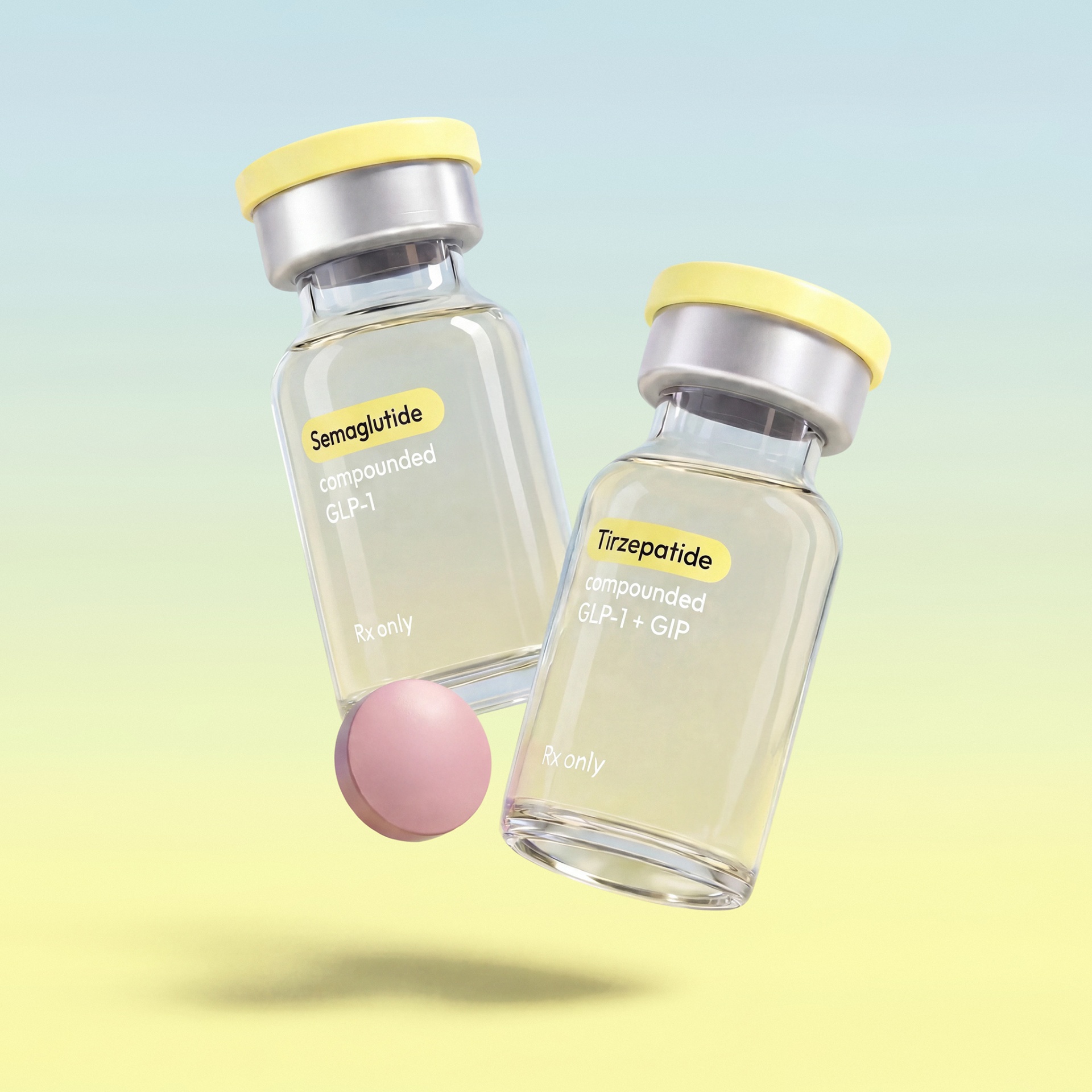
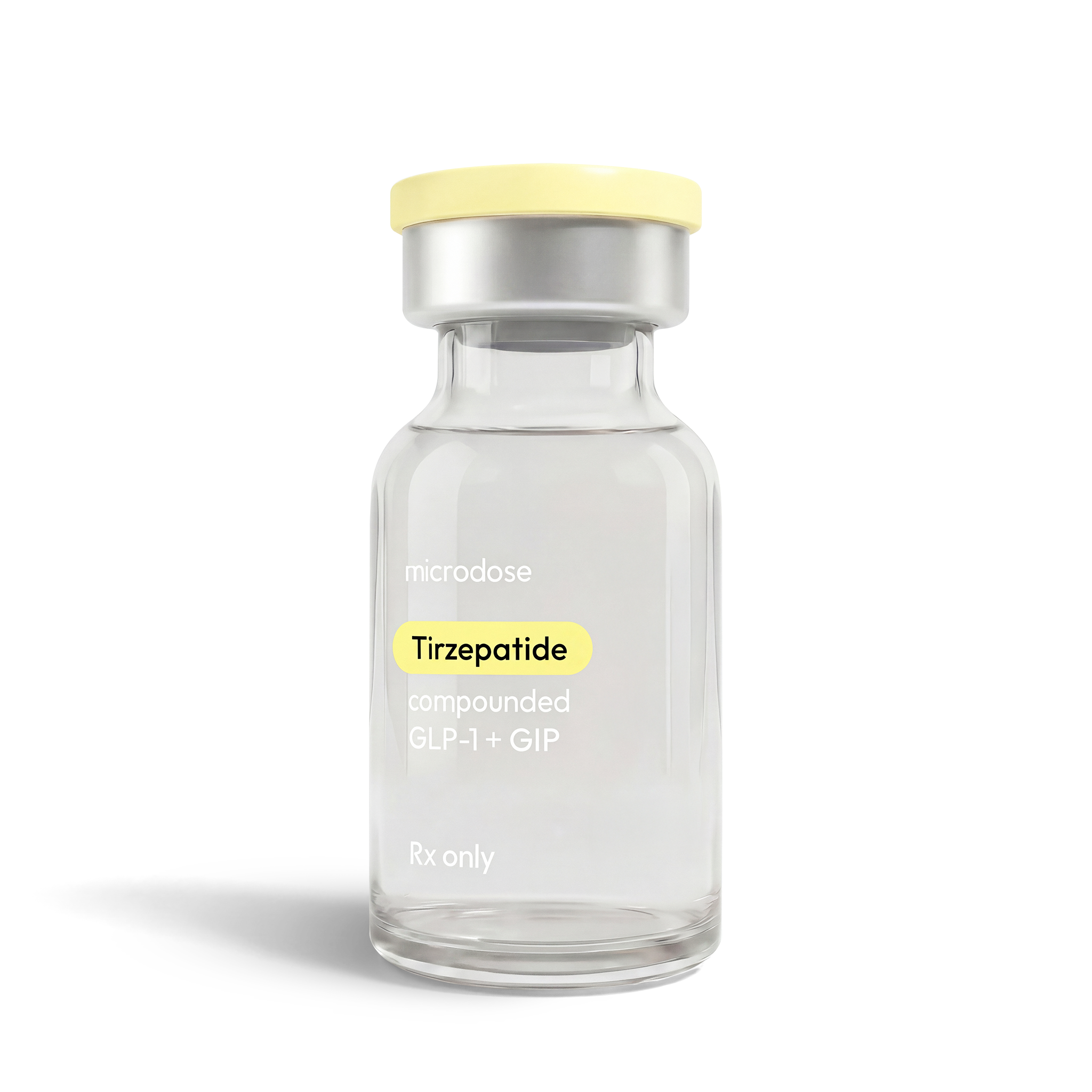
Compounded medication. Semaglutide is currently available at $89 per month. Tirzepatide is currently available at $139 per month. Both are prepared by state-licensed 503A compounding pharmacies sourcing active pharmaceutical ingredients from FDA-registered manufacturers.
Shipping. Included in your membership price. There are no per-shipment charges.
Ongoing clinical oversight. Your clinician stays involved as your protocol progresses. Dose titration decisions are made based on how you're actually responding, not on a fixed schedule that ignores individual variation.
Unlimited care team access. Questions about side effects, missed doses, or how your protocol is going are answered by the Lttl care team: not routed to a FAQ page or an automated chat. This access is included in your membership, not billed per interaction.
Dose adjustment support. If your dose needs to change, that's a clinical decision made with your care team. There are no additional charges when your dose is adjusted, and your membership price doesn't change as your dose increases.
Compounded semaglutide and tirzepatide are not FDA-approved medications and have not been independently evaluated by the FDA for safety, efficacy, or quality. Lttl discloses this plainly because patients deserve to know it.
Questions to Ask Before Choosing a Provider
Not all telehealth GLP-1 programs are structured the same way. Before committing to any provider, the following questions will help you understand what you're actually signing up for:
What is the total monthly cost, including all fees? Ask specifically whether the quoted price includes medication, shipping, clinician consultations, and dose adjustments ... or whether any of those are billed separately.
Who reviews my case and prescribes my medication? A legitimate program involves a licensed clinician reviewing your health history individually. If no clinician is identified anywhere in the process, that should be a red flag.
Which pharmacy prepares the medication? Ask whether it's a 503A or 503B pharmacy, whether the pharmacy is licensed in your state, and whether a Certificate of Analysis is available for each batch.
What happens if my dose needs to change? Some providers charge additional fees for dose adjustments or require a new consultation. Ask before you start.
How do I access the care team between scheduled check-ins? Understanding whether support is unlimited, capped, or billed separately tells you a lot about how the program is actually structured.
Are there cancellation fees or minimum commitment periods? Some subscription-based programs have terms that affect what it costs to stop.
What medication will I receive, and what does it contain? Ask for the active ingredient, concentration, and formulation. If a provider can't answer those questions clearly, that's a signal worth taking seriously.
Frequently Asked Questions
How Much Do GLP-1 Medications Cost Without Insurance?
Brand-name semaglutide (Wegovy) lists at approximately $1,350 per month and tirzepatide (Zepbound) at approximately $1,060 per month without insurance coverage. Through Lttl, compounded semaglutide is currently available at $89 per month and compounded tirzepatide at $139 per month. Compounded versions are not FDA-approved and have not been independently evaluated by the FDA, but are prepared by licensed 503A compounding pharmacies sourcing active pharmaceutical ingredients from FDA-registered manufacturers.
Does Insurance Cover GLP-1 Medications for Weight Loss?
Coverage depends on your specific plan. Many insurance plans, including employer-sponsored plans, exclude GLP-1 medications for weight management from their formularies: even when those medications have FDA approval for that indication. Coverage for diabetes indications is more common but still varies. Prior authorization is typically required regardless. Checking directly with your insurer before starting a program is the most reliable way to understand your actual out-of-pocket cost.
Can I Use an HSA or FSA to Pay for GLP-1 Medications?
GLP-1 medications prescribed for a qualifying medical condition are generally eligible for HSA and FSA reimbursement as a medical expense. Eligibility depends on how the expense is categorized and your specific plan's rules. Consulting your HSA/FSA administrator before making payments is the most reliable way to confirm eligibility for your situation.
What Happens to My Cost if I Need a Higher Dose?
At Lttl, your membership price doesn't change when your dose increases. Dose adjustments are a normal part of GLP-1 treatment. Most protocols involve gradual titration over months, and those adjustments are managed by your clinician as part of your membership, not billed as separate consultations or services.
Is GLP-1 Therapy a Long-Term Cost Commitment?
Most clinical evidence treats GLP-1 therapy as a long-term commitment rather than a short course. Research consistently shows that patients who discontinue GLP-1 medications tend to regain weight as appetite and food noise return. That doesn't mean treatment is indefinite for everyone, but it does mean that planning for ongoing cost, rather than treating it as a temporary expense, tends to produce more realistic expectations. What that looks like over time is a conversation worth having with your clinician when you start.
Bibliography
- Wilding, J. P. H., Batterham, R. L., Calanna, S., Davies, M., Van Gaal, L. F., Lingvay, I., McGowan, B. M., Rosenstock, J., Tran, M. T. D., Wadden, T. A., Wharton, S., Yokote, K., Zeuthen, N., & Kushner, R. F. (2021). Once-weekly semaglutide in adults with overweight or obesity. New England Journal of Medicine, 384(11), 989-1002. https://www.nejm.org/doi/full/10.1056/NEJMoa2032183
- Jastreboff, A. M., Aronne, L. J., Ahmad, N. N., Wharton, S., Connery, L., Alves, B., Kiyosue, A., Zhang, S., Liu, B., Bunck, M. C., & Stefanski, A. (2022). Tirzepatide once weekly for the treatment of obesity. New England Journal of Medicine, 387(3), 205-216. https://www.nejm.org/doi/full/10.1056/NEJMoa2206038
- Novo Nordisk. (2026). Wegovy (semaglutide) injection and tablets: Full prescribing information (Revised March 2026). U.S. Food and Drug Administration. https://www.accessdata.fda.gov/drugsatfda_docs/label/2026/215256s029lbl.pdf
- Eli Lilly and Company. (2026). Zepbound (tirzepatide) injection, for subcutaneous use: Full prescribing information (Revised January 2026). U.S. Food and Drug Administration. https://www.accessdata.fda.gov/drugsatfda_docs/label/2026/217806s002lbl.pdf
- U.S. Food and Drug Administration. (2025). FDA's concerns with unapproved GLP-1 drugs used for weight loss. https://www.fda.gov/drugs/postmarket-drug-safety-information-patients-and-providers/fdas-concerns-unapproved-glp-1-drugs-used-weight-loss
- Centers for Medicare & Medicaid Services. (2026). Information for Part D plans: Medicare GLP-1 Bridge. https://www.cms.gov/medicare/coverage/prescription-drug-coverage/medicare-glp-1-bridge/information-part-d-plans



.svg)

.svg)